

Finding the best ice bath for your home means understanding what cold water immersion can and cannot do, what equipment actually matters, and how different setups fit different routines. I grew up plunging into Lake Saimaa after sauna in Eastern Finland, where cold water follows heat as naturally as exhaling follows inhaling. No equipment, no temperature controller, just water cold enough to take your breath. That experience taught me that the best ice bath is the one you'll use consistently, not the one with the most features. This guide covers what research shows, what remains uncertain, and how to choose a setup that fits your home, your budget, and your actual routine.
Why People Want an Ice Bath
Cold water immersion gained attention in athletic circles decades before it became a wellness trend. Coaches used ice baths to manage post-exercise soreness and speed recovery between training sessions. The practice moved from locker rooms to home gyms, then to backyards and outdoor wellness spaces as more people sought recovery tools outside clinical settings.
A 2024 systematic review examined cold-water immersion across wellbeing, mood, sleep, immunity, and recovery. The authors found associations between regular cold exposure and improvements in subjective wellbeing and mood. Evidence for sleep and immune function remained less clear. The review noted heterogeneity in protocols, making direct comparisons difficult.
What Cold Water Does to the Body
Immersion in cold water triggers vasoconstriction, reduces tissue temperature, and slows metabolic activity in muscles. These physiological responses underlie the proposed benefits for exercise recovery. Blood vessels constrict, reducing swelling and metabolic demand in cooled tissues. When you exit the cold water, vessels dilate, increasing blood flow.
The autonomic nervous system responds to cold stress with a shift toward sympathetic activation. Heart rate increases, breathing quickens, and stress hormones rise. Repeated exposure may train the body to manage acute stress more efficiently. That's the hypothesis. What remains uncertain is how much adaptation occurs, how long it lasts, and whether it transfers to other stressors.
Types of Ice Baths and Cold Plunge Setups
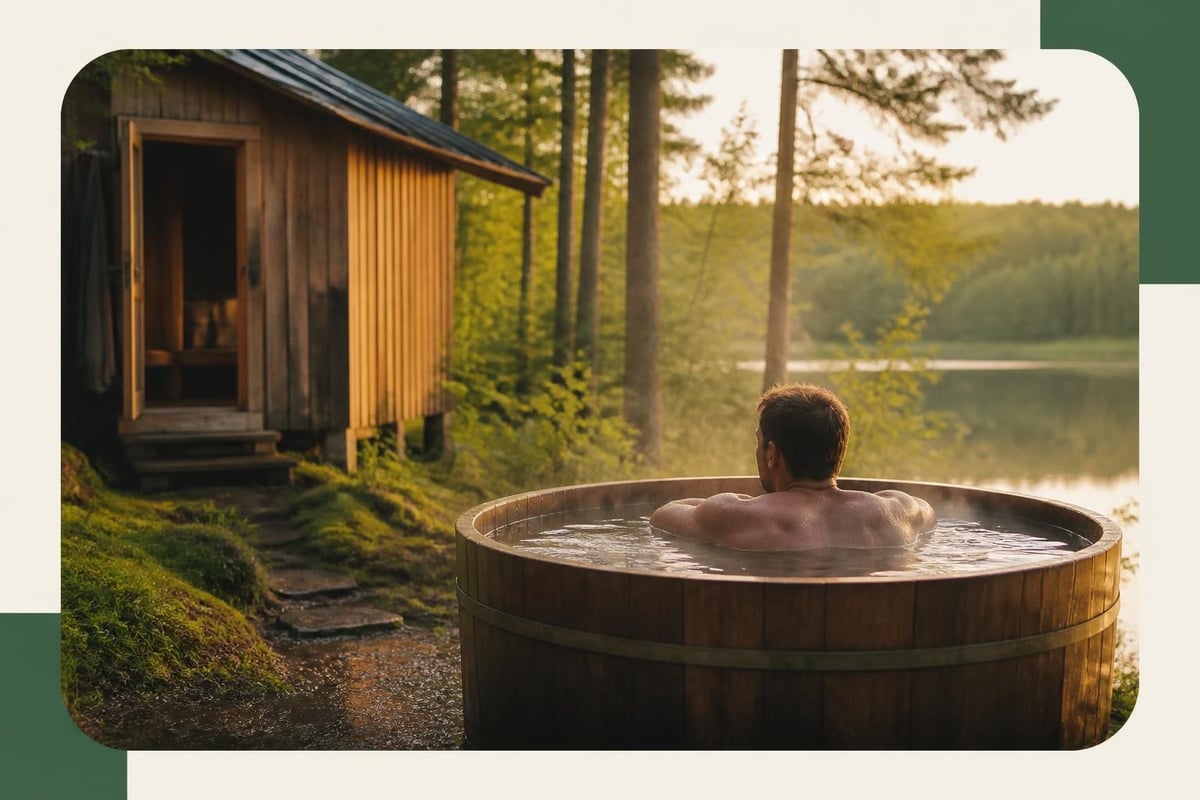
The best ice bath for one person may not suit another. The right choice depends on available space, budget, climate, and how often you'll use it. Here are the main categories.
Dedicated Cold Plunge Tubs
Premium chiller-equipped plunges include built-in filtration, temperature control, and insulation. They maintain a set temperature without adding ice, offer year-round consistency, and require minimal daily effort. The LeisureCraft Flow Cold Plunge, for example, ships fully assembled with stainless steel interior and integrated chiller compartment. These units cost more upfront but eliminate the recurring expense and logistics of ice.
If you want reliable cold exposure year-round and don't mind the initial investment, chiller-equipped plunges offer convenience and consistency. They work well in climates with warm summers or for users who value precise temperature control. Ejenti Outdoor's durable outdoor solutions provide complementary infrastructure for creating integrated wellness spaces where cold plunges can be installed alongside saunas and recovery areas.
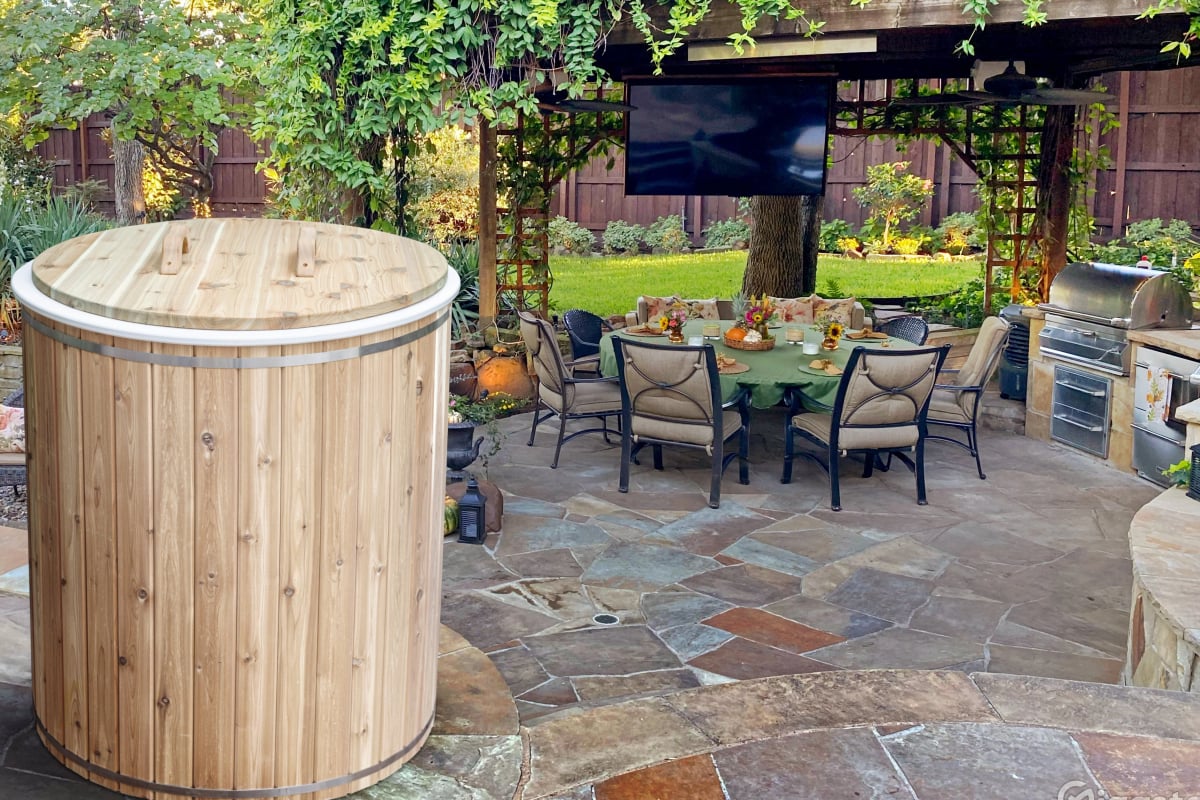
Traditional cedar tubs use natural wood construction with HDPE or stainless steel liners. These tubs rely on ice or external chillers to cool the water. The LeisureCraft Baltic Plunge Tub holds 132 gallons, enough for full-body immersion, and uses Eastern White Cedar for durability and aesthetic appeal. You add ice daily or connect a standalone chiller unit.
Cedar tubs cost less than integrated chiller models but require more hands-on management. If you already have access to affordable ice or live in a cold climate where ambient temperature keeps water cool, a traditional tub may be the best ice bath choice. They also blend well into backyard designs next to outdoor saunas.
| Plunge Type | Temperature Control | Maintenance | Upfront Cost | Best For |
|---|---|---|---|---|
| Chiller-equipped | Automatic, precise | Low (filtration) | High | Year-round, warm climates |
| Cedar tub + ice | Manual, variable | Medium (ice, cleaning) | Medium | Cold climates, budget-conscious |
| Stock tank + ice | Manual, variable | Medium (ice, cleaning) | Low | Occasional use, space-limited |
| DIY chest freezer | Manual, requires setup | High (wiring, safety) | Low | Experimental, handy users |
Cold plunges installed near your sauna complete the traditional Finnish contrast therapy cycle. A plunge into cold water follows heat just as it has for two thousand years.
Stock Tanks and Galvanized Tubs
Galvanized stock tanks, originally designed for livestock watering, became popular as low-cost cold plunge vessels. A 100 to 300-gallon tank costs a fraction of a dedicated plunge and fits in most yards or garages. You fill it with a hose, add ice, and drain it when finished.
Advantages:
- Low upfront cost
- Widely available at farm supply stores
- Durable galvanized steel construction
- Easy to move or store
Limitations:
- No insulation, so ice melts quickly in warm weather
- No filtration, requiring frequent water changes
- Sharp edges and utilitarian appearance
- No built-in seating or steps
Stock tanks work well for occasional use or as a test before committing to a permanent setup. If you're unsure whether cold immersion will become a regular habit, a stock tank offers a low-risk entry point. Add a submersible pump and hose for easy draining.
DIY Chest Freezer Conversions
Some users convert chest freezers into ice baths by adding a temperature controller and GFCI protection. The freezer's insulation keeps water cold without ice, and the compressor cools water to a set temperature. This approach requires electrical skills, careful waterproofing, and attention to safety.
Key considerations:
- Freezers are not designed for water immersion
- Risk of electrical shock if not properly grounded and protected
- Limited depth and awkward entry/exit
- Voiding manufacturer warranty
This option appeals to experimenters and those comfortable with electrical modifications. It's not the best ice bath for most users due to safety concerns and practicality. If you choose this route, consult a licensed electrician and install GFCI protection on dedicated circuits.
What Research Shows About Ice Bath Protocols
The best ice bath is only effective if you use the right protocol. Temperature, duration, and timing all matter. A recent network meta-analysis evaluated cold-water immersion across different exercise modalities, comparing protocols for temperature, duration, and timing relative to exercise.
Temperature and Duration
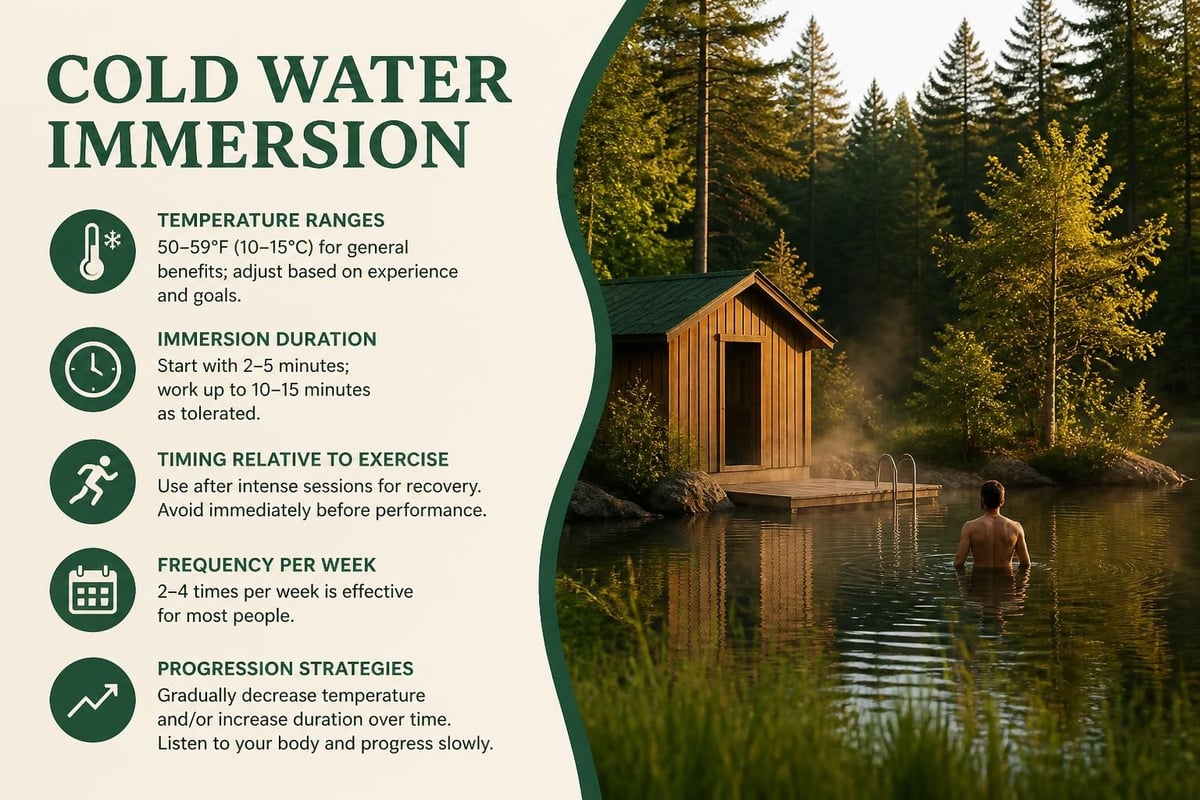
Most research uses water temperatures between 50°F and 59°F (10°C to 15°C) for 10 to 15 minutes. Colder water shortens the effective immersion time. Warmer water requires longer exposure. The goal is to lower tissue temperature without causing harm.
Below 50°F, the risk of cold shock and hypothermia increases, especially for beginners. Above 60°F, the physiological effect diminishes. Harvard Health Publishing notes that safety considerations become critical at temperature extremes. Start warmer and shorter, then adjust based on tolerance and response.
Practical starting protocol:
- Water temperature: 55°F to 59°F (13°C to 15°C)
- Duration: 5 to 10 minutes
- Frequency: 2 to 4 times per week after exercise or sauna
Green Spa's professional cosmetics for spas and wellness centers include post-immersion skin care products designed to support recovery routines, showing how cold therapy integrates into broader wellness practices.
Timing Relative to Exercise
Immediate post-exercise immersion (within 30 minutes) appears most effective for reducing muscle soreness. Delayed immersion (several hours later) shows weaker associations with recovery markers. However, some evidence suggests that cold water immediately after resistance training may blunt muscle growth adaptations.
If your goal is hypertrophy, consider delaying cold immersion by several hours or using it on non-training days. If your goal is managing soreness or preparing for the next session, immediate immersion makes sense. The NATA resources on exertional heat illness highlight cold-water immersion as the gold standard for rapid cooling in athletic emergencies, demonstrating the power of cold water when applied correctly.
Safety and Contraindications
The best ice bath is a safe one. Cold water immersion carries risks that intensify with colder temperatures, longer durations, and certain medical conditions.
Who Should Avoid Ice Baths
Cold water immersion is not appropriate for everyone. The 2025 IFRC International First Aid Guidelines outline contraindications and first-aid protocols for cold exposure.
Conditions requiring caution or avoidance:
- Cardiovascular disease, arrhythmias, or uncontrolled hypertension
- Raynaud's disease or cold urticaria
- Open wounds or skin infections
- Pregnancy (consult a physician first)
- Neuropathy or impaired sensation
Cold water causes rapid heart rate and blood pressure increases. Anyone with cardiovascular concerns should speak with a physician before starting cold immersion. Sudden immersion can trigger dangerous arrhythmias in susceptible individuals.
Cold Shock and Hypothermia
Cold shock occurs in the first minute of immersion. Breathing becomes rapid and difficult to control, heart rate spikes, and panic can set in. This response fades with repeated exposure but never disappears entirely. Enter the water slowly, control your breathing, and avoid submerging your head initially.
Hypothermia develops when core body temperature drops below 95°F (35°C). Shivering, confusion, and loss of coordination are early signs. If you feel excessively cold, exit immediately, dry off, and warm up gradually. Never ignore persistent shivering or mental fog.
Comparing Ice Baths to Other Recovery Methods
Ice baths are one tool among many for recovery. Contrast therapy, active recovery, compression, and sleep all play roles. Understanding where cold water fits helps you build a balanced routine.
Ice Baths vs. Contrast Therapy
Contrast therapy alternates between hot and cold exposure. In Finland, we move from sauna heat to cold water and back. This cycle increases circulation more dramatically than cold alone. Sauna for recovery explores how heat enhances recovery through vasodilation, reduced muscle tension, and improved circulation.
Contrast therapy may offer benefits beyond either modality alone, though research remains mixed. The subjective experience is distinct. Many users report feeling more energized and less stiff after contrast sessions compared to cold or heat alone.
Ice Baths vs. Active Recovery
Active recovery (light exercise, stretching, movement) promotes blood flow without the stress of cold immersion. It's accessible, free, and carries minimal risk. Some research suggests active recovery matches or exceeds ice baths for certain recovery markers.
The best approach may combine both. Use ice baths after intense sessions or when soreness is high. Use active recovery on lighter days or when you want movement without additional stress.
Ice Baths vs. Compression and Sleep
Compression garments and pneumatic compression devices improve circulation and reduce swelling. Sleep remains the most powerful recovery tool available, influencing hormone balance, tissue repair, and cognitive function.
No amount of cold water replaces adequate sleep. If you're choosing between an extra hour of sleep and a morning ice bath, choose sleep. Use cold immersion as a complement, not a substitute.
Choosing the Best Ice Bath for Your Home
Your decision depends on space, climate, budget, and how cold exposure fits into your routine. Here's how to narrow your options.
Space and Installation
Outdoor setups work well in temperate climates and provide natural integration with saunas and gardens. Dedicated plunges require level ground, drainage access, and sometimes electrical hookups for chillers and filtration. Cedar tubs and stock tanks need less infrastructure but still require outdoor space and drainage.
Indoor setups suit cold climates, basements, or garages. They protect equipment from weather and keep water cold naturally in winter. Indoor installations need waterproof flooring, ventilation, and drainage planning. Chest freezer conversions fit tight spaces but sacrifice comfort and safety.
If you have a backyard sauna, placing a cold plunge nearby completes the contrast therapy cycle. The transition from hot to cold becomes seamless, encouraging regular use.
Budget and Long-Term Costs
Budget includes both upfront equipment costs and ongoing expenses like ice, electricity, water, and maintenance.
| Setup Type | Upfront Cost | Ice Costs (per use) | Energy Costs | Maintenance |
|---|---|---|---|---|
| Chiller plunge | $4,000–$10,000+ | $0 | Moderate (chiller) | Low (filtration) |
| Cedar tub | $1,500–$4,000 | $5–$15 | Low | Medium (ice, cleaning) |
| Stock tank | $200–$600 | $5–$15 | None | Medium (ice, cleaning) |
| DIY freezer | $300–$800 | $0 | Low to moderate | High (DIY upkeep) |
If you use a cold plunge daily, ice costs add up quickly. A 100-gallon tub may require 40 to 60 pounds of ice to reach 55°F on a warm day. At $3 per 20-pound bag, that's $6 to $9 per session, or $180 to $270 per month. A chiller plunge eliminates that recurring cost, paying for itself over time if you use it regularly.
Climate Considerations
Cold climates (winters below freezing) allow outdoor cold plunges to run without chillers or ice for much of the year. Insulated tubs maintain cold water naturally. Heated garages or basements provide year-round access without weatherproofing.
Warm climates (summers above 80°F) require chillers or large amounts of ice to keep water cold. Outdoor tubs without insulation lose their chill quickly. Chiller-equipped plunges become more practical in hot regions.
Frequency of Use
If you plan to use cold water daily, invest in convenience and consistency. Chiller plunges or insulated tubs reduce friction and make adherence easier. If you'll use it occasionally or experimentally, a stock tank or DIY setup offers a low-commitment start.
The best ice bath is the one you'll actually use three times a week, not the one that sits unused because it's too much hassle.
What the Current Evidence Shows
AP News coverage of the cold-water immersion trend highlights both growing popularity and scientific debate. Researchers agree that cold water triggers measurable physiological changes. What remains uncertain is how much those changes improve real-world outcomes like athletic performance, long-term health, or mental resilience.
Associations vs. Proof
Most studies show associations, not causation. People who use ice baths regularly may also sleep better, train smarter, and manage stress more effectively. Isolating the effect of cold water from other healthy behaviors is difficult.
Small sample sizes, inconsistent protocols, and short study durations limit strong conclusions. Some benefits appear robust (reduced muscle soreness post-exercise), while others remain speculative (improved immune function, enhanced mood over months).
Individual Variation
Responses to cold water vary widely. Some people feel energized and recover faster. Others feel drained or experience prolonged shivering. Genetics, acclimatization, body composition, and psychological factors all influence outcomes.
Start conservatively, track your response, and adjust based on how you feel and perform. If cold water leaves you fatigued or disrupts sleep, reduce frequency or duration. If it helps you feel better and train harder, keep using it.
Integrating Ice Baths into a Recovery Routine
Cold water works best as part of a broader recovery strategy, not as a standalone solution. Combine it with heat, movement, nutrition, and sleep for the most comprehensive approach.
Pairing with Sauna
Finns have practiced heat and cold contrast for two thousand years. The cycle begins with a hot sauna, raising core temperature, increasing circulation, and relaxing muscles. Then comes the plunge into cold water, constricting vessels, reducing inflammation, and sharpening focus. Returning to the sauna completes the cycle.
This tradition long predated modern research, yet the physiological logic holds. Heat opens, cold closes, and the oscillation trains your vascular system and autonomic nervous system. Many users report that the combination feels more restorative than either modality alone.
ANR media's custom home cinema and audio video solutions demonstrate how integrated wellness spaces can incorporate entertainment and relaxation alongside physical recovery, creating environments that support multiple dimensions of wellbeing.
Building Consistency
Consistency matters more than intensity. Three 10-minute sessions per week at 55°F will likely produce better long-term results than one heroic 20-minute plunge at 45°F followed by two weeks off.
Strategies for consistency:
- Schedule cold plunges at the same time each day
- Pair them with existing habits (post-workout, after sauna)
- Track sessions and subjective recovery in a journal
- Start with manageable temperatures and durations
- Adjust based on how you feel, not how tough you think you should be
If adding ice or managing a tub feels like a burden, you'll skip sessions. Remove friction wherever possible.
The best ice bath is the one that fits your space, budget, and routine well enough that you use it consistently. Research shows associations between cold water immersion and improved recovery markers, but individual response varies and many questions remain unanswered. Start with conservative protocols, prioritize safety, and adjust based on your own experience. If you're ready to build a complete contrast therapy setup at home, RecoSauna pairs premium outdoor saunas with cold plunge options designed for North American climates. Petri answers every question personally, drawing on a lifetime of Finnish sauna and cold water practice.
Share:
Hot Sauna: Temperature, Safety & Health Effects in 2026
Sauna Space Design: Planning Your Home Sauna Room