
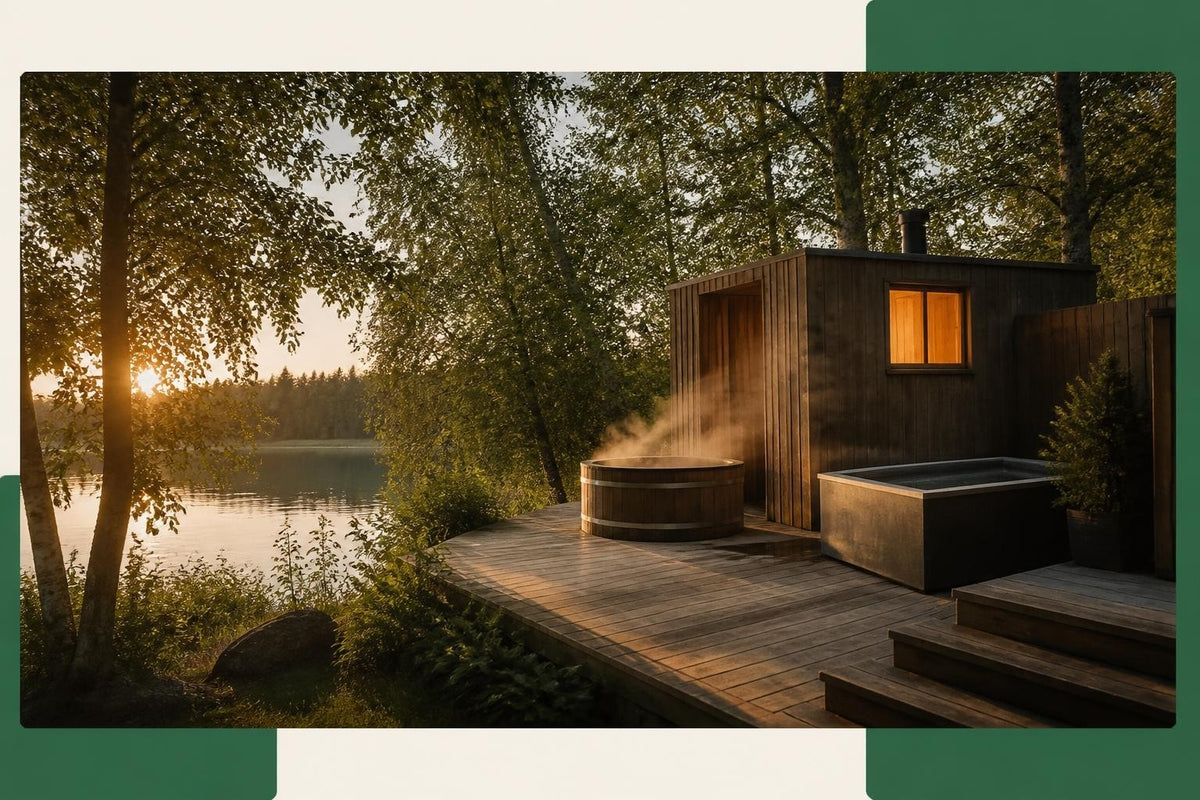
An athlete recovery room combines heat, cold, and therapeutic tools in one dedicated space. Professional teams and serious home trainers use these rooms to support muscle repair, manage soreness, and maintain consistent training loads. The question is which modalities deliver meaningful benefit and how to configure them in a home setting without overbuilding or wasting square footage.
What Belongs in an Athlete Recovery Room
The core of any athlete recovery room is contrast therapy: alternating heat and cold exposure. This practice predates modern sports science by thousands of years. Finns moved from steam sauna to lake water as part of daily life, not just athletic recovery.
Heat exposure through sauna raises core temperature and increases blood flow. Cold exposure through plunge or ice bath constricts vessels and reduces inflammation markers. Together they create a循環 cycle that research associates with faster subjective recovery and reduced muscle soreness.
Beyond heat and cold, recovery rooms often include:
- Compression therapy stations for pneumatic sleeves or boots
- Foam rolling and massage areas with therapy balls, sticks, or vibration tools
- Stretching zones with mats, bands, or light mobility equipment
- Hydration stations for electrolyte drinks and plain water
- Quiet seating for mental recovery between modalities
A recent systematic review of physical recovery modalities in elite endurance athletes found that active recovery, cold water immersion, and massage showed the most consistent evidence for reducing soreness and perceived fatigue.
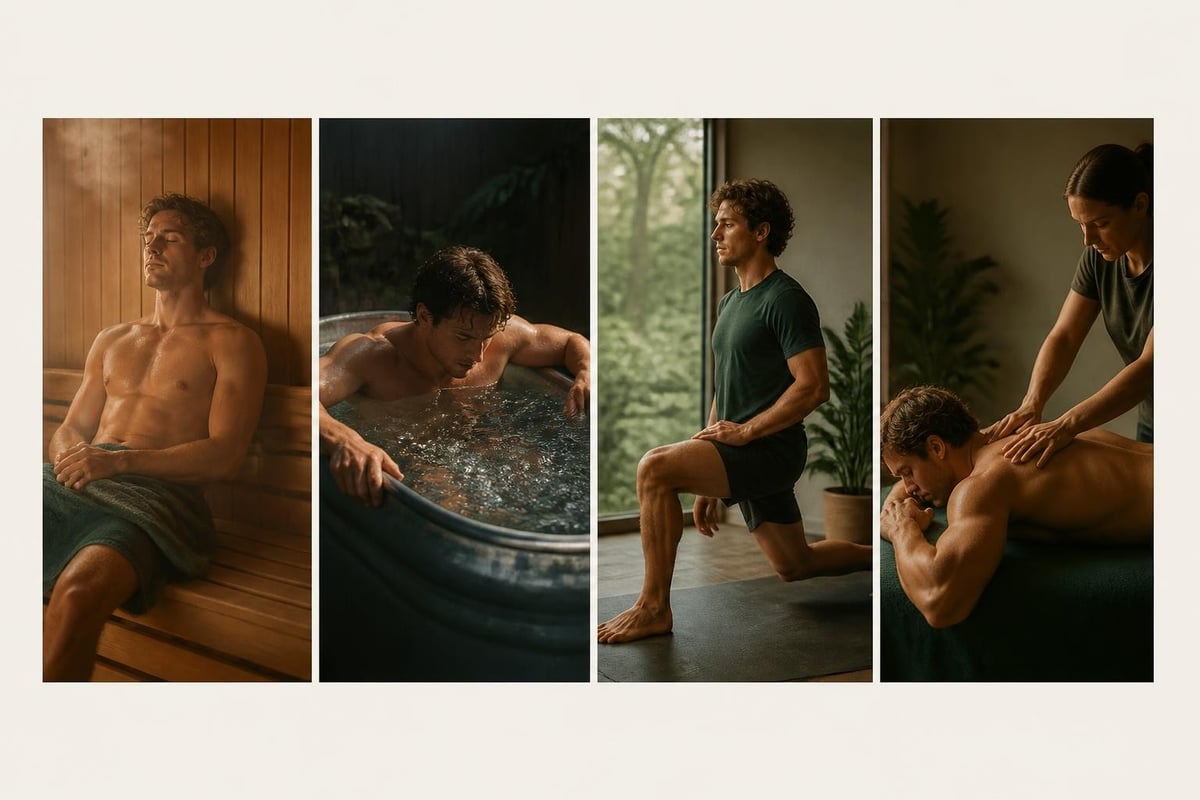
Heat Modality Comparison
| Modality | Session Time | Space Required | Recovery Benefit |
|---|---|---|---|
| Traditional Sauna | 15-20 min | 6x6 ft minimum | Cardiovascular conditioning, muscle relaxation |
| Infrared Sauna | 25-35 min | 4x4 ft minimum | Deep tissue warmth, joint comfort |
| Hot Tub | 15-20 min | 7x7 ft minimum | Hydrostatic pressure, buoyancy relief |
Traditional sauna reaches 170-195°F and creates löyly, the steam that rises when water meets hot stones. This sharp heat stress triggers deeper cardiovascular response than infrared. Infrared operates at 120-140°F and heats tissue directly through radiant energy. Both have roles. Athletes training twice daily often prefer traditional sauna for intensity. Those managing chronic joint issues lean toward infrared.
Cold Modality Comparison
| Modality | Temperature | Duration | Setup Complexity |
|---|---|---|---|
| Cold Plunge (Chilled) | 39-50°F | 3-10 min | Requires electrical chiller |
| Ice Bath (Manual) | 50-59°F | 10-15 min | Ice supply needed |
| Cold Shower | 55-65°F | 2-5 min | No special equipment |
Cold plunge tubs with built-in chillers maintain consistent temperature without ice management. Manual ice baths cost less upfront but require 40-60 pounds of ice per session. Cold showers provide convenience but less total body immersion. Studies comparing hydrotherapy and cryotherapy techniques for acute muscle damage show that full immersion at 50-59°F reduces soreness more reliably than partial cooling.
Many athletes who build a home sauna and cold plunge setup report better training consistency than when relying on gym access or commercial recovery centers.
Space Planning and Layout
An effective athlete recovery room fits in 120-180 square feet. Professional facilities dedicate more space, but home setups prioritize efficiency.
Minimum dimensions by room type:
- Sauna-only recovery room: 80-100 sq ft (includes changing area)
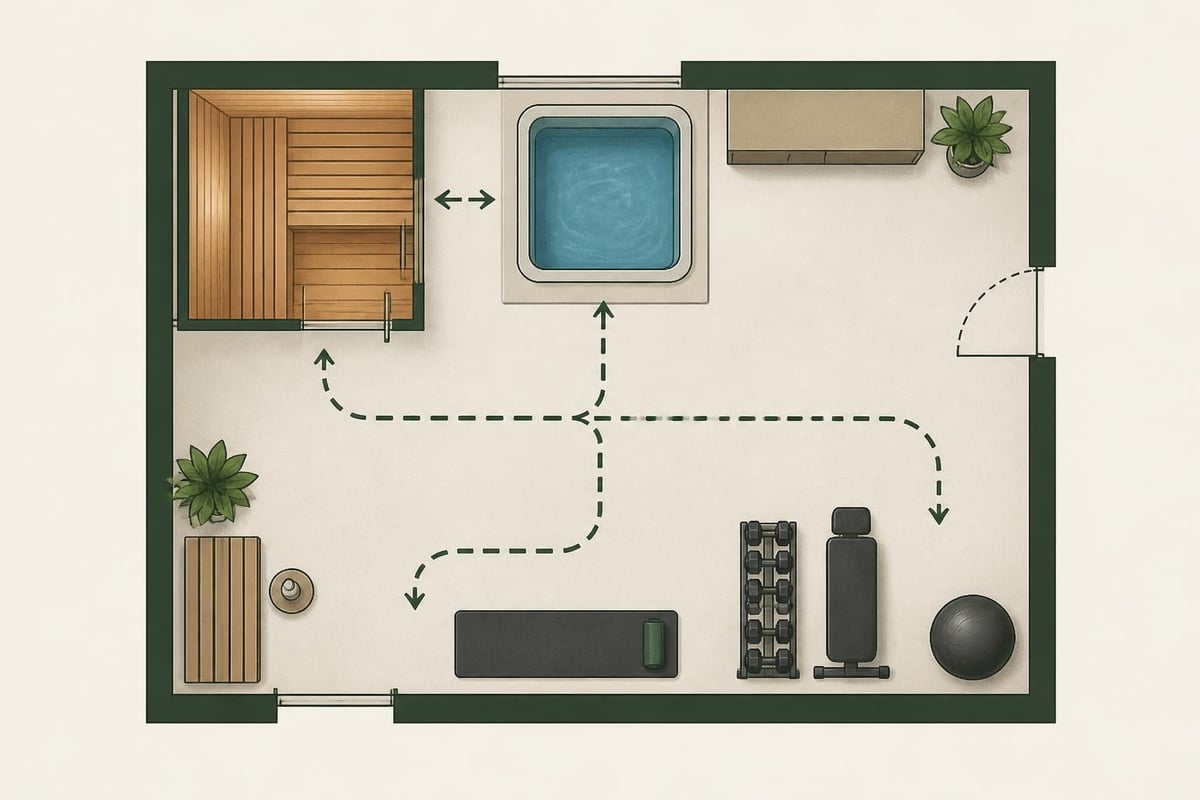
- Sauna plus cold plunge: 120-150 sq ft (includes safe transition zone)
- Full recovery suite: 180-220 sq ft (adds massage table, compression station)
Place cold exposure near an exterior door when possible. Winter months in colder climates add outdoor cold exposure as a practical option. I grew up on Lake Saimaa in eastern Finland where we cut holes in the ice and plunged after sauna. The shock was sharper than any commercial plunge I have used since. That practice builds tolerance that carries into training and competition.
Traffic Flow Considerations
Recovery room layout should move clockwise through modalities:
- Entry and hydration
- Heat exposure (sauna)
- Cool-down zone
- Cold exposure (plunge)
- Warm-up and rest area
- Compression or massage zone
This sequence prevents athletes from tracking water through the sauna or creating slip hazards near electrical equipment. Keep 36 inches of clearance around cold plunge equipment for safe entry and exit.
Equipment Selection Criteria
Quality matters more than quantity in athlete recovery rooms. Three well-chosen tools outperform six marginal ones.
Sauna Selection for Athletes
Traditional saunas deliver more intense heat stress in shorter sessions. This matters for athletes on tight training schedules. A 15-minute sauna session at 185°F creates similar cardiovascular demand to a 30-minute infrared session at 135°F.
Heater sizing:
- 1 kW per 45-50 cubic feet of sauna space
- Athletes prefer 6-8 kW heaters for faster warmup
- Stone mass of 40-60 pounds supports consistent löyly
Most quality saunas in North America use Harvia heaters manufactured in Finland. These units heat stone mass efficiently and tolerate daily use. Cheaper heaters cycle on and off frequently and produce uneven temperature.
The LeisureCraft Baltic Plunge Tub provides 132-gallon capacity for full-body cold immersion without the mechanical complexity of a chiller system. Many athletes add this beside their outdoor sauna and manage temperature with ice during peak training blocks, then use it as a cold soak during maintenance phases.
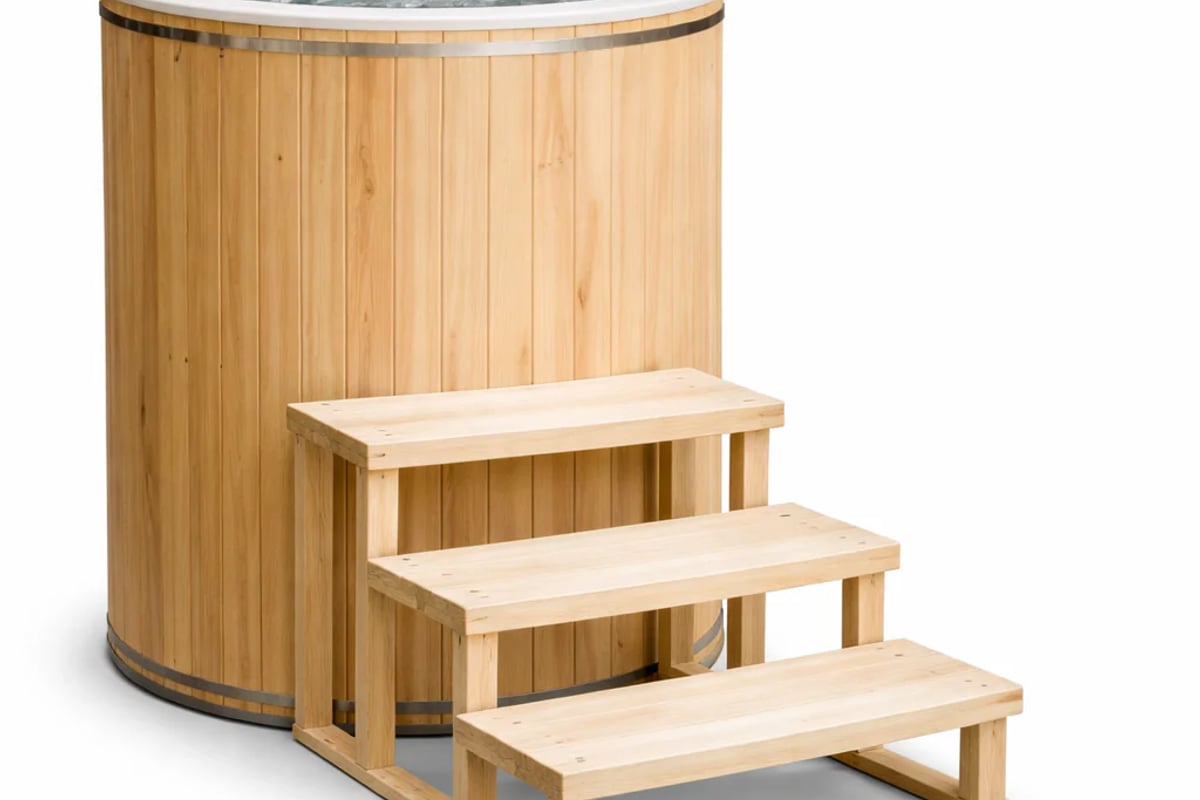
Cold Plunge Equipment
Chiller vs. ice comparison:
| Feature | Electric Chiller | Ice Management |
|---|---|---|
| Initial Cost | Higher | Lower |
| Operating Cost | $30-50/month | Variable |
| Temperature Control | Precise | Approximate |
| Daily Convenience | High | Moderate |
Athletes using cold exposure five or more times weekly benefit from chillers. Those in moderate climates or with irregular training cycles can manage with ice or natural cold water during cooler months.
A 2026 pilot study on mixed martial arts athletes compared cold water immersion, cryosauna, foam rolling, and passive recovery. Cold water immersion showed the most consistent reduction in perceived muscle soreness across weight classes and training intensities.
Recovery Tools and Accessories
Compression therapy:
- Pneumatic compression boots range from $500 to $2,000
- Sessions last 20-30 minutes
- Evidence shows benefit for perceived recovery, less clear for performance metrics
Massage equipment:
- Percussion massagers help localized tightness
- Foam rollers and therapy balls cost under $100 total
- Deep tissue massage therapy shows measured benefits for flexibility and delayed-onset muscle soreness in team sport athletes
Hydration and monitoring:
- Heart rate variability (HRV) monitors track recovery status
- Simple bathroom scale tracks daily weight for hydration assessment
- Electrolyte powder and clean water matter more than expensive supplements
Many athletes benefit from partnering with natural wellness products like magnesium creams for post-training muscle care between recovery room sessions.
Electrical and Plumbing Requirements
Home athlete recovery rooms need proper infrastructure. Shortcuts create safety issues and limit equipment options.
Sauna Electrical Specifications
- 4-6 kW heaters: 240V, 30-amp dedicated circuit
- 7-9 kW heaters: 240V, 40-50 amp dedicated circuit
- Heaters must connect to breaker panel, not household outlets
- Licensed electrician required in most jurisdictions
Cold Plunge Plumbing
Chiller-based systems need:
- GFCI-protected outlet within 6 feet
- Floor drain or sump pump for water changes
- Level surface (within 1/4 inch per 6 feet)
Manual plunge tubs need:
- Garden hose connection for filling
- Drain valve or pump for emptying
- Waterproof flooring with slight slope to drain
Outdoor installations in climates below freezing require winterization or heated equipment. I have drained and covered outdoor tubs each November since installing my first home sauna in northern Minnesota. Spring thaw brings the equipment back to use by April.
Building Codes and Safety
Most residential athlete recovery rooms fall under bathroom or spa regulations. Requirements vary by municipality but common rules include:
- GFCI protection for all outlets within 6 feet of water
- Ventilation of 6-8 air changes per hour in sauna spaces
- Slip-resistant flooring in wet areas
- Emergency shut-off accessible outside sauna
Sauna doors must open outward and never include locks. Tempered glass or safety-rated materials required for any sauna windows or doors. Cold plunge equipment needs adequate clearance for safe entry and exit, especially when water temperature affects coordination.
Recovery Room Protocols
Having equipment matters less than using it correctly. Professional teams run structured recovery protocols. Home athletes can adapt simplified versions.
Post-Training Contrast Protocol
- Active cooldown: 5-10 minutes light movement
- Hydrate: 16-20 oz water with electrolytes
- Sauna: 15 minutes at 175-185°F with water on stones every 3-4 minutes
- Cold plunge: 3-5 minutes at 50-59°F, full body immersion
- Repeat cycle 2-3 times if time allows
- Final warm-up: 10 minutes at room temperature
- Compression or massage: 20-30 minutes while rehydrating
Off-Day Recovery Protocol
- Infrared sauna: 30 minutes at 130-140°F for tissue relaxation
- Light stretching: 15 minutes with bands or bodyweight
- Foam rolling: 10-15 minutes targeting high-use areas
- Cold exposure: Optional 2-3 minute cold shower
An umbrella review of recovery strategies in endurance athletes found that sleep, nutrition, and hydration remain more important than any recovery modality. Equipment supports recovery but does not replace fundamentals.
Athletes training seriously enough to build home recovery rooms often benefit from structured training environments like those at Strive Soccer Academy, where recovery protocols integrate with technical and tactical development.
Cost Breakdown
Building an athlete recovery room requires realistic budgeting. Quality equipment lasts 10-15 years with proper maintenance.
Budget Tiers
Entry level ($5,000-8,000):
- 2-person infrared sauna
- Manual cold plunge or chest freezer conversion
- Basic foam rolling equipment
- Room preparation (flooring, ventilation, electrical)
Mid-range ($12,000-18,000):
- 4-person traditional outdoor sauna
- Cold plunge tub with manual ice management
- Compression boots
- Dedicated room buildout with proper drainage
Premium ($25,000-40,000):
- Traditional barrel or cabin sauna with quality heater and stone mass
- Chiller-equipped cold plunge system
- Full recovery suite with massage table, percussion tools, monitoring equipment
- Professional electrical and plumbing installation
Most serious home athletes spend in the mid-range category. The equipment serves multiple family members and holds value if maintained properly.
Maintenance Requirements
Recovery equipment needs regular attention. Neglect shortens lifespan and creates safety hazards.
Weekly maintenance tasks:
- Test GFCI outlets and emergency shut-offs
- Check cold plunge water chemistry (if using chiller)
- Wipe down sauna benches and backrests
- Empty water buckets and clean ladles
- Inspect compression equipment for leaks or damage
Monthly tasks:
- Deep clean sauna interior with soft brush and water
- Change or clean cold plunge filters
- Lubricate door hinges and latches
- Test sauna heater stones for cracks or deterioration
- Verify ventilation systems operate properly
Annual tasks:
- Professional inspection of electrical connections
- Replace worn sauna stones
- Drain and deep clean cold plunge system
- Reseal outdoor sauna (if applicable)
- Update recovery protocols based on training changes
Equipment from established manufacturers requires less frequent repair. Cheaper alternatives often need replacement parts within 2-3 years.
Frequently Asked Questions
How much space do I need for a basic athlete recovery room?
A functional sauna and cold plunge setup requires 120-150 square feet. This includes safe transition zones between heat and cold. Basement corners, garage spaces, and backyard areas all work if properly prepared.
Can I use a regular bathroom for recovery equipment?
Bathrooms work for infrared saunas and small cold plunge tubs if ventilation and electrical capacity meet requirements. Traditional saunas need dedicated ventilation that most bathrooms lack. Check local building codes before installation.
How long does it take to see recovery benefits?
Research on recovery techniques after running shows measurable reductions in muscle soreness and inflammatory markers within 24-48 hours of cold water immersion. Consistent use over 4-6 weeks shows clearer patterns in training tolerance and perceived recovery.
Should I install recovery equipment indoors or outdoors?
Climate determines the answer. Outdoor traditional saunas work well in northern climates where winter cold adds contrast therapy naturally. Southern regions benefit from indoor setups with climate control. Cold plunge equipment functions outdoors year-round in moderate climates but needs winterization or indoor placement in freezing zones.
What recovery modality provides the most benefit per dollar?
Cold water immersion shows the strongest research support for reducing muscle damage markers and improving next-day performance readiness. A simple cold plunge tub or converted chest freezer costs $800-2,000 and delivers measurable benefit. Traditional sauna adds broader wellness benefits but requires larger investment in equipment and infrastructure.
An athlete recovery room works when it matches training demands and fits available space. The modalities that matter most are heat exposure through sauna, cold immersion, and basic massage or compression tools. Research supports their use but shows recovery fundamentals like sleep and nutrition remain more important than any equipment.
RecoSauna provides traditional and infrared saunas alongside cold plunge equipment built for daily athletic use. Every customer question reaches me directly because choosing recovery equipment requires understanding your training, your space, and your goals. Ask Petri About Your Sauna.
Share:
Home Spa: What to Build, Where to Start, and What to Skip
Backyard Spa Ideas: From Cold Plunge to Cabin Sauna