
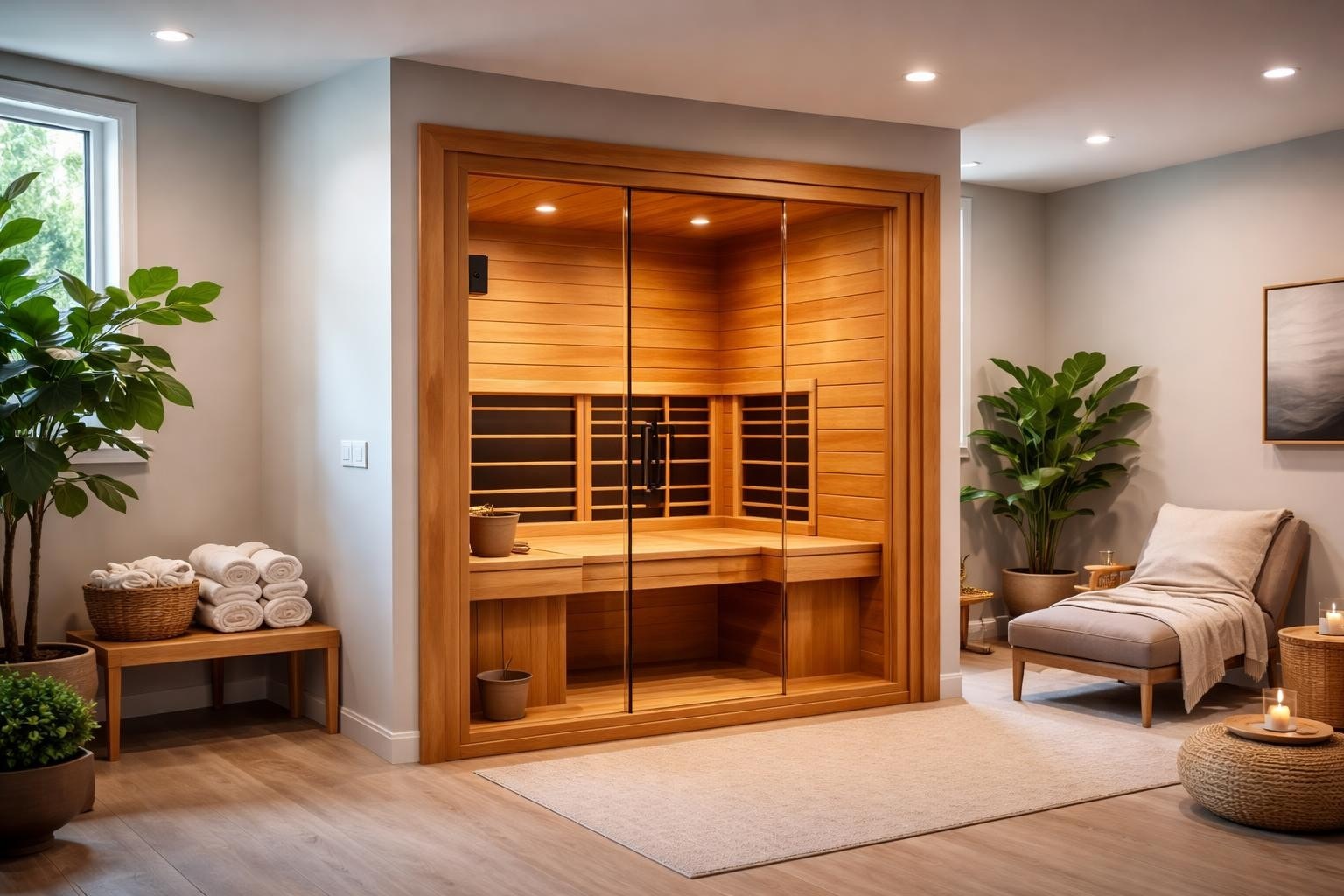
A built in infrared sauna represents the pinnacle of home wellness integration, combining therapeutic heat therapy with seamless architectural design. Unlike portable units that occupy floor space, a built in infrared sauna becomes a permanent fixture in your home, offering superior aesthetics, optimized space utilization, and enhanced property value. This comprehensive guide explores everything you need to know about designing, installing, and maintaining a custom infrared sauna installation that meets your wellness goals and home design requirements.
Understanding Built In Infrared Sauna Systems
A built in infrared sauna differs fundamentally from prefabricated models through its permanent integration into your home's structure. These custom installations require careful planning, professional expertise, and significant construction work to create a dedicated wellness space that functions efficiently for decades.
The infrared technology itself operates at lower temperatures than traditional Finnish saunas, typically ranging from 120°F to 150°F, making integration into residential spaces more practical from both safety and ventilation perspectives. Far-infrared wavelengths penetrate deeply into tissue, promoting detoxification, circulation improvement, and muscle recovery without the extreme heat traditional saunas require.
Key Components of Custom Infrared Installations
Every built in infrared sauna system includes several critical elements that must work together seamlessly:
- Infrared heating panels strategically positioned for even heat distribution
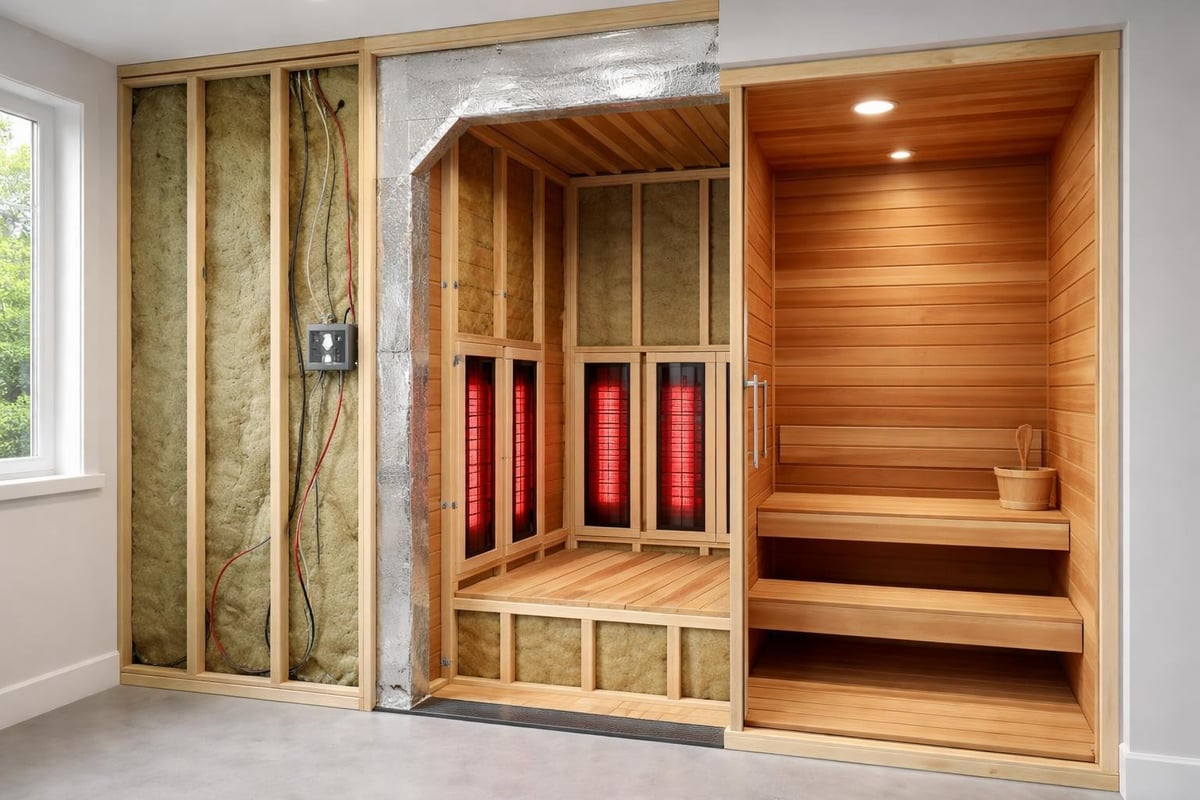
- Insulated wall and ceiling construction to maintain therapeutic temperatures
- Electrical infrastructure supporting dedicated circuits for heater operation
- Ventilation systems ensuring fresh air circulation and moisture control
- Control panels and sensors for temperature regulation and safety monitoring
- Appropriate wood materials resistant to heat, moisture, and warping
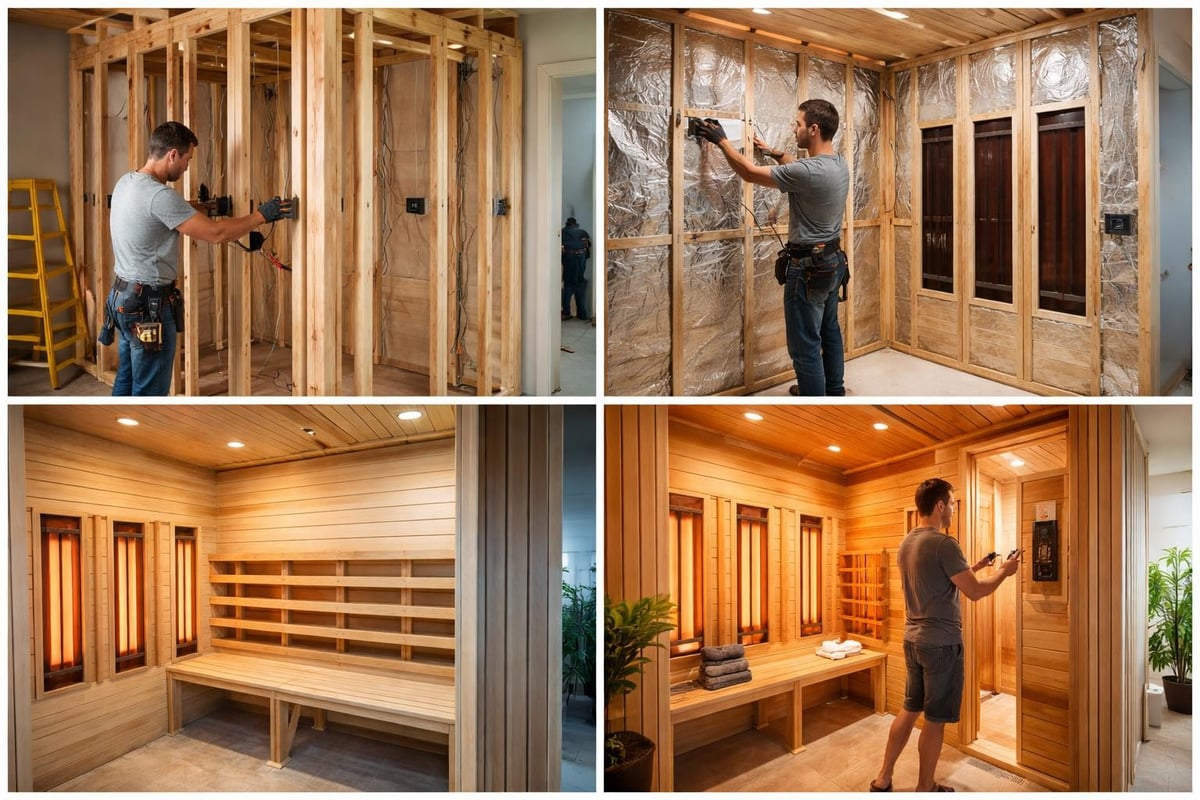
The construction process typically involves framing a dedicated space, installing proper insulation, mounting infrared emitters, adding interior wood paneling, and integrating electrical and ventilation systems. Professional contractors familiar with sauna construction ensure code compliance and optimal performance.
Design Considerations for Permanent Infrared Sauna Integration
Planning a built in infrared sauna requires balancing functional requirements with aesthetic preferences. The location you choose significantly impacts installation complexity, ongoing operational costs, and user satisfaction.
Basement installations offer natural temperature stability and easier moisture management, though proper waterproofing becomes essential. Master bathroom additions provide convenient access and existing ventilation infrastructure, making them popular choices for luxury home renovations. Spare bedroom conversions maximize underutilized space while creating dedicated wellness rooms that can accommodate larger custom designs.
Space Requirements and Dimensional Planning
| Sauna Capacity | Minimum Interior Size | Recommended Ceiling Height | Electrical Requirements |
|---|---|---|---|
| 1-2 Person | 4' × 4' | 6'6" | 20-amp dedicated circuit |
| 2-3 Person | 5' × 5' | 6'8" | 30-amp dedicated circuit |
| 3-4 Person | 6' × 6' | 7' | 40-amp dedicated circuit |
| 4+ Person | 7' × 8' | 7'2" | 50-amp dedicated circuit |
When determining dimensions for your built in infrared sauna, remember that larger spaces require more heating capacity and longer warmup times. Strategic bench placement maximizes usable space while maintaining proper distance from infrared emitters, typically 12 to 18 inches for optimal therapeutic benefit.
Door placement affects traffic flow and heat retention. Tempered glass doors provide visual openness and modern aesthetics, while solid wood doors offer superior insulation and traditional sauna character. Both options work effectively in permanent installations when properly sealed.
Material Selection for Long-Term Performance
Wood selection critically impacts your built in infrared sauna's durability, appearance, and therapeutic experience. Different species offer distinct advantages based on moisture resistance, aromatic properties, and heat tolerance.
Canadian Hemlock provides excellent dimensional stability, light coloring, and minimal resin content, making it ideal for infrared applications where lower temperatures reduce wood degradation risks. Its neutral scent appeals to users sensitive to strong wood aromas.
Red Cedar offers natural antimicrobial properties, beautiful grain patterns, and pleasant aromatic qualities. The wood's low density and cellular structure create excellent insulating characteristics, though its softer nature requires careful handling during installation.
Basswood delivers hypoallergenic properties with minimal odor, making it perfect for individuals with sensitivities. Its light color maintains brightness in enclosed spaces while providing smooth, splinter-resistant surfaces.
Construction Grade Specifications
- Wall paneling thickness: Minimum 3/4 inch tongue-and-groove boards
- Bench material: 2-inch thick planks for structural support
- Backing insulation: R-13 to R-19 fiberglass or mineral wool
- Vapor barrier: 6-mil polyethylene sheeting on warm side
- Floor base: Waterproof cement board or treated plywood
All wood materials should be kiln-dried to 8-12% moisture content before installation, preventing warping and cracking as the sauna undergoes repeated heating cycles. Proper acclimation in the installation environment for 48-72 hours before assembly ensures dimensional stability.
Installation Process and Professional Requirements
Installing a built in infrared sauna demands expertise across multiple construction disciplines. Most projects require coordinated efforts between general contractors, electricians, HVAC specialists, and finish carpenters to meet building codes and performance standards.
The installation timeline typically spans two to four weeks depending on space complexity, custom features, and contractor availability. Permit acquisition constitutes the first critical step, as most jurisdictions classify permanent sauna installations as significant home modifications requiring inspections.
Step-by-Step Installation Sequence
- Site preparation and demolition of existing structures if needed
- Rough framing with 2×4 or 2×6 studs on 16-inch centers
- Electrical rough-in including dedicated circuits and junction boxes
- Insulation installation between all wall studs and ceiling joists
- Vapor barrier application with carefully sealed seams
- Interior paneling starting from floor and working upward
- Infrared panel mounting according to manufacturer specifications
- Bench construction with proper support brackets and spacing
- Door installation with weatherstripping and magnetic closures
- Final electrical connections and control system integration
- Ventilation ducting connecting to existing HVAC or dedicated systems
- Testing and commissioning with temperature verification
Professional electricians ensure your built in infrared sauna receives appropriate power supply without overloading existing circuits. Most installations require 240-volt service similar to electric dryers or ranges, with wire gauge sized according to distance from the electrical panel.
Electrical and Ventilation Infrastructure
The electrical system powering your built in infrared sauna must handle sustained high-wattage loads safely while providing precise temperature control. Unlike traditional saunas that cycle on and off, infrared systems maintain continuous operation during sessions, requiring stable electrical infrastructure.
Heater wattage typically ranges from 1,500 watts for compact single-person units to 3,500 watts for spacious four-person installations. This electrical demand necessitates dedicated circuits that serve no other loads, preventing voltage drops and potential safety hazards.
Control systems for built in infrared saunas offer varying sophistication levels, from basic analog thermostats to sophisticated digital interfaces with programmable preheating, session timers, and smartphone connectivity. Premium controls integrate chromotherapy lighting, audio systems, and air quality monitoring for comprehensive wellness experiences.
Ventilation Design Best Practices
Proper air circulation prevents stuffiness, manages humidity, and maintains comfortable breathing conditions during extended sauna sessions. Effective ventilation systems balance fresh air intake with exhaust, creating gentle circulation without creating uncomfortable drafts.
- Intake vents positioned low on walls near the heater allow fresh air entry
- Exhaust vents placed high on opposite walls facilitate hot air removal
- Air exchange rates of 6-8 complete room volumes per hour optimize comfort
- Passive ventilation through adjustable vents requires no mechanical equipment
- Active systems using quiet fans provide consistent air quality in tight spaces
Many built in infrared sauna installations connect exhaust ducting to existing bathroom ventilation fans or dedicated roof vents, simplifying installation while meeting building codes. The lower operating temperatures compared to traditional saunas reduce ventilation demands, though adequate air exchange remains essential for user comfort.
Cost Analysis and Budget Planning
Financial investment in a built in infrared sauna varies considerably based on size, materials, features, and installation complexity. Understanding cost components helps establish realistic budgets and identify potential savings opportunities without compromising quality.
Materials expenses for a basic two-person built in infrared sauna typically range from $2,500 to $4,500, including framing lumber, insulation, wood paneling, infrared heaters, controls, door hardware, and benches. Premium wood species, curved wall designs, or extensive glass features increase material costs proportionally.
Labor charges constitute the largest variable, ranging from $3,000 for straightforward installations in prepared spaces to $12,000 for complex projects requiring structural modifications, electrical panel upgrades, or extensive ventilation work. Geographic location significantly affects contractor rates, with metropolitan areas commanding premium pricing.
Complete Cost Breakdown
| Cost Category | Budget Range | Mid-Range | Premium |
|---|---|---|---|
| Materials | $2,500-$8,000 | $4,500 | $7,000 |
| Professional Labor | $3,000-$12,000 | $6,500 | $10,000 |
| Electrical Work | $800-$2,500 | $1,500 | $2,200 |
| Permits & Inspections | $200-$800 | $400 | $650 |
| Ventilation | $500-$2,000 | $1,000 | $1,800 |
| Total Investment | $7,000-$25,300 | $13,900 | $21,650 |
Operating costs for a built in infrared sauna remain modest compared to traditional steam saunas. A typical 40-minute session consuming 2,000 watts costs approximately $0.24 at average electricity rates of $0.15 per kilowatt-hour. Monthly usage of 12 sessions totals roughly $3 in electricity, making infrared technology exceptionally economical for regular wellness routines.
Maximizing Space Efficiency in Compact Areas
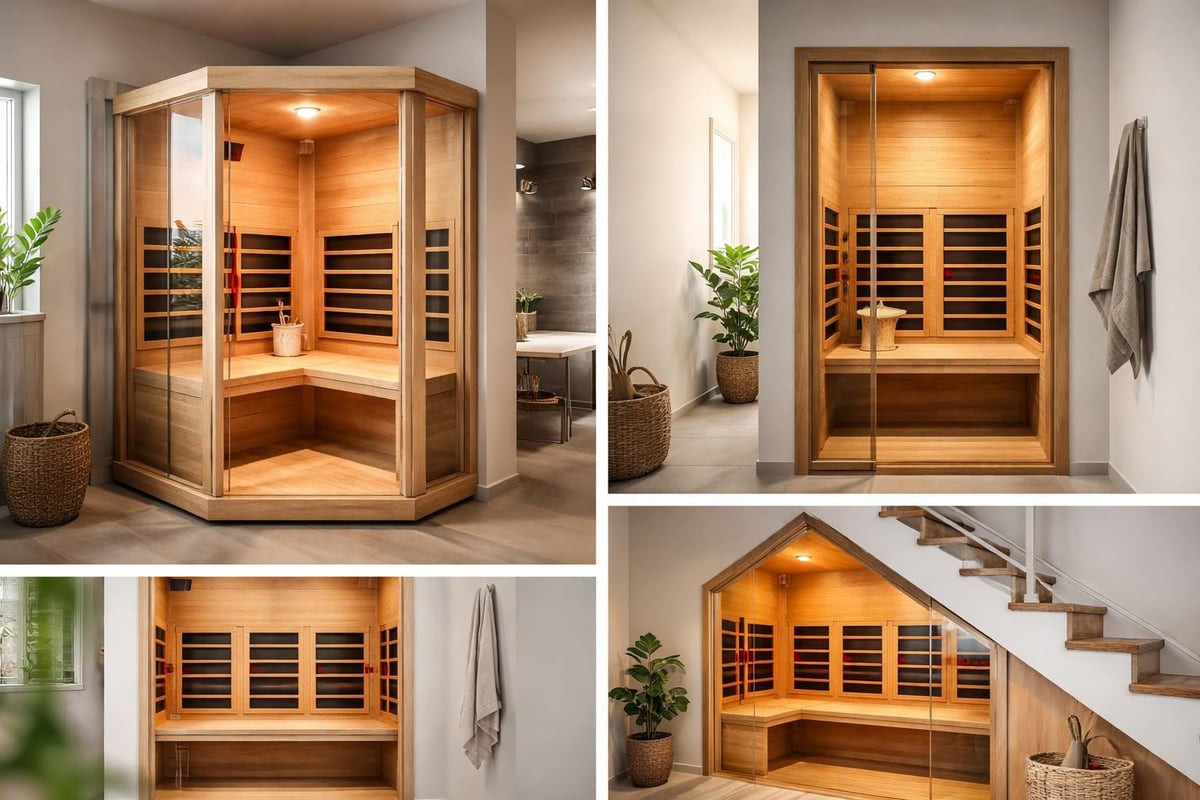
Not every home offers expansive square footage for wellness additions, yet built in infrared saunas adapt remarkably well to compact spaces. Strategic design choices transform closets, under-stair areas, and basement corners into functional sauna environments.
Corner installations utilize often-wasted angular spaces efficiently, with triangular bench arrangements maximizing seating capacity. These configurations work particularly well in basements where two foundation walls provide natural boundaries requiring minimal framing.
For homeowners working with truly minimal space, compact infrared units like the Lumin Infrared Sauna One demonstrate how modern far-infrared technology achieves therapeutic results in surprisingly small footprints. While these arrive as prefabricated units rather than custom-built installations, they illustrate the space efficiency possible with infrared heating systems.
Vertical optimization becomes crucial in space-limited installations. Tall ceiling heights accommodate standing or seated positions, while careful heater placement ensures even heat distribution without requiring extensive floor space. Wall-mounted fold-down benches provide seating during use while maximizing floor area when the sauna sits idle.
Health Benefits and Wellness Optimization
The therapeutic advantages of regular built in infrared sauna use extend far beyond simple relaxation, with peer-reviewed research documenting measurable physiological improvements across multiple health dimensions. Understanding these benefits helps justify the investment while informing optimal usage protocols.
Cardiovascular conditioning occurs as infrared heat elevates heart rate to levels comparable with moderate exercise, typically 100-150 beats per minute during peak heating. This cardiovascular workout improves circulation, strengthens heart muscle, and may reduce blood pressure over time with consistent use.
Detoxification through sweating expels heavy metals, environmental toxins, and metabolic waste products through skin pores. While the liver and kidneys handle primary detoxification, regular sauna sessions complement these natural processes by mobilizing toxins stored in fat tissue.
Evidence-Based Wellness Applications
- Chronic pain management through deep tissue heating and inflammation reduction
- Post-exercise recovery accelerating muscle repair and reducing soreness
- Skin health improvement via increased collagen production and circulation
- Stress reduction through parasympathetic nervous system activation
- Sleep quality enhancement from the post-session cooling effect
- Immune system support by inducing artificial fever responses
The lower operating temperatures of infrared technology make longer sessions more comfortable than traditional saunas, allowing 30-40 minute periods versus 15-20 minutes at higher heat levels. This extended exposure time maximizes therapeutic benefits while remaining physiologically manageable for most users. To optimize your sauna for sleep, schedule sessions 1-2 hours before bedtime, allowing core body temperature to drop naturally afterward.
Maintenance Requirements and Longevity
Proper maintenance ensures your built in infrared sauna delivers decades of reliable service while maintaining aesthetic appeal and therapeutic effectiveness. The good news: infrared systems require significantly less upkeep than traditional steam saunas due to lower moisture exposure and operating temperatures.
Daily maintenance involves minimal effort-simply wipe benches with a dry towel after each use to remove perspiration residue. Allow the sauna to air out for 10-15 minutes with the door open, facilitating moisture evaporation and preventing musty odors.
Weekly cleaning includes vacuuming or sweeping the floor to remove dust and debris, plus wiping wood surfaces with a lightly dampened cloth. Avoid chemical cleaners or excessive moisture that might damage wood finishes or electronic components.
Annual Maintenance Checklist
- Inspect infrared panels for damage, loose connections, or discoloration
- Test control systems verifying accurate temperature readings and timing
- Examine wood surfaces for cracks, splinters, or excessive wear
- Check door seals ensuring proper closure and heat retention
- Verify electrical connections for corrosion or loose terminals
- Clean ventilation systems removing accumulated dust and debris
- Assess structural integrity looking for settling, warping, or moisture damage
Infrared heating elements typically last 10,000 to 15,000 hours of operation, translating to 15-20 years with regular residential use. When panels eventually require replacement, the modular design of most systems allows individual component updates without complete sauna reconstruction.
Wood refinishing becomes necessary every 8-12 years depending on usage frequency and humidity exposure. Light sanding followed by food-grade mineral oil application restores wood appearance while maintaining the chemical-free environment essential for wellness applications.
Integration with Home Automation Systems
Modern built in infrared saunas increasingly integrate with smart home ecosystems, enabling remote control, usage tracking, and automated scheduling that enhance convenience while optimizing energy efficiency. These technological additions transform traditional wellness practices into seamlessly connected experiences.
Remote preheating via smartphone apps ensures your sauna reaches ideal temperature precisely when you're ready to use it, eliminating waiting periods while avoiding unnecessary energy consumption from premature heating. Most systems require 15-25 minutes to reach operating temperature, making timed preheat functions particularly valuable.
Voice control through Amazon Alexa, Google Assistant, or Apple HomeKit allows hands-free operation adjustments during sessions. Simple commands modify temperature settings, adjust lighting, control music playback, or extend session timers without interrupting relaxation.
Smart Features Worth Considering
- Usage analytics tracking session frequency, duration, and temperature preferences
- Energy monitoring quantifying electricity consumption and operational costs
- Maintenance reminders alerting you to scheduled cleaning and inspection tasks
- Multi-user profiles storing personalized temperature and chromotherapy settings
- Integration with fitness trackers coordinating sauna sessions with workout schedules
These technological enhancements add $300 to $1,500 to total project costs depending on sophistication level, yet many users find the convenience and optimization benefits justify the premium. Cloud-connected systems also enable manufacturer diagnostics and troubleshooting, potentially preventing costly service calls.
Permit Requirements and Building Code Compliance
Navigating regulatory requirements represents a critical aspect of built in infrared sauna installation that homeowners occasionally underestimate. Virtually all jurisdictions classify permanent sauna additions as substantial modifications requiring permits, inspections, and code compliance verification.
Electrical permits ensure proper circuit sizing, appropriate wiring methods, and safe component installation. Inspectors verify that dedicated circuits serve only the sauna, wire gauges match ampacity requirements, and all connections occur within approved junction boxes with proper strain relief.
Building permits address structural modifications, fire safety considerations, and general construction standards. Inspectors examine framing adequacy, insulation installation, vapor barrier continuity, and egress requirements ensuring safe emergency exit.
| Compliance Category | Typical Requirements | Inspection Trigger Points |
|---|---|---|
| Electrical | Dedicated circuits, GFCI protection, proper wire sizing | Rough-in, final connection |
| Structural | Adequate framing, load-bearing assessments | Foundation, framing complete |
| Fire Safety | Clearances from combustibles, heat-resistant materials | Pre-drywall, final |
| Ventilation | Adequate air exchange, exhaust ducting | Rough HVAC, final |
| Accessibility | Door width, turning radius (if applicable) | Framing, final |
Working with licensed contractors familiar with local building codes streamlines the permit process while ensuring compliance. Many jurisdictions require homeowners to hire licensed electricians for any work involving new circuits or panel modifications, making professional installation practically mandatory regardless of DIY skills.
Unpermitted work creates serious complications during home sales, insurance claims, or future renovations. Disclosure requirements in most real estate transactions mandate revealing unpermitted improvements, potentially derailing sales or reducing property values.
Comparing Built In Versus Prefabricated Options
The decision between a built in infrared sauna and a prefabricated unit involves trade-offs across customization, cost, installation complexity, and long-term value. Understanding these differences helps homeowners make informed choices aligned with their priorities and circumstances.
Prefabricated saunas arrive as complete kits with pre-cut panels, assembled doors, wired heating elements, and integrated controls. Assembly typically requires 2-4 hours with basic tools, making them accessible DIY projects. These units offer predictable costs, quick installation, and potential portability if you relocate.
Built in installations provide unlimited customization in size, shape, materials, and features while integrating seamlessly with existing architecture. They become permanent home improvements that enhance property value, though requiring larger investments and professional installation expertise.
Decision Factor Comparison
Choose prefabricated when:
- Budget constraints limit total investment below $8,000
- Installation timeline must stay under one week
- Future relocation might necessitate sauna removal
- Space dimensions align with standard unit sizes
- Customization preferences remain minimal
Opt for built in when:
- Available space has unusual dimensions or configuration
- Architectural integration matters aesthetically
- Long-term home ownership justifies permanent improvement
- Custom features like curved walls or extensive glass are desired
- Maximum property value increase is prioritized
Many homeowners exploring infrared sauna options find that prefabricated units from premium manufacturers deliver exceptional quality approaching custom installations while maintaining moderate costs and simple setup. The choice ultimately depends on individual circumstances, design preferences, and long-term home improvement strategies.
Enhancing the Experience with Complementary Features
Once your built in infrared sauna achieves core functionality, thoughtful amenity additions elevate ordinary sessions into luxurious wellness rituals. These enhancements range from simple accessories to sophisticated integrated systems, each contributing to therapeutic effectiveness or user enjoyment.
Chromotherapy lighting uses colored LED systems to deliver specific wavelengths associated with different therapeutic benefits. Red light stimulates circulation and energy, blue promotes relaxation and sleep, green balances emotions, and other colors address various wellness objectives. Programmable sequences automatically transition through color spectrums during sessions.
Audio systems transform silent sauna time into opportunities for meditation guidance, music enjoyment, or educational podcast listening. Moisture-resistant speakers mount discreetly within walls, while Bluetooth connectivity eliminates visible wire runs that might compromise aesthetics.
Popular Enhancement Options
- Himalayan salt panels releasing negative ions and subtle ambient lighting
- Aromatherapy dispensers diffusing essential oils without affecting wood finishes
- Reading lights enabling comfortable book or tablet use during sessions
- Magazine racks and drink holders improving convenience and comfort
- Ergonomic backrests supporting relaxed reclined positions
- Floor heating elements warming feet during cool-weather sessions
The combination of therapeutic heat with carefully selected enhancements creates multisensory experiences that encourage consistent use. Regular sauna sessions deliver maximum health benefits, making enjoyment factors that promote routine usage genuinely valuable rather than frivolous luxuries.
Property Value Impact and Investment Recovery
Real estate professionals consistently identify premium wellness amenities as significant property differentiators in competitive markets. A well-executed built in infrared sauna appeals to health-conscious buyers while demonstrating overall home quality and attention to detail.
Appraisal impact varies by market conditions, home price tier, and local buyer preferences, though quality sauna installations typically recover 60-80% of their cost in increased property value. This return compares favorably with many common renovations like minor kitchen updates or bathroom remodels.
In luxury home segments, wellness features increasingly constitute expected amenities rather than extraordinary bonuses. Properties lacking dedicated health and fitness spaces may actually suffer competitive disadvantages compared to comparably priced homes offering these features.
The permanent nature of built in installations positions them as legitimate home improvements rather than personal property, ensuring their value transfers automatically during sales without requiring special handling or seller retention clauses that complicate transactions.
Marketing advantages extend beyond pure valuation impacts. Distinctive wellness features generate stronger buyer interest, potentially reducing market time and strengthening negotiating positions. Professional listing photography showcasing an attractive sauna creates memorable impressions that set properties apart from similar homes.
For homeowners unconcerned with near-term resale, the personal health returns from regular sauna use arguably exceed financial considerations entirely. Stress reduction, improved sleep quality, enhanced recovery, and chronic pain management deliver tangible life quality improvements impossible to quantify in purely monetary terms.
A built in infrared sauna represents a substantial but rewarding investment in both home value and personal wellness, combining therapeutic benefits with architectural elegance. From initial design through professional installation and decades of reliable operation, these permanent fixtures deliver consistent health advantages while enhancing your living environment. Whether you're exploring compact corner installations or expansive luxury wellness suites, RecoSauna offers expert guidance and premium sauna solutions tailored to your specific needs. Browse our complete collection of infrared and traditional saunas to discover the perfect option for your home wellness vision.
Share:
Traditional Sauna: History, Benefits & Modern Use
Sauna Barrel Outdoor: Your Complete 2026 Buying Guide