
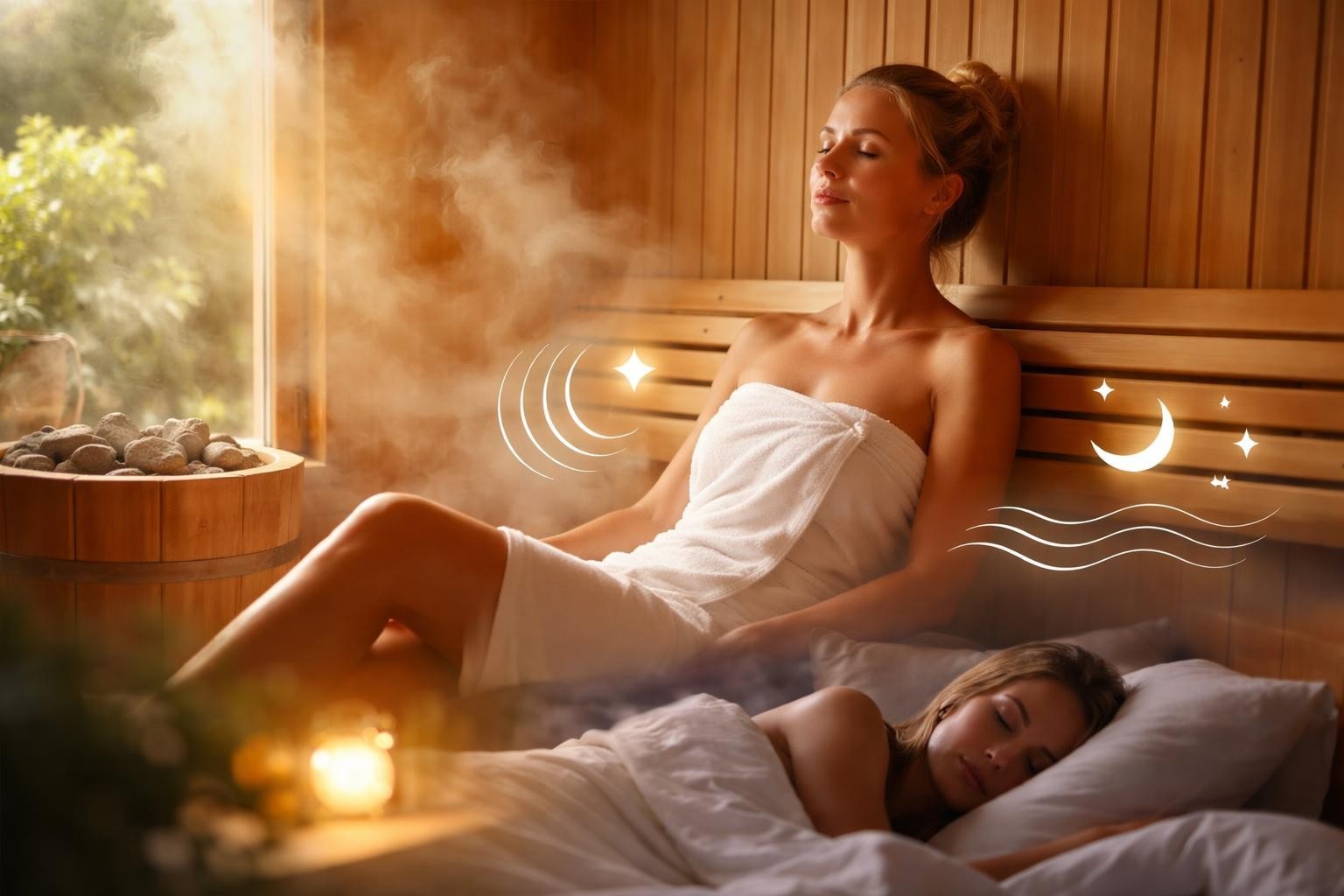
Sleep challenges affect millions of Americans, with many searching for natural solutions beyond medication. Recent research reveals that regular sauna sessions offer a powerful, evidence-based approach to improving sleep quality. The connection between heat exposure and deeper, more restorative rest has gained scientific validation, making sauna for sleep one of the most effective wellness interventions available in 2026. Understanding how thermal therapy influences your body's natural sleep mechanisms can transform your nightly routine and overall well-being.
The Science Behind Sauna for Sleep
The relationship between heat therapy and sleep quality operates through several interconnected physiological pathways. When you expose your body to sauna temperatures, typically ranging from 150°F to 195°F in traditional saunas or 120°F to 140°F in infrared models, your core temperature rises significantly. This elevation triggers a cascade of responses that directly impact your ability to fall asleep and stay asleep throughout the night.

Your body's natural circadian rhythm relies heavily on temperature fluctuations. Core body temperature naturally drops in the evening as part of your sleep preparation process. Research from Finnish sauna experts demonstrates that the post-sauna cooling phase mirrors and enhances this natural decline, creating ideal conditions for sleep onset. This thermoregulatory effect represents one of the primary mechanisms through which sauna for sleep delivers measurable results.
Hormonal Responses and Relaxation
Beyond temperature regulation, sauna sessions stimulate the release of multiple sleep-promoting hormones and neurotransmitters. Heat exposure increases melatonin production, the primary hormone responsible for regulating your sleep-wake cycle. Additionally, sauna use promotes endorphin release, reducing stress and anxiety that commonly interfere with quality rest.
Studies indicate that regular sauna users experience:
- Reduced cortisol levels throughout the day
- Increased growth hormone production during deep sleep phases
- Enhanced parasympathetic nervous system activity promoting relaxation
- Improved serotonin balance supporting mood and sleep regulation
The stress-reduction benefits cannot be overstated. When you incorporate sauna sessions into your evening routine, you create a dedicated period for mental decompression, signaling to your body that it's time to transition from daytime alertness to nighttime recovery mode.
Optimal Timing for Maximum Sleep Benefits
Timing your sauna session correctly determines how effectively it improves your sleep quality. The ideal window for using a sauna for sleep falls between 90 minutes and two hours before your target bedtime. This timeframe allows your body temperature to rise during the session, then gradually decline during the crucial pre-sleep period.
A comprehensive study examining evening sauna use found that over 83% of participants reported improved sleep when they followed this timing protocol. The cooling phase that occurs after exiting the sauna mimics your body's natural temperature drop, essentially giving your circadian system a stronger signal that sleep time approaches.
Duration and Temperature Guidelines
| Sauna Type | Recommended Duration | Optimal Temperature | Best for Sleep |
|---|---|---|---|
| Traditional Electric | 15-20 minutes | 170-190°F | Deep sleep enhancement |
| Infrared | 25-35 minutes | 120-140°F | Gentle relaxation |
| Wood-Fired | 15-25 minutes | 160-180°F | Full relaxation experience |
Morning sauna sessions offer different benefits, primarily focused on alertness and circulation rather than sleep preparation. However, if evening sessions don't fit your schedule, morning use can still contribute to overall sleep quality by regulating your circadian rhythm and reducing daytime stress accumulation.
Deep Sleep Enhancement Through Thermal Therapy
One of the most compelling aspects of using sauna for sleep involves its dramatic impact on deep sleep duration. Recent research indicates that a single sauna session can boost deep sleep by 70%, representing a substantial improvement in sleep architecture. Deep sleep, also known as slow-wave sleep, serves as the most restorative phase of your sleep cycle.
During deep sleep, your body performs critical maintenance functions including tissue repair, immune system strengthening, and memory consolidation. Sauna users consistently report spending more time in this essential stage, waking up feeling more refreshed and mentally sharp. The mechanism behind this enhancement involves both the thermoregulatory effects discussed earlier and the physical relaxation that accompanies heat exposure.
Muscle Relaxation and Pain Reduction
Physical tension and discomfort frequently disrupt sleep quality, preventing you from reaching or maintaining deep sleep stages. Sauna heat penetrates muscle tissue, increasing blood flow and promoting relaxation throughout your body. This effect proves particularly valuable for individuals experiencing:
- Chronic muscle tension from desk work or repetitive activities
- Sports-related soreness affecting sleep comfort
- Age-related stiffness that worsens in evening hours
- Stress-induced muscle tightness in shoulders, neck, and back
The connection between sauna use and sleep quality extends beyond simple relaxation. By addressing physical discomfort that might otherwise cause nighttime awakenings, regular sauna sessions help you maintain uninterrupted sleep cycles, spending more time in restorative deep sleep phases.
Building a Sauna Sleep Routine
Consistency transforms occasional benefits into lasting improvements. Establishing a structured routine around sauna for sleep requires thoughtful planning and attention to your body's responses. Most sleep experts recommend starting with three sessions per week, gradually increasing frequency as your body adapts to the thermal stress.
Pre-Session Preparation:
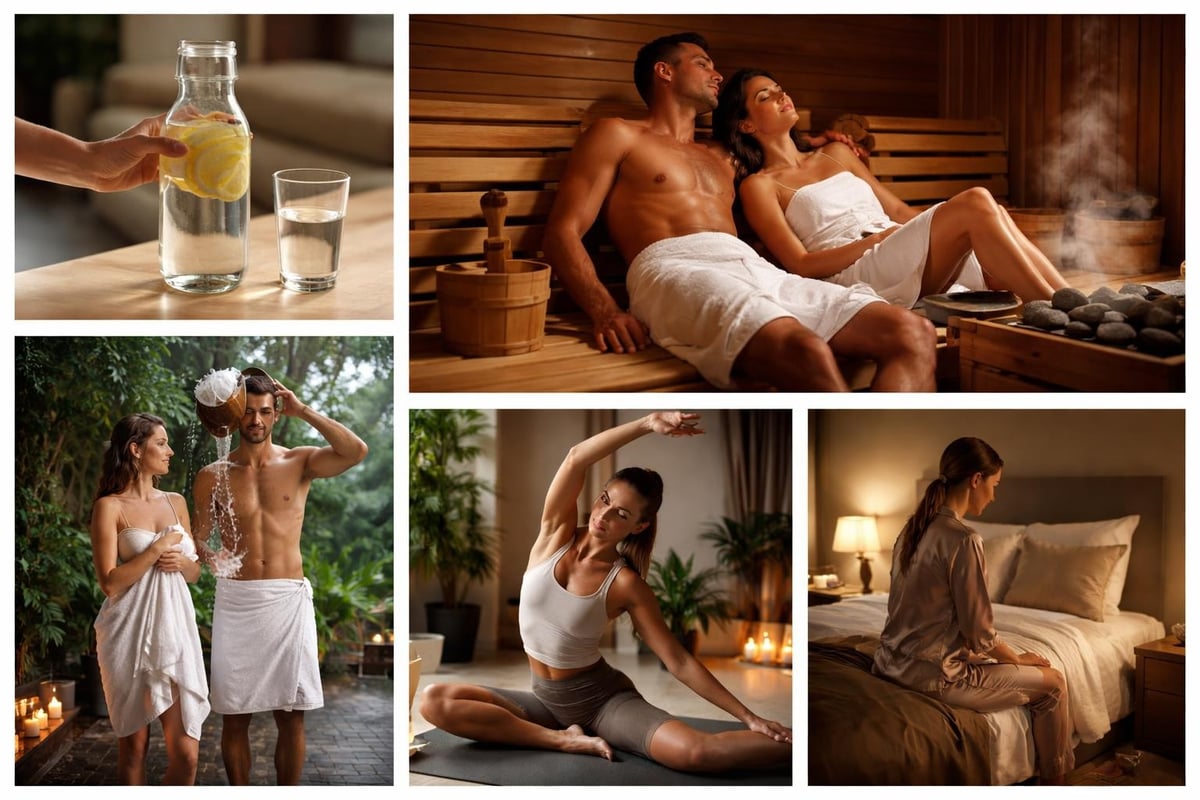
- Hydrate thoroughly two hours before your session
- Eat a light meal at least 90 minutes prior
- Set your bedroom temperature to 65-68°F for optimal post-sauna cooling
- Prepare comfortable, breathable sleepwear
- Dim lights throughout your home to support melatonin production
During Your Session:
Focus on deep, rhythmic breathing to enhance relaxation. Many sauna users find that gentle stretching or meditation during their session amplifies the sleep-promoting effects. Avoid stimulating activities like checking emails or engaging with social media, as these counteract the relaxation response you're cultivating.
Post-Sauna Protocol
The 60 to 90 minutes following your sauna session prove critical for maximizing sleep benefits. During this period, your body temperature gradually returns to baseline, creating optimal conditions for sleep onset. Consider these evidence-based practices:
- Take a lukewarm (not cold) shower to remove sweat while maintaining the cooling trajectory
- Continue hydrating with room-temperature water or herbal tea
- Engage in calming activities like reading or light conversation
- Avoid screens, vigorous exercise, or stressful tasks
- Perform gentle stretching or restorative yoga poses
Research shows that proper post-sauna routines significantly enhance the sleep-promoting effects compared to immediately engaging in stimulating activities. This transition period allows your body to fully capitalize on the physiological changes initiated during heat exposure.
Sauna Types and Sleep Optimization
Different sauna technologies offer distinct advantages for sleep enhancement. Understanding these differences helps you select the most appropriate option for your specific needs and preferences. Both traditional and infrared saunas provide documented sleep benefits, though they operate through slightly different mechanisms.
Traditional saunas, whether heated by electric or wood-fired systems, create higher ambient temperatures that trigger more dramatic thermoregulatory responses. The intense heat produces vigorous sweating and cardiovascular stimulation, followed by a pronounced cooling phase that strongly signals sleep readiness to your circadian system.
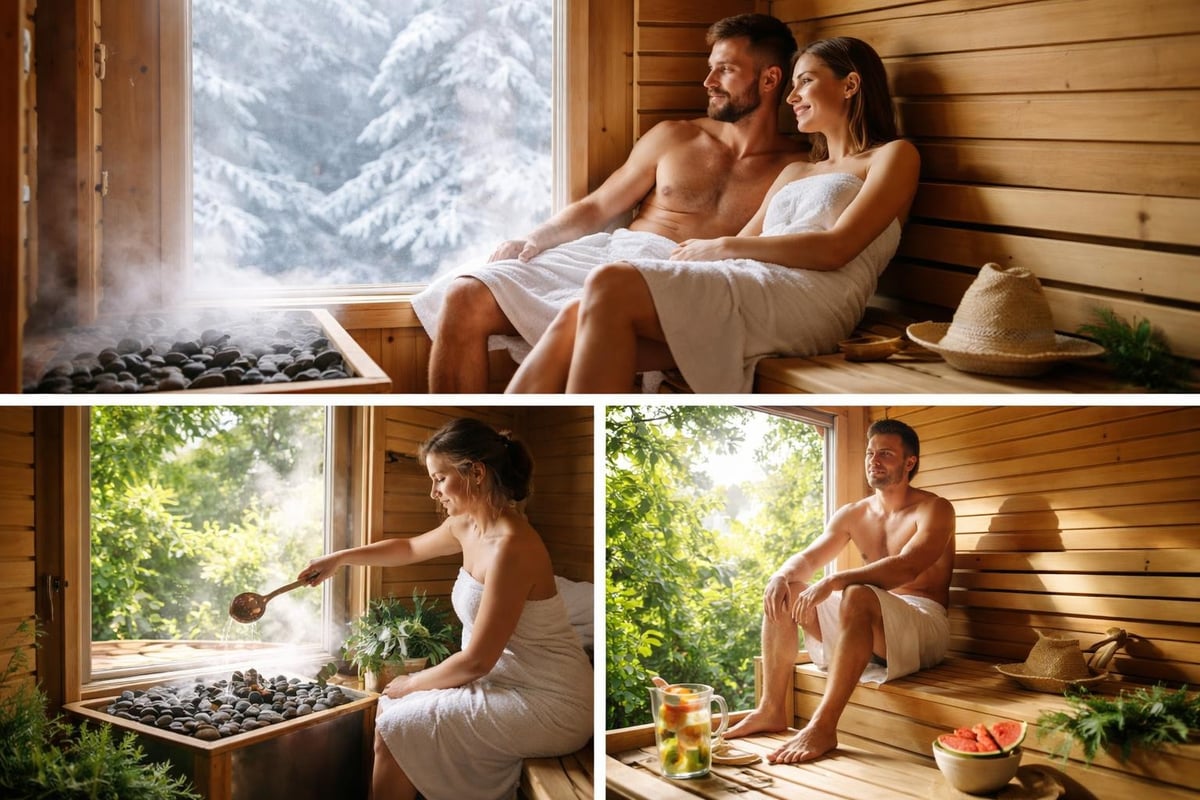
Infrared saunas penetrate deeper into tissue with lower ambient temperatures, offering a gentler approach particularly suited for individuals sensitive to extreme heat. For those seeking a home wellness solution that fits seamlessly into their sleep routine, options like the Maxxus 2 Person Full Spectrum IR Sauna combine therapeutic infrared heat with chromotherapy lighting, creating a multi-sensory relaxation experience. The full-spectrum infrared technology supports circulation and natural cleansing processes while promoting the deep relaxation necessary for quality sleep.
Outdoor vs. Indoor Considerations
| Factor | Outdoor Sauna | Indoor Sauna |
|---|---|---|
| Sleep Routine Integration | Requires extra time for travel | Immediate access |
| Nature Connection | Enhanced relaxation through outdoor exposure | Controlled environment |
| Temperature Consistency | Weather-dependent cooling phase | Predictable conditions |
| Maintenance | Higher but adds to ritual | Lower ongoing effort |
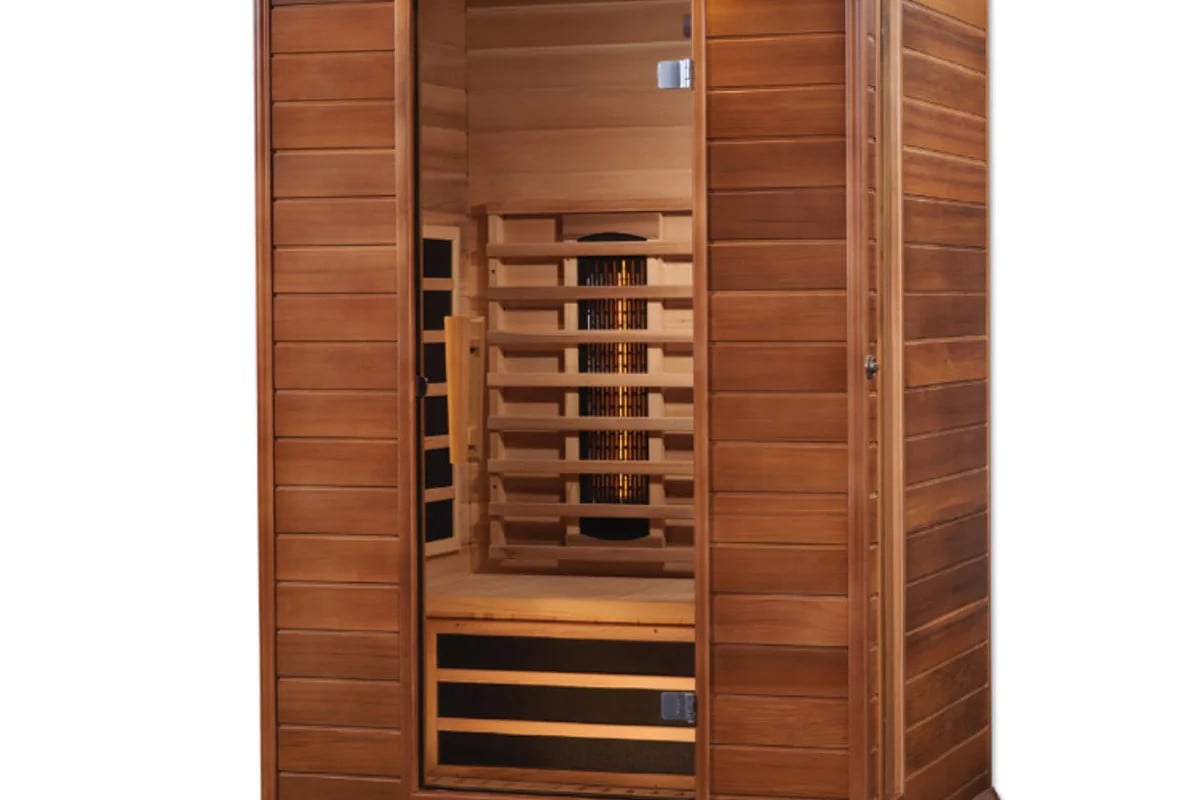
Outdoor saunas offer the added benefit of nature exposure during your evening routine. The transition from heated sauna to cool night air creates a particularly powerful thermoregulatory effect. Many users report that the outdoor experience enhances the meditative quality of their sessions, further promoting mental relaxation essential for quality sleep.
Indoor models provide convenience and weather independence, critical factors for maintaining consistent routines that deliver cumulative sleep benefits. The choice ultimately depends on your specific circumstances, though both options prove effective when used properly.
Addressing Common Sleep Challenges
Different sleep difficulties respond to sauna therapy in distinct ways. Understanding how sauna for sleep addresses your specific challenges allows you to optimize your approach and set realistic expectations for improvement timelines.
Sleep Onset Insomnia:
Difficulty falling asleep typically responds quickly to properly timed sauna sessions. The thermoregulatory effect creates physiological conditions that promote rapid sleep onset. Most individuals notice improvements within the first week of consistent use, with research indicating faster sleep latency becomes measurable after just three sessions.
Maintenance Insomnia:
Frequent nighttime awakenings often stem from elevated cortisol levels, pain, or inadequate deep sleep. Sauna sessions address all three factors simultaneously. Expect gradual improvement over two to four weeks as your stress response systems recalibrate and deep sleep percentages increase.
Early Morning Awakening:
This pattern frequently indicates circadian rhythm disruption or insufficient deep sleep. Regular evening sauna use helps re-establish proper circadian alignment while enhancing slow-wave sleep duration. Improvements typically emerge after two to three weeks of consistent practice.
Winter Sleep Disturbances
Seasonal sleep challenges particularly benefit from sauna therapy. Reduced daylight exposure during winter months disrupts circadian rhythms for many individuals, leading to increased insomnia rates. The combination of bright light exposure during daytime hours and evening sauna sessions creates a powerful circadian support system.
Winter also brings increased muscle tension from cold weather and reduced physical activity. Regular sauna use counteracts these factors, maintaining the physical relaxation necessary for quality sleep even when outdoor exercise proves challenging.
Hydration and Safety Considerations
Maximizing the sleep benefits of sauna use requires attention to proper hydration and safety protocols. Dehydration directly undermines sleep quality, making it essential to replace fluids lost through sweating. Plan to consume 16 to 24 ounces of water in the two hours following each session.
Certain individuals should exercise additional caution or consult healthcare providers before incorporating sauna for sleep into their routines:
- Pregnant women or those trying to conceive
- Individuals with cardiovascular conditions
- People taking medications that affect thermoregulation
- Anyone with uncontrolled hypertension
- Those recovering from acute illness
Safety Best Practices:
- Never use alcohol before or during sauna sessions
- Limit initial sessions to 10-15 minutes, gradually increasing duration
- Exit immediately if you feel dizzy, nauseous, or uncomfortable
- Avoid sauna use within 24 hours of intense physical training
- Keep water within reach during your session
Modern research on saunas and sleep emphasizes the importance of listening to your body's signals. While regular use delivers significant benefits, excessive frequency or duration can produce counterproductive stress responses that interfere with sleep rather than enhancing it.
Complementary Practices for Enhanced Results
Combining sauna sessions with other evidence-based sleep hygiene practices amplifies overall results. Think of sauna for sleep as a powerful foundation upon which you build a comprehensive approach to rest optimization.
Nutrition Timing:
Avoid heavy meals within three hours of bedtime, but don't sauna on an empty stomach. A light snack containing complex carbohydrates and protein two hours before your session provides sustained energy without interfering with sleep. Foods rich in magnesium, such as pumpkin seeds or dark leafy greens, support both the sauna experience and sleep quality.
Light Management:
Coordinate your sauna routine with strategic light exposure. Dim indoor lighting beginning 60 minutes before your sauna session, using warm-toned bulbs that don't suppress melatonin production. After your session, maintain low light levels through bedtime to preserve the hormonal environment conducive to sleep.
Breathing Techniques:
Incorporating specific breathing patterns during and after sauna sessions enhances parasympathetic activation. The 4-7-8 technique (inhale for 4 counts, hold for 7, exhale for 8) proves particularly effective when practiced both in the sauna and during the post-session cool-down period.
Technology and Sleep Tracking
Modern sleep tracking devices provide valuable feedback on how sauna sessions impact your specific sleep architecture. Monitoring metrics like deep sleep percentage, sleep onset latency, and nighttime awakenings helps you optimize timing, duration, and frequency for maximum benefit.
Most users notice measurable improvements in objective sleep metrics within two weeks of establishing a consistent sauna routine. Tracking this data motivates adherence while allowing you to fine-tune your approach based on individual responses rather than general recommendations.
Long-Term Benefits and Lifestyle Integration
The cumulative effects of regular sauna use extend far beyond immediate sleep improvements. Over months and years, consistent practice contributes to systemic health enhancements that create increasingly favorable conditions for restorative sleep. Cardiovascular function improves, stress resilience increases, and age-related sleep degradation slows compared to non-users.
Many individuals find that sauna for sleep becomes a cherished ritual rather than another health obligation. The dedicated time for physical and mental relaxation provides value independent of sleep benefits, creating sustainable motivation for long-term adherence. This shift from seeing sauna use as a sleep intervention to experiencing it as a holistic wellness practice often predicts lasting behavioral change.
Seasonal Adjustments:
| Season | Duration Adjustment | Frequency | Special Considerations |
|---|---|---|---|
| Spring | Standard 15-20 min | 3-4x weekly | Transition from winter routine |
| Summer | Reduce to 12-15 min | 2-3x weekly | Lower temperatures if needed |
| Fall | Increase to 20-25 min | 4-5x weekly | Prepare for seasonal changes |
| Winter | 20-30 min sessions | 4-6x weekly | Combat seasonal sleep disturbances |
Your sauna routine should evolve with changing seasons, environmental factors, and life circumstances. The flexibility to adjust protocols while maintaining consistency distinguishes successful long-term users from those who abandon the practice after initial enthusiasm wanes.
Investment Considerations for Home Saunas
For individuals committed to optimizing sleep through regular sauna use, home installation offers significant advantages over gym memberships or commercial facilities. The ability to maintain precise timing relative to your bedtime, combined with the convenience that supports consistent adherence, makes home ownership particularly valuable for sleep-focused users.
Quality varies substantially across sauna models and manufacturers. Premium Canadian timber constructions provide superior heat retention and longevity compared to budget alternatives. When evaluating options, consider factors beyond initial purchase price, including energy efficiency, maintenance requirements, and warranty coverage.
Key Selection Criteria:
- Heating technology alignment with your preferences (traditional vs. infrared)
- Size appropriate for available space and typical user count
- Assembly requirements and professional installation needs
- Operating costs and energy consumption patterns
- Material quality and expected lifespan
For those exploring barrel saunas or cabin-style models, understanding the specific sleep-related advantages of each design helps inform your decision. Barrel designs offer excellent heat circulation and efficient temperature maintenance, while cabin models provide more interior space and customization options.
Regular sauna sessions represent one of the most effective natural interventions for improving sleep quality, supported by decades of research and consistent user experiences. The combination of thermoregulatory effects, stress reduction, and enhanced deep sleep creates measurable improvements that extend far beyond the sauna itself. Whether you're struggling with occasional sleep disruptions or chronic insomnia, incorporating heat therapy into your evening routine offers a scientifically validated path to better rest. RecoSauna provides premium sauna solutions designed to fit seamlessly into your home wellness routine, from compact infrared models to spacious outdoor barrel saunas, all crafted from high-quality Canadian timber and backed by expert support to help you achieve your sleep optimization goals.
Share:
Sauna and Cold Plunge: A Complete Wellness Guide
Backyard Barrel Sauna: Ultimate Guide for 2026