

Establishing a dedicated sauna day in your weekly routine can transform your approach to wellness, recovery, and stress management. This intentional practice goes beyond occasional sauna sessions, creating a structured opportunity for deep relaxation, cardiovascular benefits, and mental clarity. Whether you own a barrel sauna in your backyard or an infrared unit in your home, setting aside specific time for heat therapy maximizes the physical and psychological benefits that regular sauna use provides.
Understanding the Sauna Day Concept
A sauna day differs fundamentally from sporadic sauna visits. This dedicated time block prioritizes heat therapy as a central wellness activity rather than a quick add-on to your routine. Most enthusiasts schedule their sauna day weekly, allowing the body adequate recovery time while maintaining consistency for optimal health benefits.
Benefits of Regular Scheduling
Research from the University of Eastern Finland demonstrates that regular sauna use significantly improves cardiovascular health, particularly when practiced consistently. Scheduling a specific day creates accountability and ensures you don't skip sessions during busy weeks.
Key advantages of dedicated scheduling include:
- Improved cardiovascular function through consistent heat exposure
- Enhanced muscle recovery for athletes and active individuals
- Reduced stress levels through predictable relaxation time
- Better sleep quality when scheduled earlier in the day
- Social opportunities when shared with family or friends
The psychological aspect of anticipating your sauna day also contributes to stress reduction. Knowing you have scheduled recovery time helps you manage weekly pressures more effectively. According to Cleveland Clinic research on sauna benefits, this anticipation itself can lower cortisol levels throughout the week.

Planning Your Ideal Sauna Day
Successful sauna days require thoughtful preparation and timing. The ideal schedule considers your body's natural rhythms, weekly obligations, and personal wellness goals. Most people find weekend mornings or early evenings work best, allowing adequate time for the full experience without rushing.
Pre-Session Preparation
| Preparation Element | Timing | Purpose |
|---|---|---|
| Hydration | 2-4 hours before | Prevents dehydration during heat exposure |
| Light meal | 1-2 hours before | Provides energy without digestive discomfort |
| Shower | 15 minutes before | Cleanses skin and opens pores |
| Temperature check | 30 minutes before | Ensures sauna reaches optimal heat |
Proper hydration cannot be overstated. Harvard Health guidelines on sauna use emphasize drinking water before, during, and after sessions to support the body's thermoregulation processes.
Setting up your sauna environment matters significantly. For traditional saunas, aim for temperatures between 150-195°F. Infrared models typically operate between 120-140°F, providing therapeutic benefits through a different heating mechanism. RecoSauna's collection includes both traditional outdoor saunas and infrared options to match your preferences.
Duration and Temperature Guidelines
Begin your sauna day with shorter sessions if you're new to the practice. Start with 10-15 minute intervals, gradually extending to 20-30 minutes as your tolerance builds. Experienced users often complete multiple rounds with cool-down periods between sessions.
Progressive session structure:
- First round: 15 minutes at moderate temperature
- Cool-down: 10 minutes with cold water exposure
- Second round: 20 minutes at higher temperature
- Final cool-down: 15 minutes with rehydration
This multi-round approach, popular in Finnish sauna culture, maximizes cardiovascular benefits while preventing overheating. The contrast between hot and cold exposure stimulates circulation and supports immune function more effectively than single-session use.
Health Benefits of Your Weekly Sauna Day
Dedicating one day weekly to sauna therapy delivers measurable health improvements across multiple systems. The concentrated heat exposure triggers physiological responses that extend well beyond the session itself, creating lasting wellness benefits throughout the week.
Cardiovascular and Circulation Improvements
Regular sauna use functions as passive cardiovascular exercise. During a typical session, your heart rate increases to 100-150 beats per minute, similar to moderate physical activity. Medical research documented by Medical News Today shows this cardiovascular workout reduces blood pressure and improves vascular function over time.
The heat causes blood vessels to dilate, increasing circulation throughout the body. This enhanced blood flow delivers oxygen and nutrients to muscles and organs more efficiently. For athletes, scheduling your sauna day after intense training accelerates muscle recovery and reduces delayed onset muscle soreness.

Detoxification and Skin Health
Sweating represents one of the body's natural detoxification pathways. A single sauna session can produce one to two liters of sweat, eliminating toxins through the skin. While kidneys and liver handle primary detoxification, supporting these organs through induced sweating provides additional wellness benefits.
| Benefit Category | Specific Improvements | Timeframe |
|---|---|---|
| Skin appearance | Improved complexion, reduced acne | 2-4 weeks |
| Muscle recovery | Reduced soreness, faster healing | 24-48 hours |
| Stress reduction | Lower cortisol, better mood | Immediate |
| Sleep quality | Deeper sleep, easier onset | Same night |
| Immune function | Enhanced white blood cell activity | Ongoing |
Your skin benefits dramatically from regular sauna exposure. The increased circulation brings nutrients to skin cells while sweating cleanses pores from within. Many users report clearer complexion and improved skin texture within weeks of establishing their sauna day routine.
Mental Health and Stress Management
The mental health benefits of a dedicated sauna day rival the physical advantages. The quiet, meditative environment provides an escape from digital devices and daily stressors. Heat exposure triggers endorphin release, creating natural mood elevation that persists for hours after your session.
WebMD's analysis of sauna health benefits highlights significant stress reduction through regular heat therapy. The combination of physical relaxation, mental quietude, and endorphin activation creates a powerful antidote to modern stress.
Maximizing Your Sauna Day Experience
Transform your basic sauna session into a comprehensive wellness ritual by incorporating complementary practices and thoughtful preparation. The difference between a good sauna day and an exceptional one lies in the details surrounding your heat therapy.
Hydration and Nutrition Strategy
Before your session:
- Drink 16-24 ounces of water with electrolytes
- Consume a light meal with healthy fats and protein
- Avoid alcohol for at least 12 hours prior
- Skip caffeine within 4 hours of your session
During your session:
- Keep water accessible and sip between rounds
- Consider adding trace minerals to your water
- Listen to your body's thirst signals
- Exit immediately if you feel dizzy or nauseated
After your session:
- Replace fluids with 24-32 ounces of water
- Include electrolyte-rich foods or beverages
- Eat a balanced meal within 60 minutes
- Continue hydrating throughout the day
The nutritional timing around your sauna day significantly impacts how you feel during and after sessions. Proper fueling supports your body's thermoregulation efforts and accelerates recovery from heat stress.
Creating the Perfect Environment
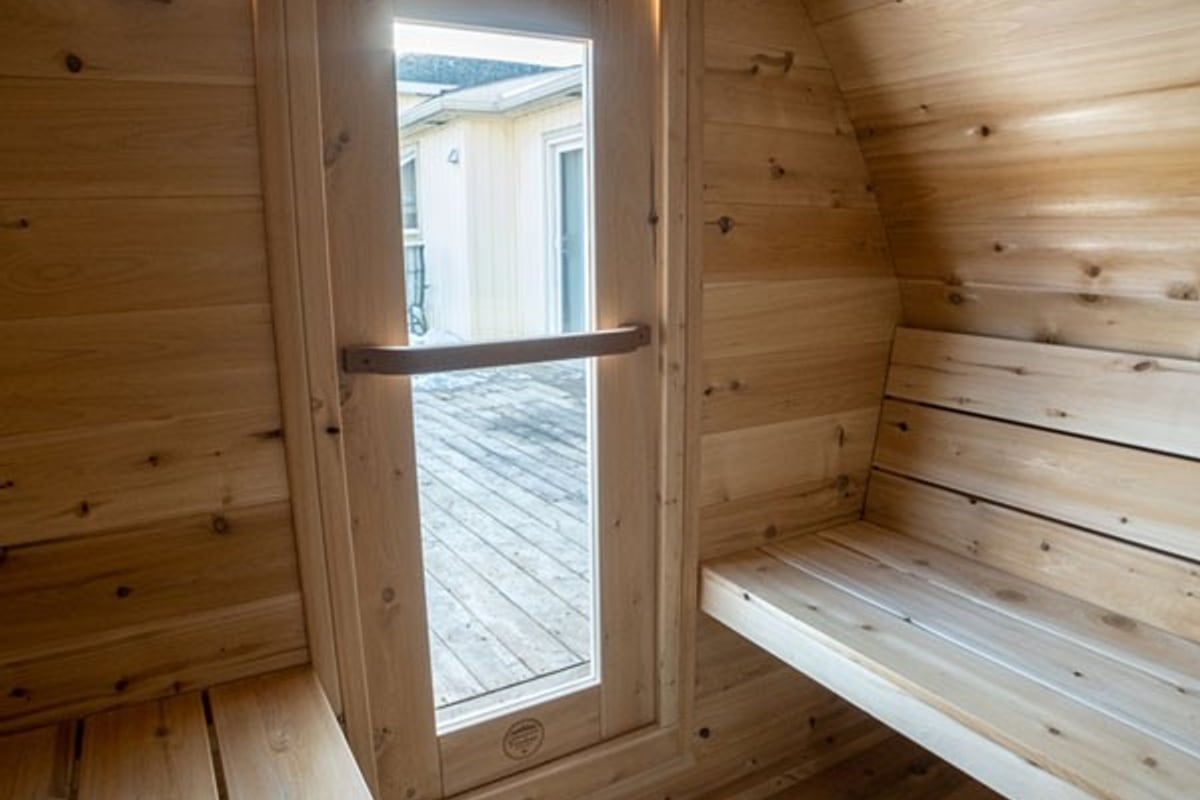
Outdoor saunas offer unique advantages for your weekly ritual. The Canadian Timber Luna Sauna provides a modern aesthetic that complements backyard spaces while delivering authentic heat therapy. Natural light through tempered glass doors connects you with outdoor surroundings, enhancing the relaxation experience.
For those seeking a space-efficient option, compact models deliver full benefits in smaller footprints. These designs make it practical to establish your sauna day routine regardless of property size.
Indoor infrared saunas work exceptionally well for year-round sauna days in climates with harsh winters. The lower operating temperatures and convenient placement make daily access easier, supporting consistency in your wellness practice.
Complementary Wellness Practices
Activities that enhance your sauna day:
- Cold exposure therapy between heat rounds
- Gentle stretching or yoga before sessions
- Meditation or breathwork during heat exposure
- Journaling or reading during cool-down periods
- Light walking or movement after final session
Many sauna enthusiasts incorporate cold plunge therapy into their routine, alternating between heat and cold for maximum cardiovascular benefit. The temperature contrast stimulates circulation more intensely than heat alone, creating what Scandinavian cultures call the "sauna high."
Building Your Sauna Day Ritual
Consistency transforms occasional sauna use into a powerful wellness habit. Establishing rituals around your sauna day increases adherence and enhances the psychological benefits of this practice. The routine itself becomes a form of meditation, signaling to your body and mind that recovery time has arrived.
Timing Your Sessions
Optimal weekly scheduling options:
- Saturday morning: Provides recovery before the weekend, doesn't interfere with work
- Sunday evening: Prepares body and mind for the upcoming week
- Wednesday evening: Breaks up the work week, reduces mid-week stress
- Post-workout days: Maximizes muscle recovery after intense training
Choose timing that aligns with your lifestyle and commitments. The best sauna day is the one you'll actually maintain week after week. Consistency matters more than perfect timing.
Social vs. Solo Sessions
Solo sauna days offer introspection and personal meditation time. The solitude allows for deep relaxation without social obligations or conversation. Many people use this time for mental processing, problem-solving, or simple presence.
Group sauna sessions create different benefits. Sharing your sauna day with family or friends builds social connections while supporting mutual wellness goals. The accountability of scheduled group sessions also improves consistency.
Safety Considerations and Best Practices
While sauna use offers numerous benefits, understanding safety guidelines ensures positive experiences without health risks. Certain populations should exercise additional caution or consult healthcare providers before establishing a regular sauna day routine.
Who Should Take Precautions
Pregnant women should avoid saunas, particularly during the first trimester when elevated core temperature poses developmental risks. Individuals with cardiovascular conditions should consult physicians before beginning regular heat therapy, as the cardiovascular demands may interact with certain conditions.
Additional risk factors requiring medical consultation:
- Uncontrolled hypertension or hypotension
- Recent heart attack or stroke history
- Chronic kidney disease
- Certain medications affecting thermoregulation
- Active infections or fever conditions
Children can safely use saunas at lower temperatures for shorter durations, but require close supervision. Limit sessions to 5-10 minutes and ensure they exit if uncomfortable.
Recognizing Warning Signs
Exit your sauna immediately if you experience dizziness, nausea, headache, rapid heartbeat, or breathing difficulty. These symptoms indicate your body has reached its thermal tolerance. Cool down gradually and rehydrate thoroughly.
Never use alcohol before or during sauna sessions. Alcohol impairs thermoregulation and increases dehydration risk significantly. Similarly, avoid sauna use while taking medications that affect sweating or temperature regulation without medical approval.
Equipment and Setup Considerations
Choosing the right sauna type influences your sauna day experience significantly. Traditional Finnish saunas, infrared models, and barrel designs each offer distinct advantages depending on your wellness goals, available space, and personal preferences.
Traditional vs. Infrared Heat
Traditional saunas heat the air to high temperatures, creating the classic sauna experience with steam when water contacts hot rocks. This method produces intense sweating and the deeply relaxing heat that sauna culture celebrates. Operating temperatures typically range from 150-195°F, requiring proper ventilation and electrical capacity.
Infrared saunas use light wavelengths to heat your body directly rather than warming the air. This approach operates at lower temperatures (120-140°F) while still inducing significant sweating. Many users find infrared heat more comfortable for longer sessions, particularly those sensitive to extreme heat.
| Feature | Traditional Sauna | Infrared Sauna |
|---|---|---|
| Temperature | 150-195°F | 120-140°F |
| Heat-up time | 30-40 minutes | 10-15 minutes |
| Operating cost | Higher | Lower |
| Installation | More complex | Plug-and-play |
| Heat type | Air convection | Direct penetration |
Outdoor vs. Indoor Installation
Outdoor saunas create a connection with nature that enhances relaxation. The Canadian Timber barrel sauna collection exemplifies premium outdoor construction using Eastern White Cedar, offering natural insect resistance and weather durability. The barrel shape provides efficient heat circulation while creating an iconic backyard focal point.
Indoor installations offer convenience and year-round accessibility regardless of weather. They integrate seamlessly into existing spaces like bathrooms, basements, or spare rooms. Climate control ensures comfort before and after sessions, which outdoor units cannot guarantee during extreme weather.
Establishing Long-Term Consistency
The challenge with any wellness practice lies not in starting but in maintaining consistency over months and years. Your sauna day becomes truly beneficial when it evolves from a trial into a permanent lifestyle component.
Tracking Progress and Benefits
Document your sauna day experiences to recognize patterns and improvements. Simple metrics like resting heart rate, sleep quality ratings, stress levels, and recovery speed provide tangible evidence of benefits. Many users report measurable improvements within 4-6 weeks of consistent practice.
Metrics worth tracking:
- Session duration and temperature preferences
- Pre and post-session heart rate
- Subjective stress levels (1-10 scale)
- Sleep quality ratings
- Muscle soreness and recovery time
- Skin appearance improvements
- Overall wellness perception
Photography can document physical changes like improved skin tone, reduced inflammation, or body composition shifts when sauna use accompanies fitness programs.
Overcoming Consistency Challenges
Life disruptions will occasionally interfere with your sauna day schedule. Travel, illness, or unexpected obligations happen. The key lies in returning to your routine promptly rather than abandoning it after interruptions.
Consider your sauna day non-negotiable self-care, equivalent to medical appointments or critical work meetings. This mindset shift elevates its priority and protects the time from casual rescheduling. When travel disrupts your routine, research local sauna facilities to maintain consistency even away from home.
Seasonal Adjustments
Winter sauna days offer particular appeal, providing warmth and immune support during cold months. The contrast between frigid outdoor temperatures and sauna heat feels especially therapeutic. Many northern cultures embrace sauna use most intensely during winter for exactly these reasons.
Summer sessions require additional hydration awareness as ambient temperatures increase baseline fluid loss. Some users shift to morning sessions during hot months to avoid compounding heat stress. Infrared saunas work particularly well in summer, as their lower operating temperatures feel less overwhelming.
Advanced Sauna Day Techniques
Once you've established consistent practice, advanced techniques can deepen the experience and multiply benefits. These methods draw from centuries of sauna culture across Finnish, Russian, and Japanese traditions.
Temperature Cycling and Contrast Therapy
Alternating between extreme heat and cold creates powerful physiological responses. After 15-20 minutes in high heat, immerse yourself in cold water for 1-2 minutes. This contrast stimulates circulation, activates the immune system, and triggers significant endorphin release.
The shock of cold water after intense heat might seem uncomfortable initially, but adaptation occurs quickly. Most practitioners report the contrast becomes the most anticipated aspect of their sauna day within weeks of starting the practice.
Aromatherapy and Essential Oils
Adding essential oils to your sauna experience enhances relaxation and provides additional therapeutic benefits. Eucalyptus supports respiratory function while creating an invigorating scent. Lavender promotes deeper relaxation and stress reduction. Cedar oil complements the natural wood aromas in traditional saunas.
For traditional saunas, add 5-10 drops of essential oil to water before pouring over hot rocks. Infrared users can place oils on a towel near heating elements or use a diffuser outside the sauna space to avoid damaging electronic components.
Breathing Exercises and Meditation
The sauna environment naturally supports meditative practices. The heat demands present-moment awareness, making it easier to quiet mental chatter. Simple breathing techniques amplify relaxation benefits significantly.
Try this basic breathing pattern:
- Inhale slowly through your nose for 4 counts
- Hold your breath comfortably for 4 counts
- Exhale through your mouth for 6 counts
- Pause briefly before repeating
Continue this pattern for 5-10 minutes during your session. The controlled breathing enhances oxygen delivery while promoting parasympathetic nervous system activation.
Integration with Overall Wellness
Your sauna day functions most effectively as part of a comprehensive wellness strategy rather than an isolated practice. Integration with exercise, nutrition, sleep hygiene, and stress management creates synergistic benefits exceeding any single practice alone.
Exercise Coordination
Schedule intense workouts 24 hours before your sauna day for optimal recovery support. The heat therapy accelerates muscle repair and reduces inflammation from training stress. Athletes often report decreased soreness and improved subsequent workout performance when maintaining this schedule.
Gentle movement on your sauna day itself complements heat therapy well. Yoga, walking, or light stretching before sessions prepares the body for heat exposure while promoting flexibility and circulation.
Sleep Optimization
Timing your sauna day earlier rather than immediately before bed typically produces better sleep outcomes. The core temperature elevation during sauna use eventually triggers a compensatory drop that promotes sleep onset, but this process takes several hours. Sessions 3-4 hours before bedtime hit the optimal window.
The deep relaxation and stress reduction from your sauna day often improve sleep quality that evening regardless of timing. Many users report falling asleep faster and experiencing fewer nighttime awakenings on sauna days.
Establishing a dedicated sauna day transforms heat therapy from occasional indulgence to powerful wellness cornerstone. The combination of cardiovascular benefits, stress reduction, and consistent recovery time creates measurable improvements in physical and mental health. Whether you prefer the traditional experience of a barrel sauna or the convenience of an infrared model, commitment to regular practice delivers the most significant returns. RecoSauna provides premium sauna solutions across all categories, from compact home units to spacious outdoor installations, supporting your journey toward consistent wellness through quality craftsmanship and authentic materials.
Share:
Pod Sauna: Compact Wellness Solution for Modern Homes
Sauna Pod: Complete Guide to Modern Wellness Solutions