
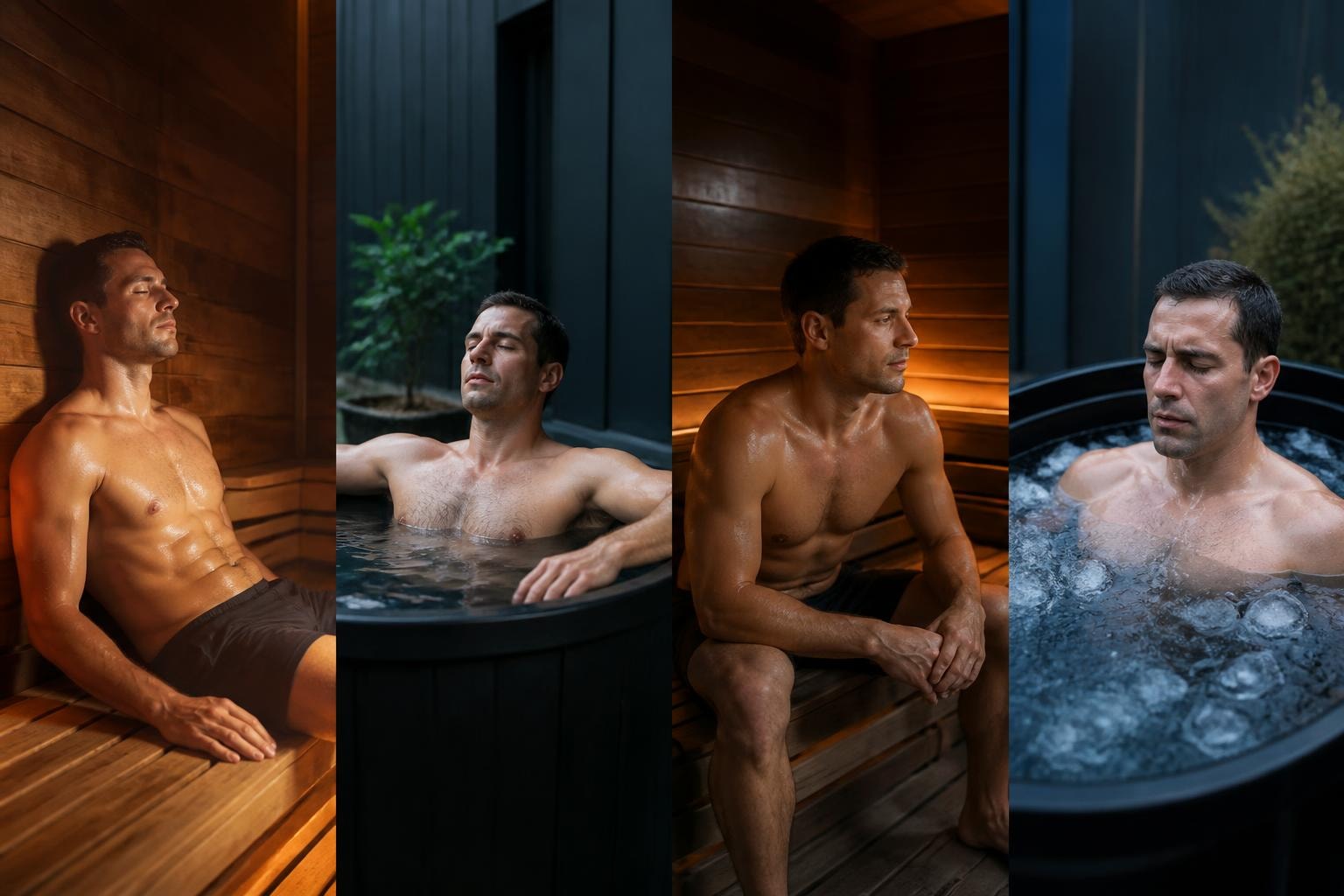
The practice of alternating between intense heat and cold exposure has transformed from an ancient wellness tradition into a modern recovery protocol embraced by athletes, wellness enthusiasts, and health-conscious individuals worldwide. Understanding the relationship between sauna cold therapy allows you to maximize the benefits of both modalities while creating a comprehensive approach to physical and mental well-being. This powerful combination activates unique physiological responses that neither practice achieves alone, making it a cornerstone of advanced recovery strategies.
The Science Behind Sauna Cold Contrast Therapy
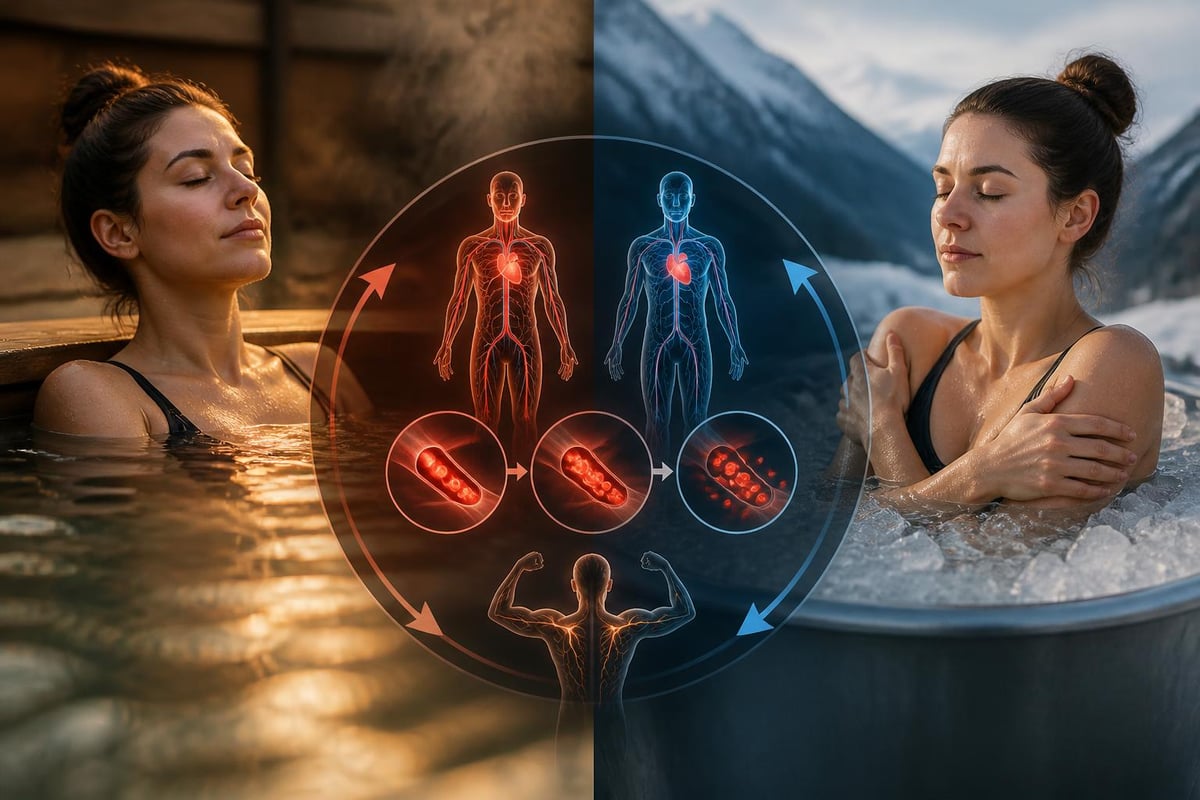
Contrast therapy works by triggering opposite vascular responses in rapid succession. When your body experiences sauna heat, blood vessels dilate to release heat and increase surface circulation. This vasodilation improves oxygen delivery to tissues and helps flush metabolic waste products from muscles.
The cold phase creates vasoconstriction, where blood vessels narrow and blood rushes toward your core to protect vital organs. This cycling between dilation and constriction creates a pumping effect that enhances circulation far beyond what either temperature alone provides.
Key physiological responses include:
- Enhanced lymphatic drainage and waste removal
- Reduced inflammation markers throughout the body
- Improved cardiovascular conditioning and resilience
- Activation of brown adipose tissue for metabolic benefits
- Release of norepinephrine and endorphins for mood elevation
Research demonstrates that the combination of heat and cold produces more significant improvements in recovery markers than single-temperature protocols. The cardiovascular benefits of sauna use become amplified when paired with strategic cold exposure, creating a powerful stimulus for adaptation.
Optimal Protocols for Sauna Cold Sessions
Creating an effective sauna cold routine requires attention to timing, temperature differentials, and individual tolerance levels. The standard protocol begins with heat exposure to raise core temperature and induce cardiovascular stress before transitioning to cold immersion.
Traditional Nordic Protocol
The Finnish tradition of sauna cold therapy has been refined over centuries. Practitioners typically spend 15-20 minutes in a sauna heated to 170-195°F, followed by 1-3 minutes of cold exposure through outdoor immersion, cold showers, or snow rolling.
This cycle repeats three to five times during a single session, with rest periods between rounds. The final round should end with cold exposure to close pores and stabilize body temperature before returning to normal activities.
| Protocol Element | Recommended Range | Purpose |
|---|---|---|
| Sauna temperature | 170-195°F | Adequate heat stress |
| Sauna duration | 15-20 minutes | Core temperature elevation |
| Cold temperature | 40-60°F | Sufficient contrast |
| Cold duration | 1-3 minutes | Vasoconstriction response |
| Number of rounds | 3-5 cycles | Optimal adaptation |
Modified Approaches for Beginners
Newcomers to sauna cold practice should start conservatively and build tolerance gradually. Begin with shorter sauna sessions of 10-12 minutes at moderate temperatures around 160°F, followed by brief cold showers lasting 30-60 seconds.
As your body adapts, progressively increase duration and temperature extremes. Listen to your cardiovascular response and never push beyond comfortable limits, especially during the cold phase where breathing can become challenging.
Health Benefits and Recovery Applications
The combination of sauna cold therapy delivers benefits that extend far beyond simple relaxation. Athletes use contrast therapy to accelerate recovery between training sessions, reducing muscle soreness and inflammation while maintaining performance capacity.
Primary recovery benefits include:
- Decreased delayed onset muscle soreness (DOMS)
- Faster clearance of lactate and metabolic byproducts
- Reduced inflammation and tissue swelling
- Enhanced muscle repair and protein synthesis
- Improved joint mobility and flexibility
Mental health improvements represent another significant advantage of regular sauna cold practice. The stress of temperature extremes activates adaptive responses that build psychological resilience and stress tolerance. Many practitioners report improved mood, better sleep quality, and enhanced mental clarity following consistent contrast therapy sessions.
The respiratory impacts of alternating between saunas and cold plunges deserve consideration, particularly for individuals with existing lung conditions. Proper breathing techniques during both phases help maximize benefits while maintaining safety.
Safety Considerations and Contraindications
While sauna cold therapy offers numerous benefits, certain populations should exercise caution or avoid the practice entirely. Pregnant women, individuals with cardiovascular disease, and those with uncontrolled hypertension should consult healthcare providers before beginning contrast therapy.
The thermal shock from rapid temperature changes places significant stress on the cardiovascular system. This stress provides beneficial adaptation for healthy individuals but may pose risks for those with compromised heart function or circulation issues.
Essential Safety Guidelines
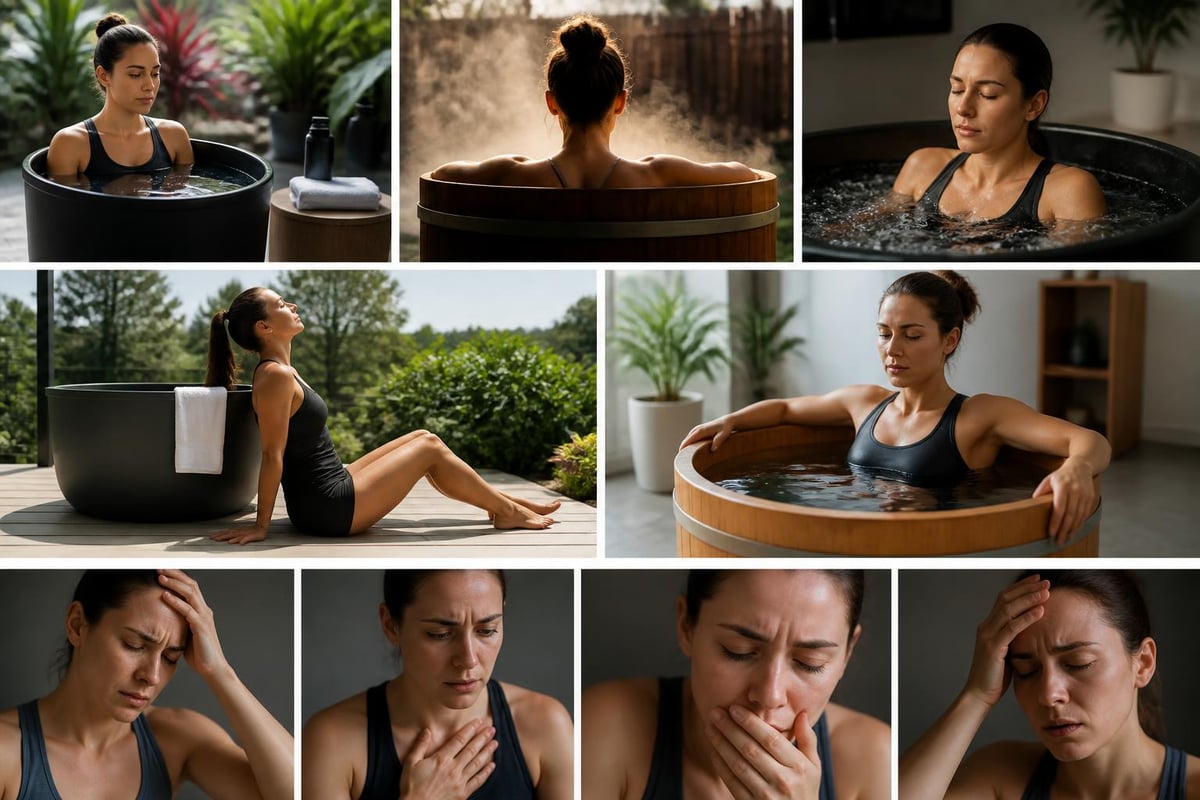
Never practice sauna cold therapy alone, especially when using outdoor cold water sources. Having a partner present ensures assistance if you experience dizziness, disorientation, or other adverse effects during temperature transitions.
Avoid alcohol consumption before or during contrast therapy sessions. Alcohol impairs thermoregulation and increases dehydration risk, compounding the cardiovascular stress from temperature extremes. Stay well-hydrated before, during, and after sessions by drinking water between rounds.
- Exit the sauna immediately if you feel faint or nauseous
- Limit cold exposure to prevent hypothermia risk
- Allow adequate cool-down between cycles
- Skip sessions during illness or fever
- Monitor heart rate and breathing patterns
The British Sauna Society provides comprehensive safety guidance for combining heat and cold exposure, emphasizing gradual adaptation and awareness of personal limits.
Implementing Cold Exposure After Sauna Sessions
The transition from heat to cold requires both mental preparation and proper technique. Many practitioners find the anticipation more challenging than the actual cold exposure, making mental readiness a crucial component of successful sauna cold practice.
Cold Plunge Techniques
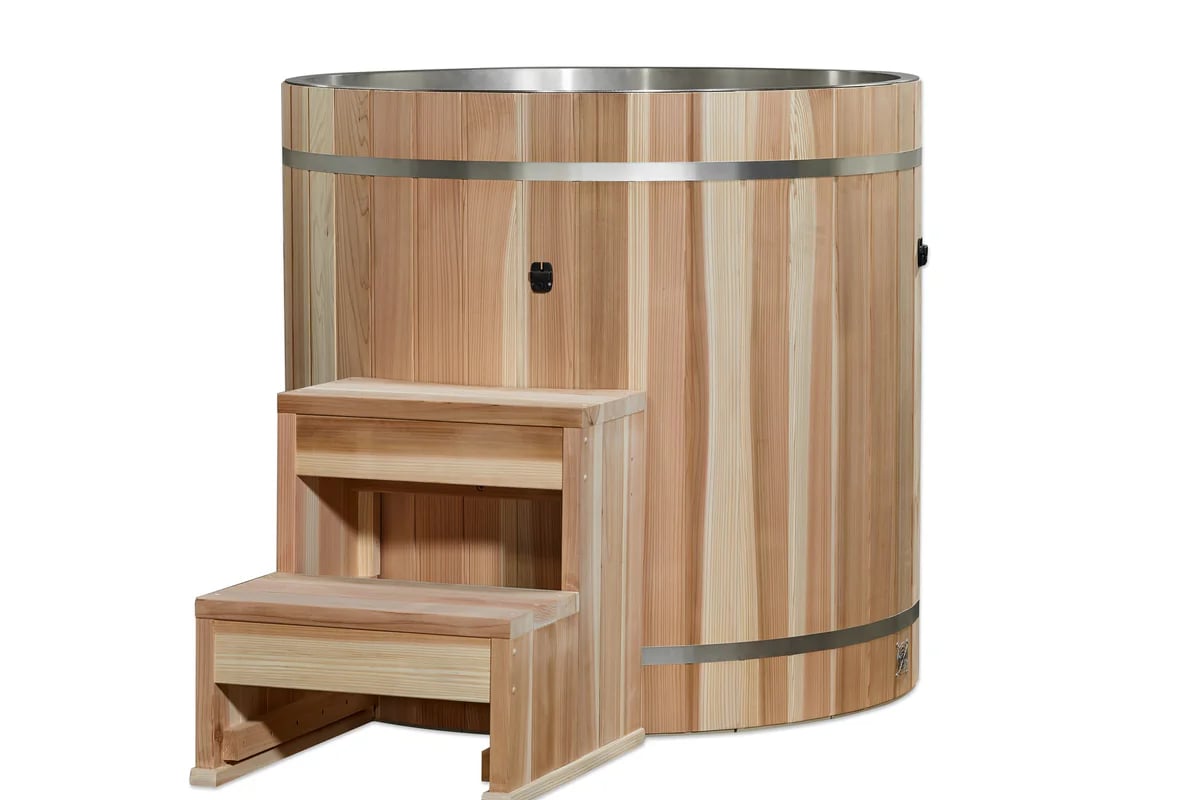
Dedicated cold plunge pools offer the most controlled and effective cold exposure option for home wellness routines. Purpose-built systems maintain consistent temperatures and provide comfortable entry points for safe immersion. For those seeking a dedicated cold therapy solution, the Dynamic Cold Therapy Barrel 304 Stainless Steel Cold Plunge delivers professional-grade performance with durable stainless steel construction designed to withstand regular use in demanding recovery protocols.
Enter cold water gradually but deliberately, focusing on controlled breathing to manage the initial shock response. Submerge to neck level for maximum benefit, keeping hands and feet underwater despite the strong urge to withdraw extremities.
Breathing strategies for cold immersion:
- Take slow, deep breaths before entry to oxygenate tissues
- Exhale fully as you submerge to prevent gasping
- Maintain steady breathing rhythm throughout exposure
- Use box breathing (4-count inhale, hold, exhale, hold)
- Focus on extending exhalation to activate parasympathetic response
Alternative Cold Exposure Methods
Cold showers provide an accessible starting point for those new to sauna cold practice or lacking dedicated plunge facilities. Gradually decrease water temperature over 30-60 seconds rather than switching immediately to full cold, allowing your body to adjust progressively.
Outdoor methods like snow rolling or winter lake swimming offer unique benefits but require additional safety precautions. Never practice outdoor cold immersion alone, and limit exposure duration based on water temperature and environmental conditions. Understanding what to know about cold plunges helps establish safe parameters for various exposure methods.
Maximizing Results Through Proper Timing
The sequence and timing of your sauna cold routine significantly impacts the physiological adaptations and recovery benefits. Most protocols emphasize ending with cold exposure to promote vasoconstriction and stabilize body temperature before resuming normal activities.
However, some practitioners prefer finishing with gentle heat to promote relaxation and prevent excessive cooling. Experiment with both approaches to determine which produces better outcomes for your specific goals and physical responses.
Pre-Exercise vs. Post-Exercise Application
Timing your sauna cold sessions relative to training affects the adaptation signals your body receives. Post-exercise contrast therapy prioritizes recovery and inflammation reduction, making it ideal for athletes managing training volume and intensity.
Pre-exercise application focuses on activation and circulation enhancement without the recovery emphasis. Morning sauna cold sessions can improve alertness and energy levels throughout the day, while evening sessions promote relaxation and sleep quality.
| Timing Strategy | Primary Benefits | Best For |
|---|---|---|
| Post-workout | Muscle recovery, inflammation reduction | Athletes, intense training |
| Morning sessions | Energy, alertness, circulation | Daily wellness routines |
| Evening practice | Relaxation, sleep quality | Stress management |
| Non-training days | Active recovery, maintenance | Consistent adaptation |
Building a Home Sauna Cold Practice
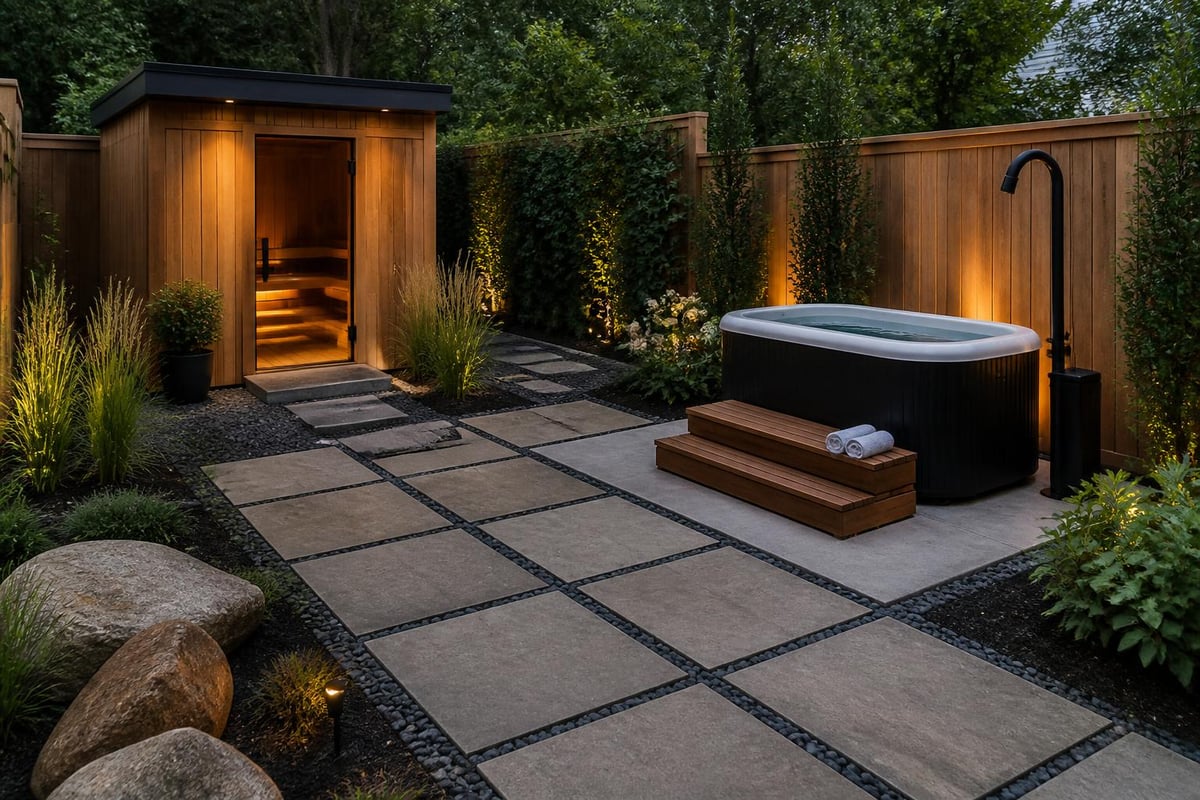
Creating a dedicated space for contrast therapy enhances consistency and long-term adherence. Outdoor saunas paired with cold exposure facilities transform your backyard into a comprehensive wellness center, providing year-round access to therapeutic temperature extremes.
Space planning should account for both the sauna structure and cold exposure area, with safe pathways between zones. Consider proximity to water sources, electrical requirements for sauna heaters, and drainage solutions for cold plunge systems.
Selecting Compatible Equipment
Modern sauna options range from compact infrared saunas to traditional barrel saunas and spacious cabin designs. Each style offers distinct advantages for home installation and contrast therapy applications.
Barrel saunas provide excellent heat distribution and aesthetic appeal for outdoor installations, while cabin saunas offer more interior space for group sessions. Infrared models heat quickly and operate efficiently, making them practical for frequent use in daily wellness routines.
Installation considerations include:
- Available square footage and clearance requirements
- Electrical capacity for sauna heaters and accessories
- Ventilation needs and fresh air circulation
- Proximity to water sources for cold exposure setup
- Privacy screening and year-round accessibility
The growing trend of cold plunging has expanded equipment options, from simple stock tanks to temperature-controlled systems with filtration and sanitation features.
Advanced Techniques and Variations
Experienced practitioners develop personalized sauna cold protocols that address specific performance goals or health objectives. Varying the temperature differentials, duration ratios, and number of cycles allows fine-tuning of the physiological stimulus.
Temperature Ladder Protocol
This advanced approach uses progressively colder water temperatures across multiple rounds. Start with moderately cool water around 65°F after the first sauna round, decreasing to 55°F for the second cycle, and finishing at 45-50°F for maximum contrast.
The graduated temperature decrease allows adaptation while building cold tolerance progressively throughout the session. This method reduces initial shock while still delivering powerful circulatory benefits and metabolic activation.
Breathing-Focused Variations
Incorporating specific breathing patterns during temperature transitions enhances the neurological and metabolic responses to sauna cold practice. Wim Hof Method breathing, practiced before cold exposure, pre-oxygenates tissues and modulates stress hormone release.
Alternate nostril breathing during sauna sessions promotes relaxation and parasympathetic activation, balancing the sympathetic stress from heat exposure. These conscious breathing practices transform contrast therapy from purely physical stress into an integrated mind-body practice.
Tracking Progress and Adaptation
Monitoring your responses to sauna cold therapy helps optimize protocols and identify beneficial adaptations over time. Track baseline metrics like resting heart rate, heart rate variability, sleep quality, and subjective recovery ratings to assess the impact of your practice.
Many practitioners notice improved cold tolerance within 2-3 weeks of consistent practice, requiring lower water temperatures or longer immersion times to achieve the same physiological response. This adaptation demonstrates improved thermoregulation and cardiovascular conditioning.
Metrics worth monitoring:
- Resting heart rate trends over weeks and months
- Heart rate variability improvements
- Subjective energy and mood ratings
- Sleep quality and duration changes
- Athletic performance and recovery markers
- Cold tolerance duration increases
Keep a simple log noting sauna temperature, duration, cold exposure method and time, and how you feel during and after sessions. These records reveal patterns and help troubleshoot if you experience diminishing returns or unexpected responses. The research-backed benefits of cold plunges continue expanding, making documentation valuable for understanding personal responses.
Integration with Other Wellness Practices
Sauna cold therapy complements various wellness modalities and recovery strategies. Combining contrast therapy with massage, stretching, or mobility work creates comprehensive recovery sessions that address multiple adaptation pathways simultaneously.
Nutrition timing around sauna cold sessions influences the metabolic and recovery responses. Some practitioners prefer training in a fasted state before contrast therapy to enhance metabolic flexibility, while others prioritize post-session protein intake to support muscle repair.
Complementary Recovery Modalities
Compression therapy following sauna cold sessions extends the circulatory benefits and supports lymphatic drainage. Light movement or yoga between temperature rounds maintains circulation without excessive cardiovascular stress.
Sleep optimization represents perhaps the most powerful combination with contrast therapy. The thermoregulatory effects of ending with cold exposure, followed by gradual rewarming, promote the core temperature drop that signals sleep onset. Many practitioners report deeper sleep and improved recovery when performing evening sauna cold sessions 2-3 hours before bedtime.
For additional insights on maximizing sauna benefits, exploring resources from wellness experts like Dr. Rhonda Patrick provides evidence-based guidance on heat and cold therapy protocols. The scientific foundation continues growing, with research validating traditional practices while identifying new applications for modern wellness goals.
Mastering the relationship between sauna cold therapy creates a powerful tool for physical recovery, mental resilience, and long-term wellness. Whether you're an athlete seeking performance advantages or someone pursuing daily vitality, understanding proper protocols and safety guidelines ensures you capture the full spectrum of benefits this ancient practice offers. RecoSauna provides the premium equipment foundation for building your personalized contrast therapy routine, with carefully selected saunas and cold therapy solutions designed to meet the demands of serious wellness practitioners and deliver professional results in your own space.
Share:
Sauna and Detoxification: Science-Backed Benefits
Clearlight Sauna Price: 2026 Cost Guide & What to Expect