
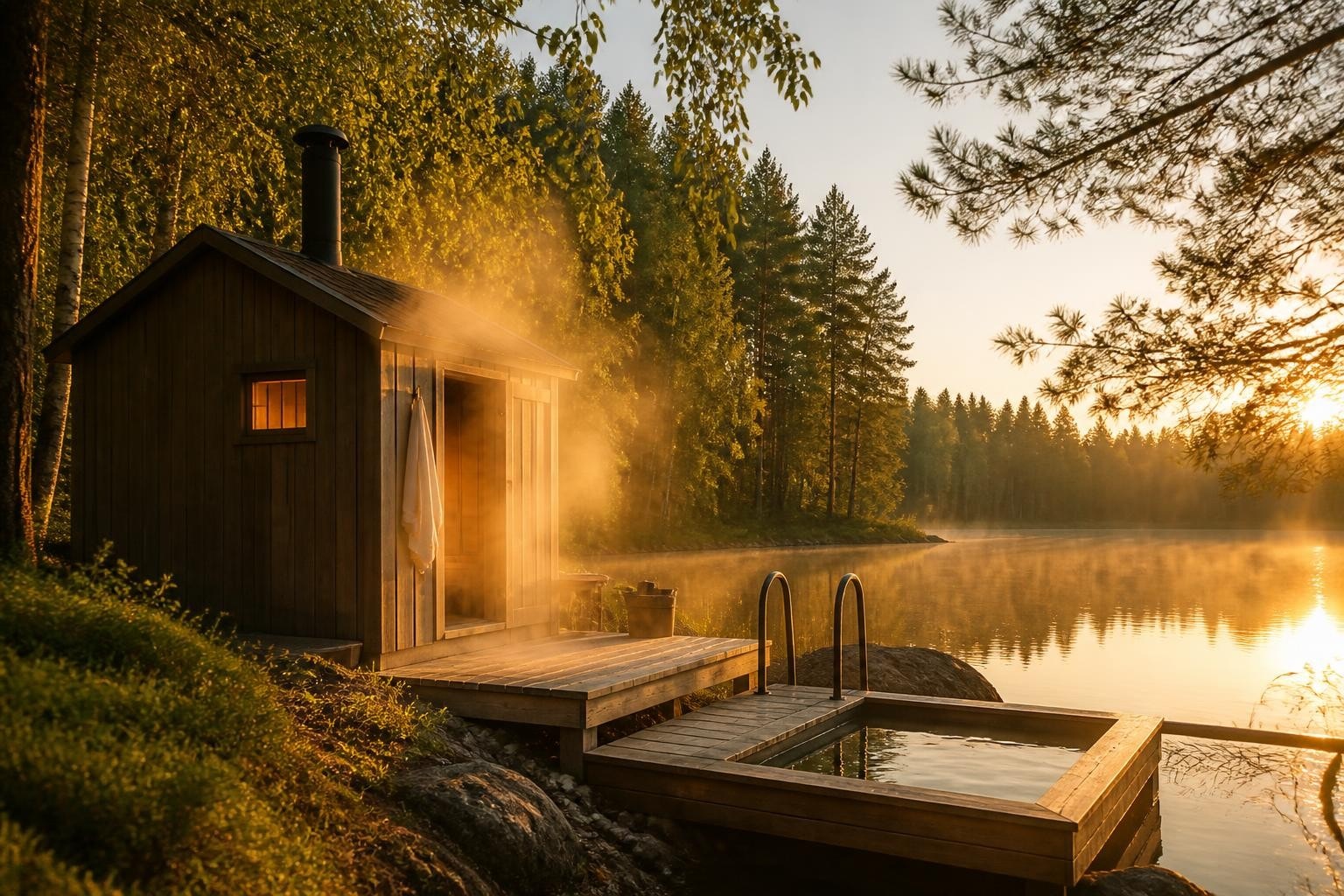
Contrast therapy alternates heat exposure with cold immersion. In Finland, this means sauna heat followed by a cold lake plunge. Repeat the cycle two or three times. The practice is simple. Hot opens blood vessels, cold constricts them. The shift creates a pump effect that moves blood through tissue. This is not a new method. Finns bathed this way before written history.
What Contrast Therapy Actually Does
When you sit in heat, surface blood vessels dilate. Blood moves toward the skin. You sweat. Heart rate rises. After ten or fifteen minutes, you step into cold water. Vessels constrict. Blood moves back toward your core. The alternation creates circulation change that passive rest does not.
Research shows associations between contrast therapy and reduced muscle soreness after exercise. The mechanism likely involves circulation and inflammation markers. Studies do not prove healing. They show patterns in recovery time and reported discomfort.
Temperature and Timing
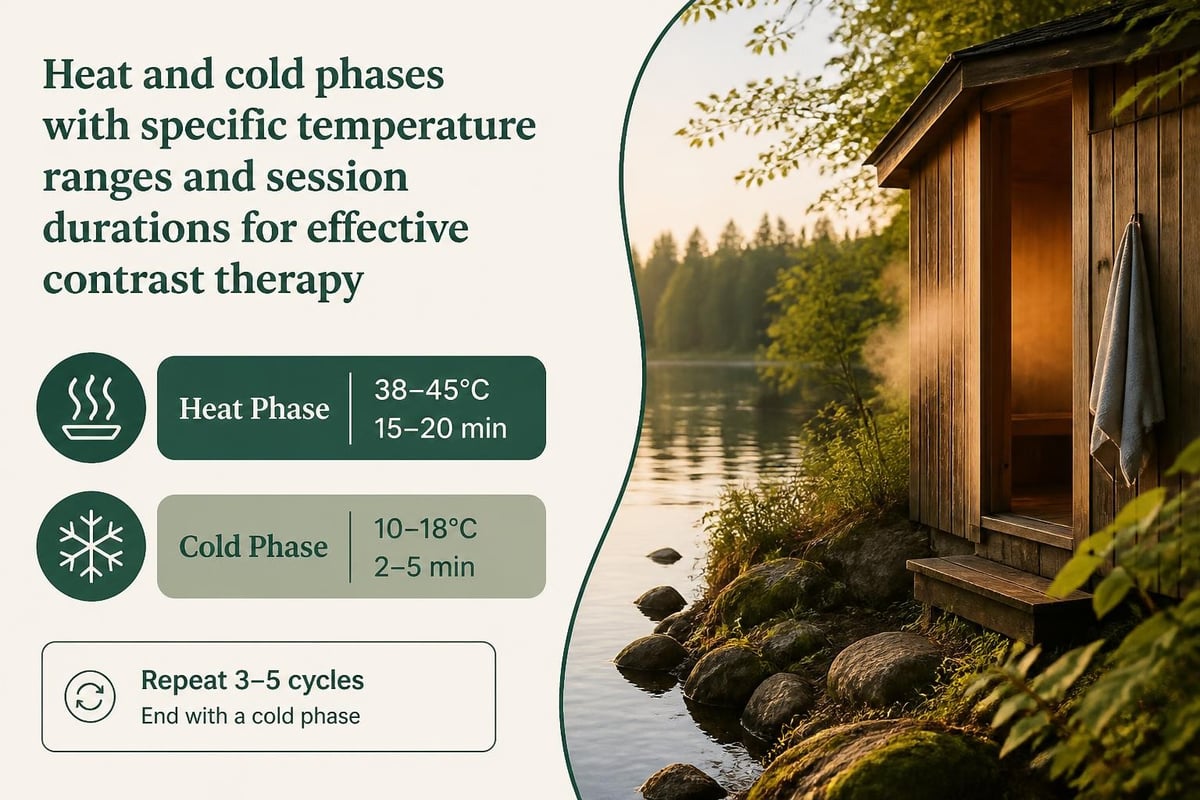
For heat, aim for 160 to 180°F in a traditional steam sauna. Infrared operates at lower temperatures, usually 120 to 140°F, and does not produce the same vascular response. Cold water should be below 60°F. Lakes in Finland sit around 40 to 50°F most of the year.
Session length matters more than you expect:
- Heat phase: 10 to 15 minutes
- Cold phase: 1 to 3 minutes
- Rest between cycles: 5 to 10 minutes
- Total cycles: 2 to 3 rounds
End on cold if your goal is alertness. End on heat if you want to sleep.
Choosing Equipment for Home Contrast Therapy
Most homeowners start with one piece and add the other later. A backyard sauna can stand alone for months. So can a cold plunge. Both together create the full cycle.
| Equipment | Best For | Space Needed |
|---|---|---|
| Barrel sauna | Small yards, fast heat | 6x6 feet |
| Cabin sauna | Families, guests | 8x10+ feet |
| Cold plunge tub | Daily use, chiller option | 4x5 feet |
Traditional saunas use electric heaters with stones. You pour water on hot rocks to create löyly, the moment steam rises and heat surrounds you. This is the core of Finnish sauna. Infrared saunas skip stones and steam. They warm tissue directly. The experience differs. Neither is wrong, but only one produces löyly.
Electric vs. Wood-Fired Heaters
Electric heaters heat faster and hold temperature precisely. Most need 240V. Wood-fired heaters take longer to warm but produce softer, rolling heat. In Eastern Finland, we used wood. It requires more attention and a chimney. For daily home use in North America, electric makes sense.
Heater sizing depends on sauna volume. A 6kW heater suits a 200 cubic foot space. Undersized heaters struggle. Oversized heaters cycle too often. Stone mass matters as much as wattage. More stones mean steadier heat and better steam.
Cold Plunge Options and What Works
You can use a chest freezer, a stock tank with ice, or a dedicated cedar tub with a chiller. Each method has trade-offs.
DIY cold plunge setups:
- Chest freezer conversion (cheap, effective, visually industrial)
- Rubbermaid stock tank with bagged ice (portable, inconsistent temperature)
- Inflatable ice bath (fast setup, short lifespan)
Dedicated cold plunge tubs:
- Cedar construction with HDPE liner
- Built-in chiller or ice-compatible
- Matches outdoor sauna aesthetically
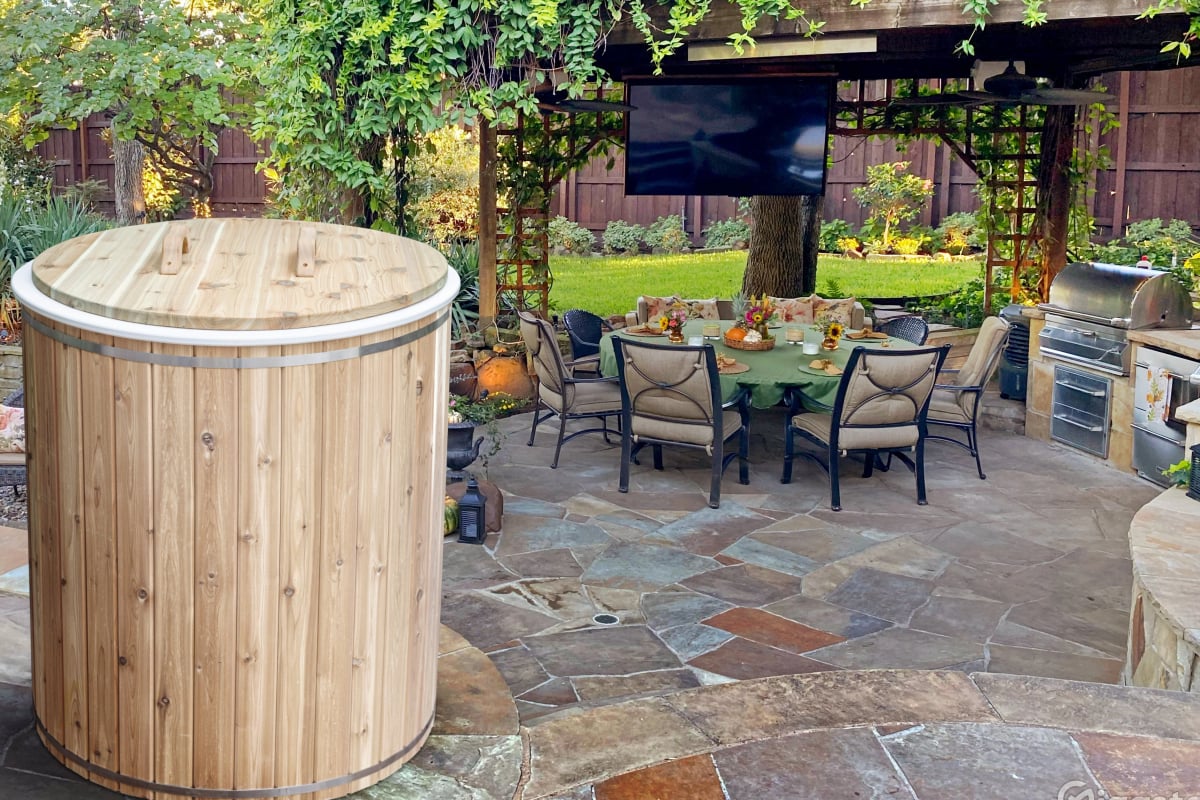
A cold plunge tub like the LeisureCraft Baltic Plunge Tub holds 132 gallons and uses Eastern White Cedar with stainless steel bands. You can use it with ice or add an electric chiller for set-and-forget temperature control. The wood exterior weathers naturally and pairs with an outdoor sauna in the same material.
| Plunge Type | Initial Cost | Temperature Control | Maintenance |
|---|---|---|---|
| Chest freezer | Low | Precise | Moderate |
| Stock tank + ice | Very low | Manual | High |
| Cedar tub + chiller | High | Automated | Low |
Cold water feels sharp at first. Your breath catches. This is normal. Stay calm. Breathe slowly through your nose. The shock fades after thirty seconds. By one minute, you settle. By two minutes, you may feel alert and clear.
Safety and Who Should Avoid Contrast Therapy
Not everyone should alternate hot and cold. The cardiovascular shift is significant. The American Medical Association notes that people with heart conditions, high blood pressure, or circulatory issues should consult a physician before starting.
Avoid contrast therapy if you have:
- Uncontrolled hypertension
- Recent heart surgery or cardiac events
- Pregnancy (especially first trimester)
- Raynaud's disease or severe cold sensitivity
- Open wounds or skin infections
Start conservatively. Use moderate heat, short cold exposure, fewer cycles. Your body adapts over weeks. Pushing too hard on day one leads to dizziness or nausea, not better recovery.
Hydration and Timing Around Meals
You will sweat in the sauna. Drink water before your first round. Sip between cycles. Avoid alcohol before or during sessions. It impairs thermoregulation and increases dehydration risk.
Do not practice contrast therapy immediately after a large meal. Wait at least ninety minutes. Blood flow to your stomach slows in heat, which can cause discomfort.
Building a Contrast Therapy Routine at Home
Consistency matters more than intensity. Three sessions per week produce better results than sporadic hard pushes. Many people sauna on the same evenings they strength train or run. Others prefer morning sessions before work.
A typical home routine:
- Warm up (5 min): Light movement, stretch
- First heat (12 min): Sit quietly, breathe slowly
- First cold (2 min): Full immersion or cold shower
- Rest (8 min): Towel off, drink water
- Second heat (10 min): Pour water on stones if traditional sauna
- Second cold (90 sec): Shorter than first round
- Final rest (10 min): Let body return to baseline
Some people add a third cycle. Others stop after two. Listen to your body. Fatigue or lightheadedness means you are done.
Seasonal Adjustments
In winter, cold plunges feel colder. In summer, saunas feel hotter. Adjust your session length and water temperature accordingly. In Finland, we cut holes in lake ice during winter. The water sits just above freezing. Two minutes becomes one minute. You adapt the practice to conditions, not force conditions to fit a rigid protocol.
During summer, a cold plunge becomes the highlight. The contrast feels sharper when outdoor air is warm. Your body cools faster in winter air after sauna, which changes the rhythm of each cycle.
What the Research Shows About Recovery
Studies on contrast water therapy examine recovery markers after exercise. Results are mixed. Some trials show reduced soreness. Others show no difference compared to passive rest. Most research uses athletes, not general populations.
The mechanisms are not fully clear. Theories include:
- Improved circulation and waste removal from muscle tissue
- Reduced inflammation signaling
- Altered pain perception through temperature stimulation
- Psychological benefits from structured recovery rituals
Runner's World discusses how endurance athletes use contrast therapy between training blocks. The practice may shorten perceived recovery time even when objective measures show small changes.
Comparing Contrast Therapy to Other Recovery Methods
| Method | Time Required | Equipment | Research Support |
|---|---|---|---|
| Contrast therapy | 40-60 min | Sauna + cold plunge | Moderate |
| Massage | 60-90 min | Therapist | Strong |
| Compression garments | Passive | Garments | Weak |
| Active recovery | 20-30 min | None | Strong |
No single method dominates. Many people combine approaches. Contrast therapy fits naturally into evening routines at home, while massage requires scheduling and cost.
How Infrared Saunas Differ in Contrast Therapy
Infrared saunas warm your body without heating the air to traditional sauna temperatures. The heat is gentle and penetrates tissue differently. You do not produce löyly because there are no stones. The experience is quieter and less intense.
For contrast therapy, infrared works but creates a milder vascular response. If your goal is deep circulation change, traditional steam sauna produces stronger effects. If you prefer lower temperatures and longer sessions, infrared may suit you better. Some homeowners install both: a traditional outdoor sauna for full contrast cycles and an infrared sauna for daily gentle warmth.
Infrared models from brands like INFRIUM offer low EMF heating and plug-and-play installation. They work well indoors where a traditional sauna's humidity and ventilation requirements would be challenging.
First-Person: Learning Contrast Therapy on Lake Saimaa
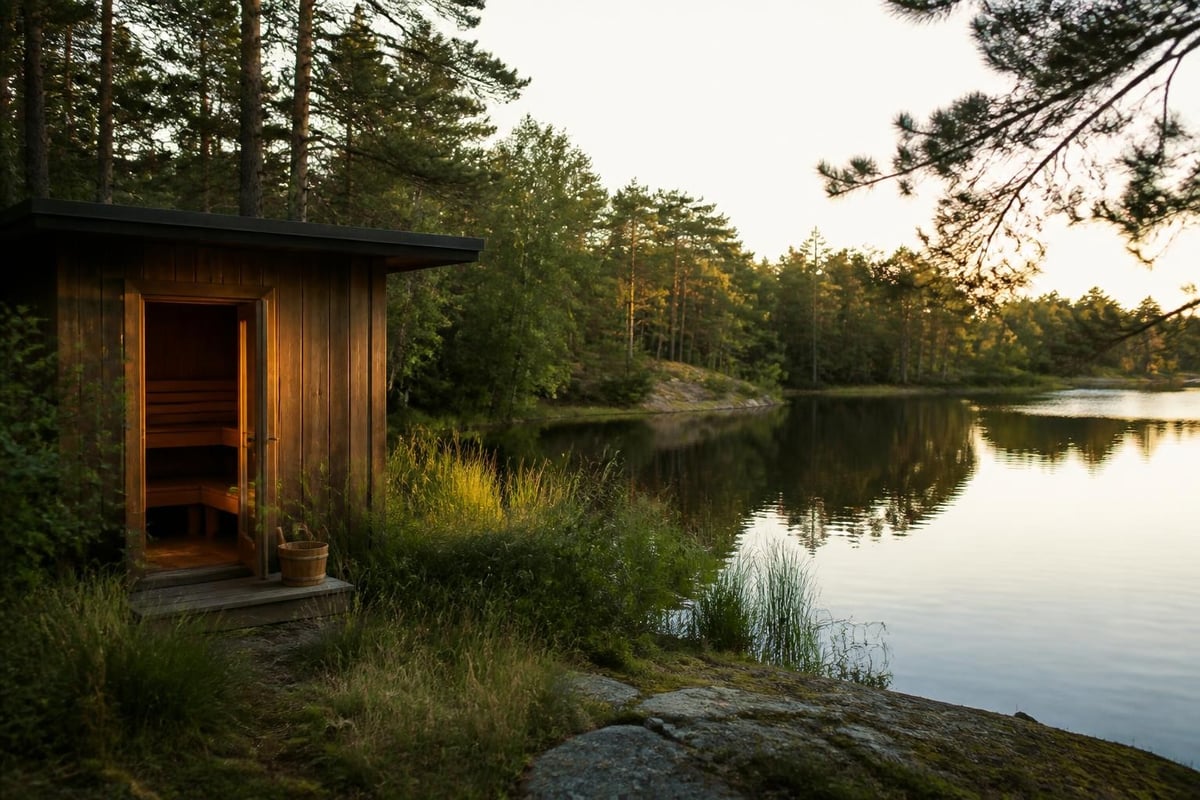
I grew up on Lake Saimaa in Eastern Finland. Our sauna sat thirty feet from the water. We heated it with birch and let the stove burn for two hours. When the stones glowed, we went in. After ten minutes, my father would stand, walk to the dock, and jump. I followed. The lake stayed cold even in July. We climbed out, returned to the sauna, and repeated. No one called it contrast therapy. It was simply how you bathed. The practice taught patience and respect for your body's signals. That rhythm is what I bring to every conversation with RecoSauna customers.
Frequently Asked Questions About Contrast Therapy
How often should I practice contrast therapy?
Two to four times per week allows recovery between sessions. Daily use is safe for most people if sessions are moderate in intensity and duration.
Can I use a cold shower instead of a plunge?
Yes. A cold shower provides temperature contrast but lacks full-body immersion. Immersion produces stronger circulation effects and is closer to traditional practice.
Do I need a traditional sauna or will infrared work?
Both work. Traditional saunas create stronger heat and allow steam (löyly). Infrared offers gentler warmth. Choose based on your temperature preference and available space.
Should I end on heat or cold?
End on cold for alertness and energy. End on heat for relaxation and sleep preparation. Both are valid depending on the time of day and your goals.
What temperature should the cold water be?
Below 60°F for effective contrast. Colder is not always better. Extremely cold water shortens tolerable immersion time and may increase injury risk from rapid cooling.
Contrast therapy is a practice of patience and rhythm, not force. The cycle of heat and cold teaches you to notice your body's signals and adjust accordingly. If you are ready to bring this into your home, I can help you choose the right sauna and cold plunge setup for your yard, climate, and routine. Ask Petri About Your Sauna.
Share:
Barrel Sauna Kit: Complete Guide to Buying and Assembly
Two Person Sauna: Size, Heat, and Real-World Fit