
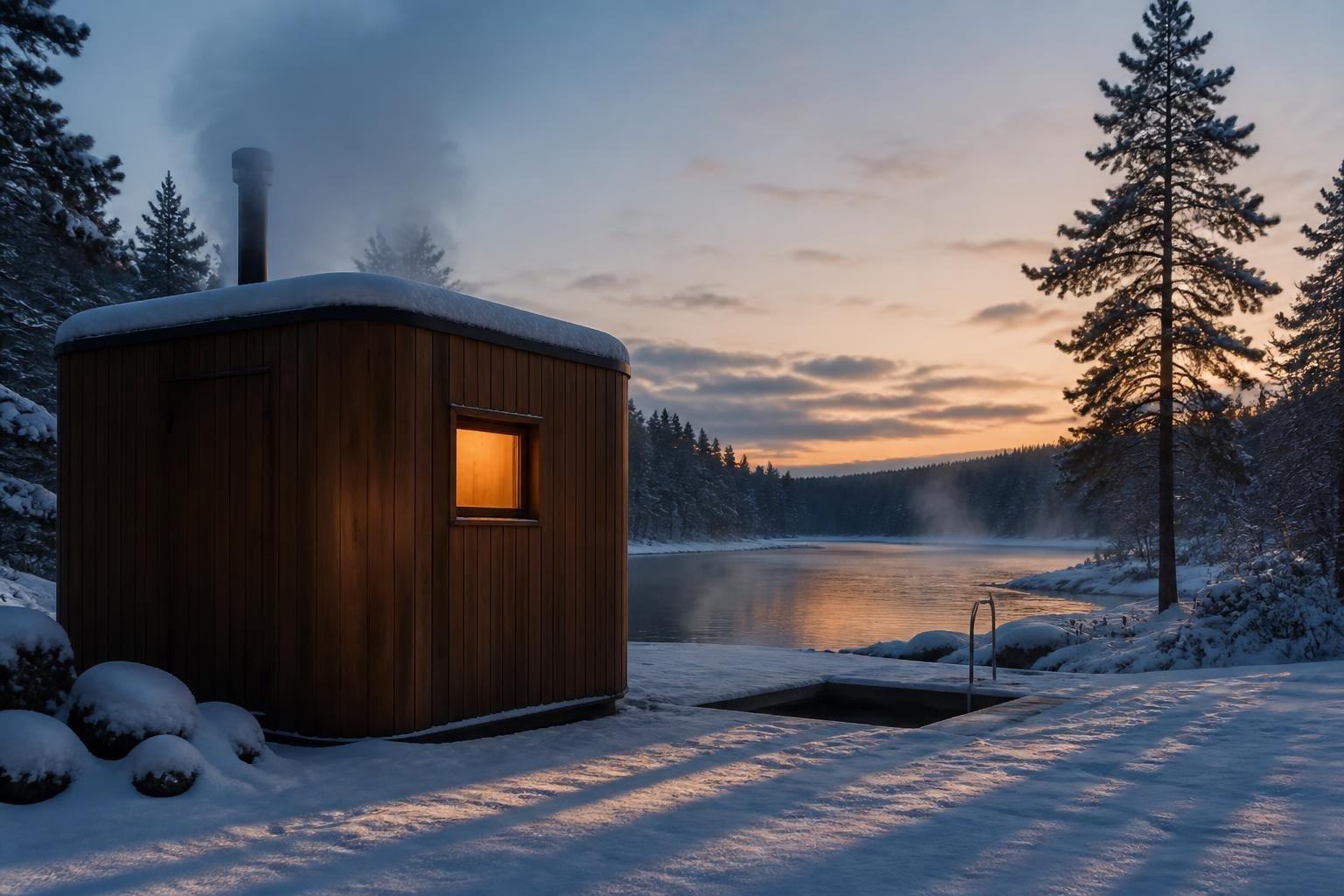
Cold plunge benefits center on cardiovascular response, inflammation reduction, and mental clarity. Research shows associations between cold water immersion and improved circulation, faster recovery after exertion, and shifts in mood regulation. The practice requires precision. Water temperature, immersion duration, and individual health conditions determine whether cold plunges support recovery or stress the body beyond benefit.
What Cold Plunge Benefits Are Supported by Research
Cold water immersion triggers measurable physiological responses. Blood vessels constrict, then dilate. Heart rate changes. The nervous system shifts.
Cardiovascular adaptation appears most consistently in studies. Cold plunges may support heart health by strengthening vascular response, though risks exist for individuals with underlying cardiovascular conditions. Healthy adults typically show improved circulation patterns after regular exposure.
Inflammation and recovery show promise. Athletes report reduced muscle soreness after cold immersion. Research suggests cold water may slow inflammatory processes following intense physical work. The effect is modest, not transformative.
Mood and mental state shift reliably. Cold water triggers release of norepinephrine and dopamine. Users report increased alertness and improved mental clarity lasting hours after immersion. This response is one of the more consistent findings across studies.
Physical Response and Timing
| Response Type | Onset | Duration | Notes |
|---|---|---|---|
| Vasoconstriction | Immediate | 5-10 min | Blood vessels narrow |
| Dopamine release | 1-2 min | 2-3 hours | Alertness increases |
| Heart rate change | Immediate | Variable | Individual response |
Cold plunge benefits depend on water temperature and exposure length. Most research uses 50-59°F (10-15°C) for 10-15 minutes. Colder water requires shorter duration. Warmer water may require longer exposure for similar response.
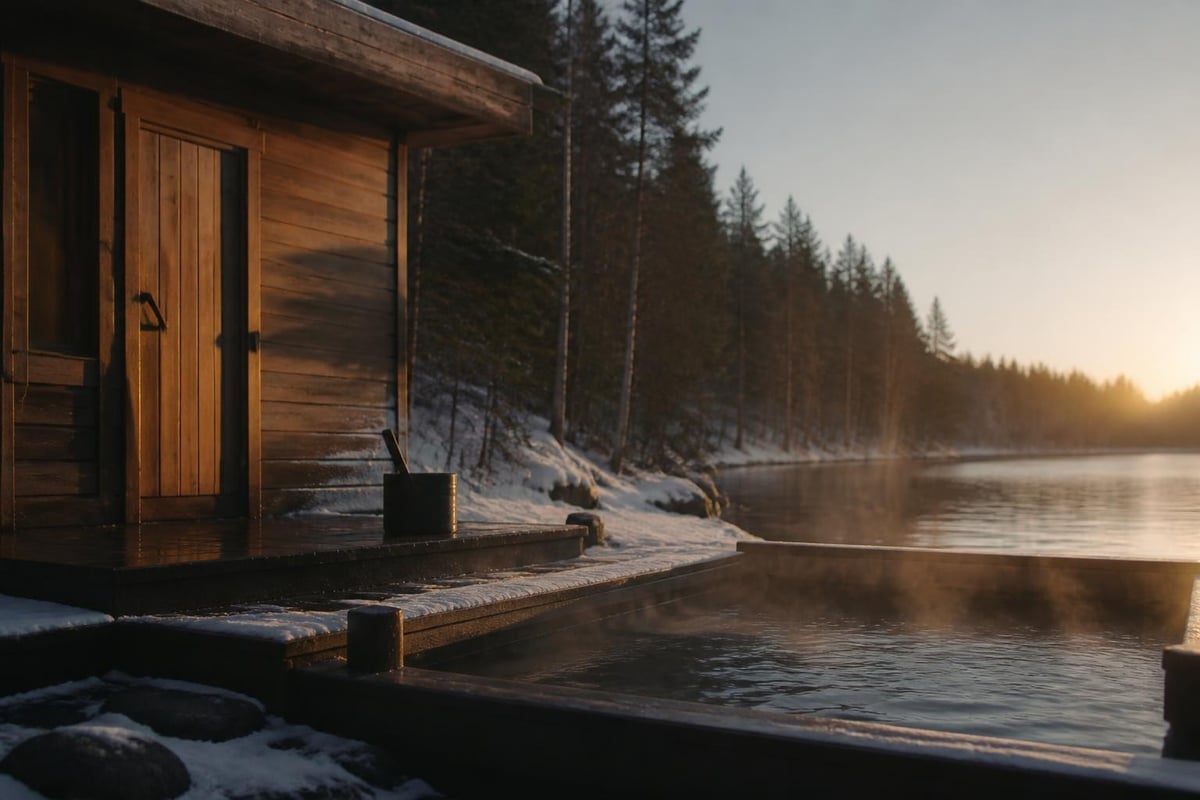
Cold Plunge Benefits vs Risks: What Research Shows
Not everyone benefits equally. Age, cardiovascular health, and current medications influence response.
Documented benefits include:
- Reduced perceived muscle soreness 24-48 hours post-exercise
- Improved reported mood and alertness
- Temporary metabolic increase
- Enhanced circulation in healthy adults
- Better sleep quality in some individuals
Known risks require attention:
- Cardiac stress in individuals with heart conditions
- Cold shock response in unprepared users
- Hypothermia with excessive exposure
- Blood pressure spikes during initial immersion
- Respiratory distress if water is too cold
Research on cold plunges emphasizes individual variation. What helps one person may stress another. Medical clearance matters for anyone over 50 or with cardiovascular history.
Safety Guidelines by Temperature
Water temperature determines safe exposure time. Colder is not automatically better.
| Temperature Range | Safe Duration | Best For |
|---|---|---|
| 50-59°F (10-15°C) | 10-15 min | Regular users |
| 39-49°F (4-9°C) | 2-5 min | Experienced only |
| 60-65°F (15-18°C) | 15-20 min | Beginners |
Start warmer. Build tolerance slowly. The goal is consistent practice, not endurance.
Choosing a Home Cold Plunge: Practical Criteria
Home cold plunge options range from basic stock tanks to built-in chiller systems. Your choice depends on space, climate, and how often you'll use it.
Key decision factors:
- Volume and depth - Full immersion to shoulders requires 100+ gallons. Partial immersion works for some.
- Temperature control - Electric chillers maintain precise temperature. Ice works but requires daily management.
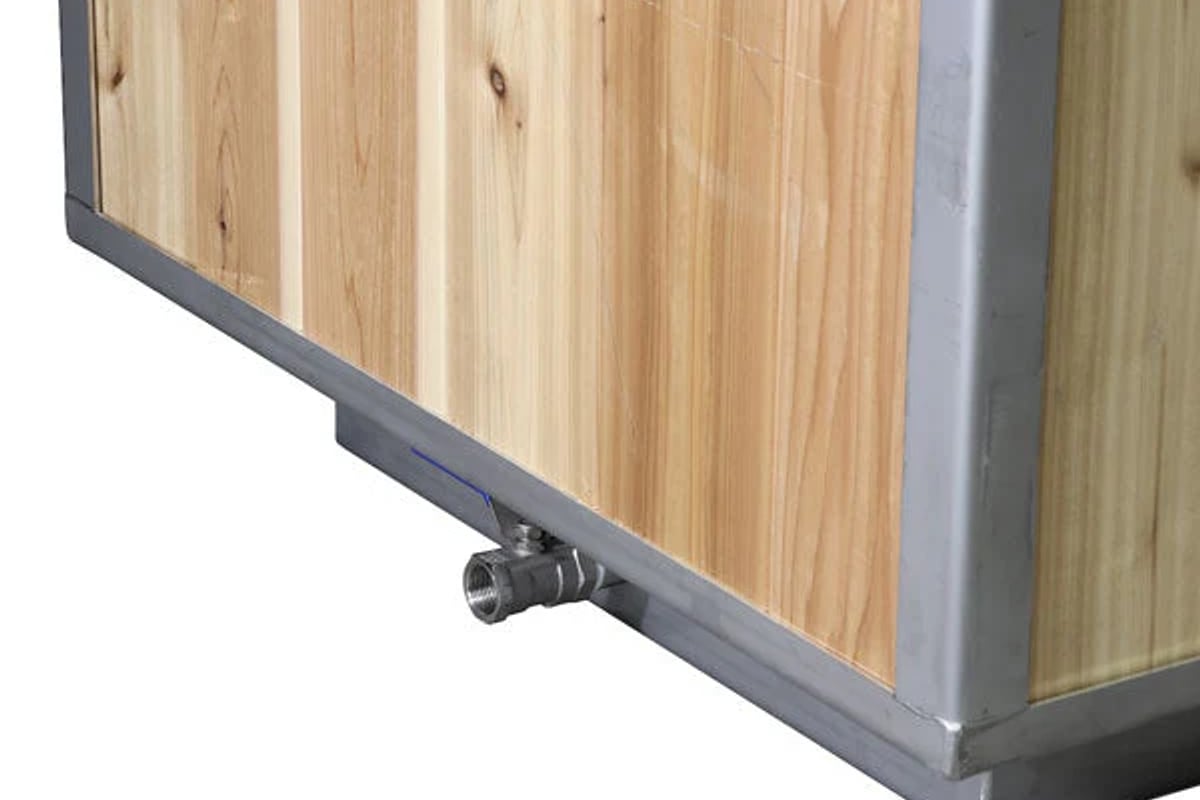
- Material and insulation - Cedar, stainless steel, or HDPE liner. Insulation matters in hot climates.
- Placement - Outdoor beside sauna is traditional. Indoor basement works in cold climates.
- Maintenance - Filtration, cleaning frequency, water replacement schedule.
For those building a contrast therapy routine with sauna, placement near your heat source makes the transition natural. The cycle between hot and cold is where the practice finds its rhythm.
Cold Plunge Types Compared
| Type | Temperature Control | Maintenance | Best Use |
|---|---|---|---|
| Cedar tub + chiller | Electric chiller | Moderate | Daily use |
| Cedar tub + ice | Manual ice | Low | Weekend use |
| Stainless steel + chiller | Built-in system | Low | Premium daily |
A quality cold plunge should last years with minimal upkeep. Cedar requires occasional oiling. Stainless steel needs less care but costs more upfront.
The LeisureCraft Flow Cold Plunge combines natural cedar exterior with stainless steel interior and integrated chiller. It ships ready to use, designed for homeowners who want reliable temperature control without daily ice management.
Cold Plunge Benefits in a Finnish Context
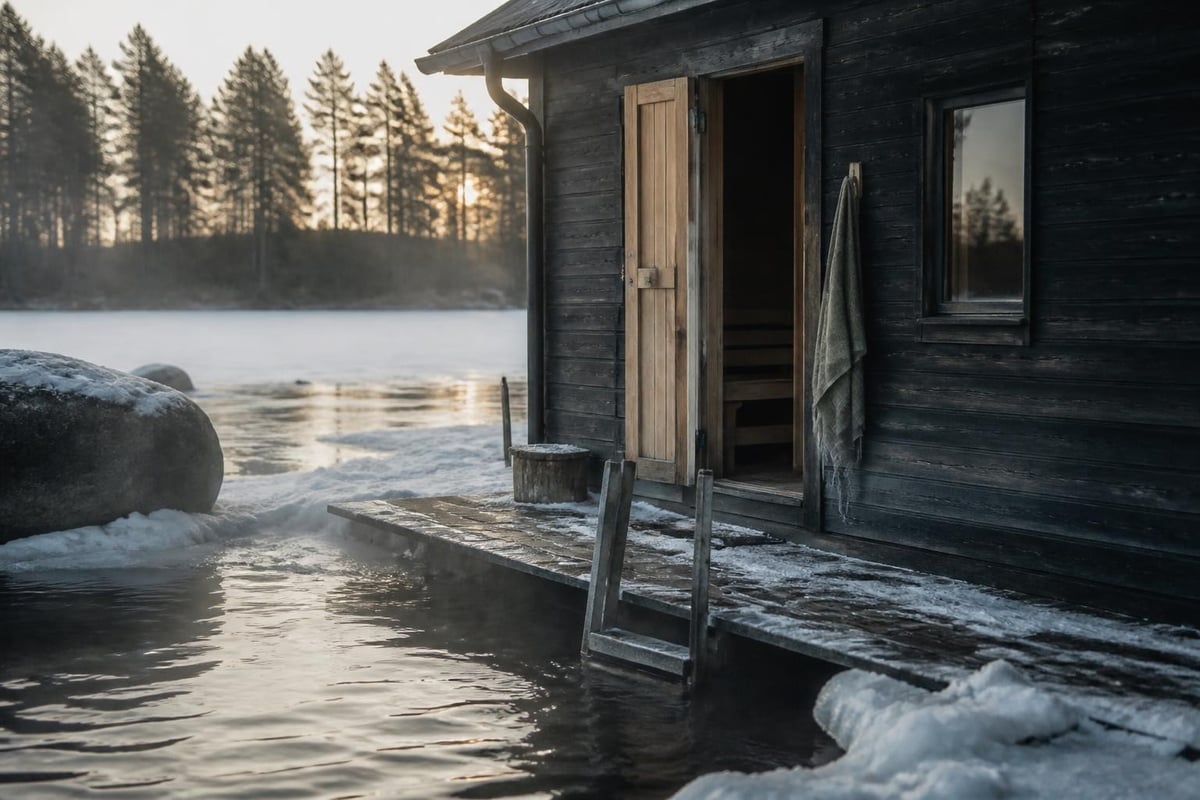
I grew up on Lake Saimaa in Eastern Finland. We cut holes in the ice through winter. After sauna, you went in. The shock never disappeared, but the clarity afterward stayed for hours. That practice shaped how I understand cold water today.
Contrast Therapy: Heat Then Cold
The Finnish approach is not cold alone. It is heat, then cold, then rest. The sequence matters.
Traditional sequence:
- Heat in sauna 15-20 minutes
- Cold plunge 1-3 minutes
- Rest 10-15 minutes
- Repeat 2-3 cycles
Each cycle deepens the cardiovascular response. The rest period allows recovery. Rushing between hot and cold misses the benefit.
Cold plunge benefits increase when paired with heat. Cleveland Clinic research notes improved recovery markers and mood regulation with alternating temperature exposure compared to cold alone.
For homeowners planning both, an outdoor barrel sauna placed near a cold plunge creates the traditional setup. The physical distance between heat and cold should be short enough to maintain the thermal contrast.
Frequency and Protocol: What Works at Home
Daily cold plunges work for some people. Others benefit from 3-4 times weekly. Consistency matters more than frequency.
Beginner approach:
- Start 60-65°F for 5 minutes
- Increase duration before lowering temperature
- Add one session per week gradually
- Pair with sauna if possible
- Track how you feel next day
Established practice:
- 50-55°F for 10-15 minutes
- 4-6 sessions per week
- Morning timing for alertness boost
- Evening timing for sleep support
- Monitor recovery quality
Some research suggests cold water immersion before bed may improve sleep quality, though individual response varies. Others find morning immersion provides better energy through the day.
Time of Day Considerations
| Timing | Reported Benefits | Drawbacks |
|---|---|---|
| Morning | Alertness, energy | May interfere with strength training |
| Post-workout | Recovery support | Timing with meals matters |
| Evening | Sleep quality for some | May increase alertness in others |
Listen to your body's response. If evening plunges leave you alert at bedtime, shift to morning.
Common Questions About Cold Plunge Benefits
How cold should water be for benefits?
Most research uses 50-59°F. Beginners can start at 60-65°F and gradually decrease. Water below 50°F requires experience and shorter exposure.
How long should I stay in?
10-15 minutes at 50-59°F is common in studies. Start with 3-5 minutes. Longer is not necessarily better. Consistent practice at moderate duration outperforms occasional extreme exposure.
Can cold plunges help with inflammation?
Research shows association between cold water immersion and reduced inflammatory markers after exercise. The effect is modest. Cold water slows, not stops, inflammation processes.
Should I plunge before or after exercise?
Post-exercise cold immersion may aid recovery. Pre-exercise cold exposure may reduce muscle activation. For strength training, many avoid cold immediately before. For endurance work, individual preference varies.
Are cold plunges safe for everyone?
No. Individuals with heart conditions should consult physicians before starting. Pregnancy, uncontrolled hypertension, and certain medications require medical clearance. Healthy adults generally tolerate cold water well with gradual adaptation.
Mental Health and Mood: The Clearest Benefit
Cold plunge benefits for mental state appear more consistent than physical recovery claims. The immediate shock triggers a stress response, followed by adaptation.
Neuroscientist Andrew Huberman explains the nervous system effects of cold exposure, detailing how deliberate cold exposure can shift mental resilience. The practice builds tolerance to discomfort.
Reported mental effects:
- Increased alertness lasting 2-4 hours
- Improved mood regulation
- Reduced anxiety symptoms in some users
- Enhanced mental clarity
- Better stress management
The Atlantic notes that mental health benefits may be the primary value, with physical health claims often overstated. The psychological component, the act of choosing discomfort, appears significant.
This is not therapy. It is practice. Some people respond strongly. Others feel minimal difference.
Building a Cold Plunge Practice at Home
Start small. A simple setup teaches you whether cold water works for your body before investing in permanent equipment.
Phase one: Testing (1-2 months)
- Use cold shower finish for 30-60 seconds
- Note mental and physical response
- Track sleep and energy patterns
- Determine preferred timing
Phase two: Dedicated practice (3-6 months)
- Install basic tub or tank
- Use ice or chiller for temperature control
- Establish consistent schedule
- Refine duration and temperature
Phase three: Integration (6+ months)
- Add sauna for full contrast therapy
- Fine-tune protocol for your goals
- Consider permanent installation
- Maintain equipment properly
The investment makes sense when you know cold water benefits your specific body and lifestyle. Many homeowners research for months, which is appropriate for a practice you'll use for years.
For those ready to add cold immersion to their home wellness routine, proper equipment ensures consistent temperature and safe practice. Quality matters when you're using something daily.
Cold plunge benefits center on cardiovascular adaptation, recovery support, and mental clarity, though individual response varies significantly. Research shows associations, not guarantees, with consistent practice at appropriate temperatures providing the clearest results. At RecoSauna, we help homeowners build authentic contrast therapy setups with guidance from Finnish tradition and modern research. Petri answers every question personally, drawing from Lake Saimaa childhood practice and decades of sauna culture. Ask Petri about your sauna and cold plunge setup.
Share:
2 Person Outdoor Sauna: Size, Heat & Placement Guide
Sunlighten Sauna Review: What You Should Know in 2026