
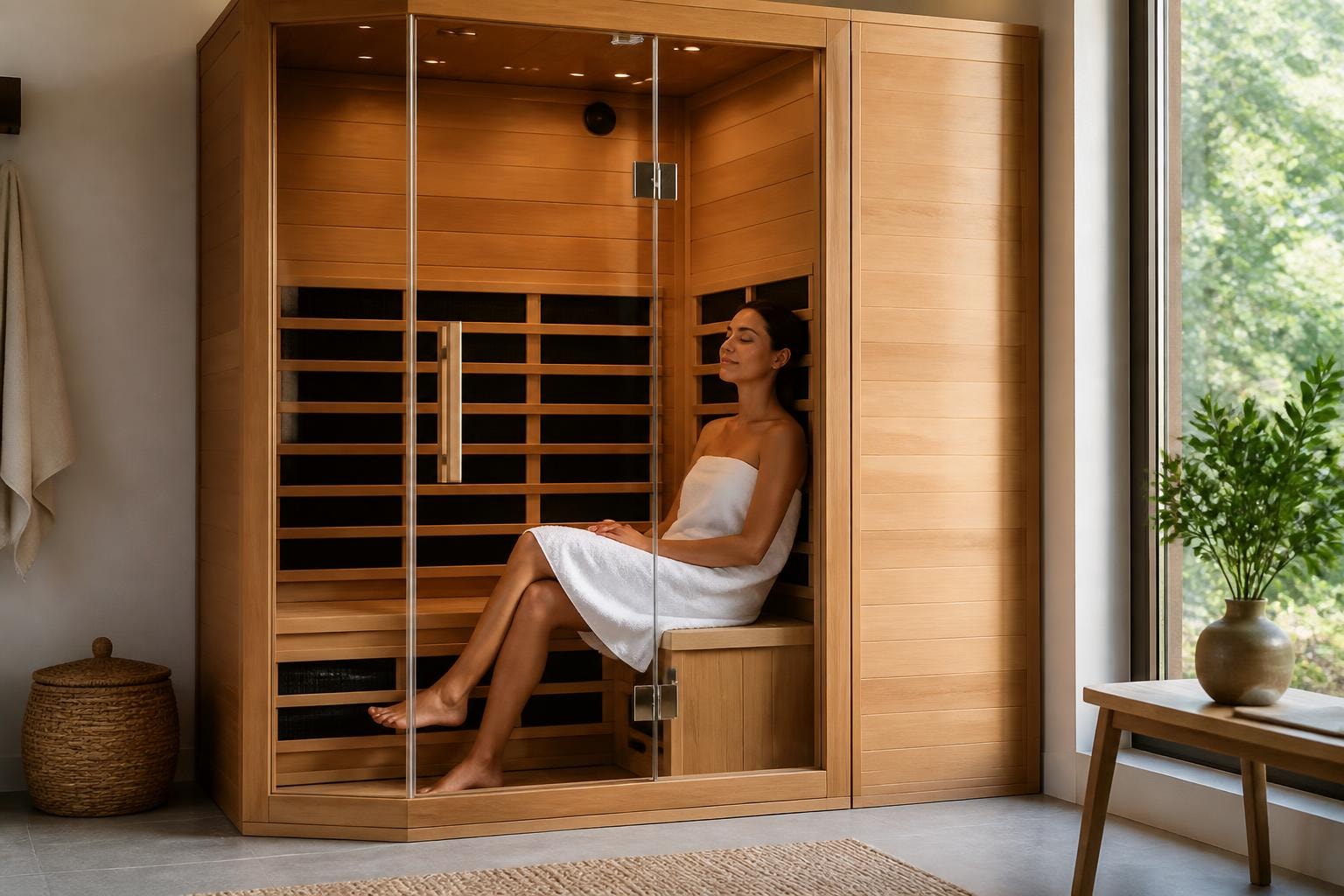
The canadian infrared sauna market has experienced remarkable growth as homeowners increasingly prioritize wellness and seek therapeutic heat experiences in the comfort of their own homes. These specialized units combine traditional Canadian craftsmanship with advanced infrared heating technology, delivering a distinctive approach to relaxation and health that differs significantly from conventional steam saunas. Understanding what sets Canadian-made infrared saunas apart can help you make an informed decision for your wellness investment.
What Defines a Canadian Infrared Sauna
A canadian infrared sauna represents the intersection of premium North American manufacturing standards and cutting-edge infrared technology. Unlike traditional saunas that heat the air around you, infrared saunas use electromagnetic radiation to directly warm your body at lower ambient temperatures.
Construction Materials and Quality Standards
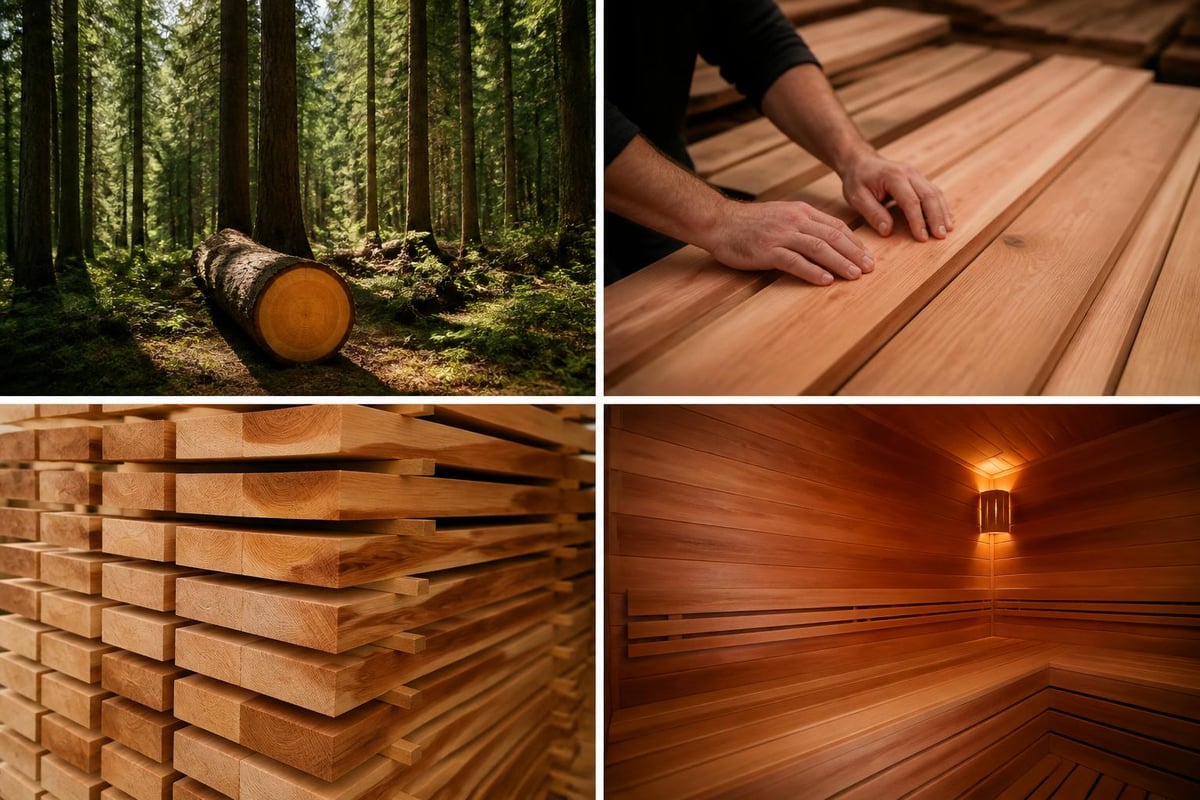
Canadian manufacturers typically build infrared saunas using locally sourced timber, with red cedar and Eastern white cedar being the most popular choices. These woods offer natural resistance to moisture, aromatic qualities, and structural integrity that withstands years of heat cycling.
Key construction features include:
- Premium-grade Canadian reforested red cedar or hemlock
- Tongue-and-groove joinery for superior insulation
- Tempered glass doors and windows for safety
- Low-EMF (electromagnetic field) heating panels
- Pre-wired electrical systems meeting North American codes
The craftsmanship standards in Canadian sauna production reflect generations of woodworking expertise combined with modern safety certifications. Many manufacturers maintain memberships with organizations that validate their construction quality and authentic design approaches.
Health Benefits and Therapeutic Applications
The therapeutic benefits of infrared saunas have gained significant attention from health professionals and wellness enthusiasts alike. A canadian infrared sauna operates at temperatures between 120-140°F, considerably lower than traditional saunas that reach 180-200°F, making sessions more comfortable for extended periods.
Cardiovascular and Circulation Improvements
Research indicates that regular infrared sauna use may support cardiovascular health through improved blood flow and reduced arterial stiffness. The Cleveland Clinic highlights how infrared heat penetrates deeper into tissue, potentially supporting heart health through increased circulation.
| Benefit Category | Mechanism | Typical Timeline |
|---|---|---|
| Muscle Recovery | Increased blood flow to tissues | Immediate to 24 hours |
| Sleep Quality | Thermoregulation and relaxation | 2-4 weeks regular use |
| Detoxification | Enhanced sweating response | Ongoing with each session |
| Skin Health | Improved circulation to dermis | 4-8 weeks regular use |
Pain Relief and Muscle Recovery
Athletes and individuals managing chronic pain conditions frequently turn to infrared sauna therapy for relief. The penetrating heat reaches muscles and joints more effectively than surface heating methods, potentially reducing inflammation and supporting the body's natural recovery processes.
Deep tissue warmth may help with:
- Post-workout muscle soreness
- Joint stiffness from arthritis
- Chronic back pain
- Tension headaches
- General stress reduction
Types of Infrared Technology
Understanding the spectrum of infrared heat helps you select the right canadian infrared sauna for your specific wellness goals. Manufacturers integrate different infrared wavelengths, each offering distinct therapeutic properties.
Near, Mid, and Far Infrared Comparison
Far infrared (FIR) represents the most common technology in home saunas, penetrating approximately 1.5-2 inches into tissue. This wavelength excels at promoting sweating and supporting the body's natural detoxification pathways.
Mid infrared (MIR) reaches slightly less deep but may better support circulation and pain relief. Some research suggests mid-infrared wavelengths effectively target soft tissue inflammation.
Near infrared (NIR) operates at the shortest wavelength, primarily affecting surface-level tissue and potentially supporting skin rejuvenation and wound healing.
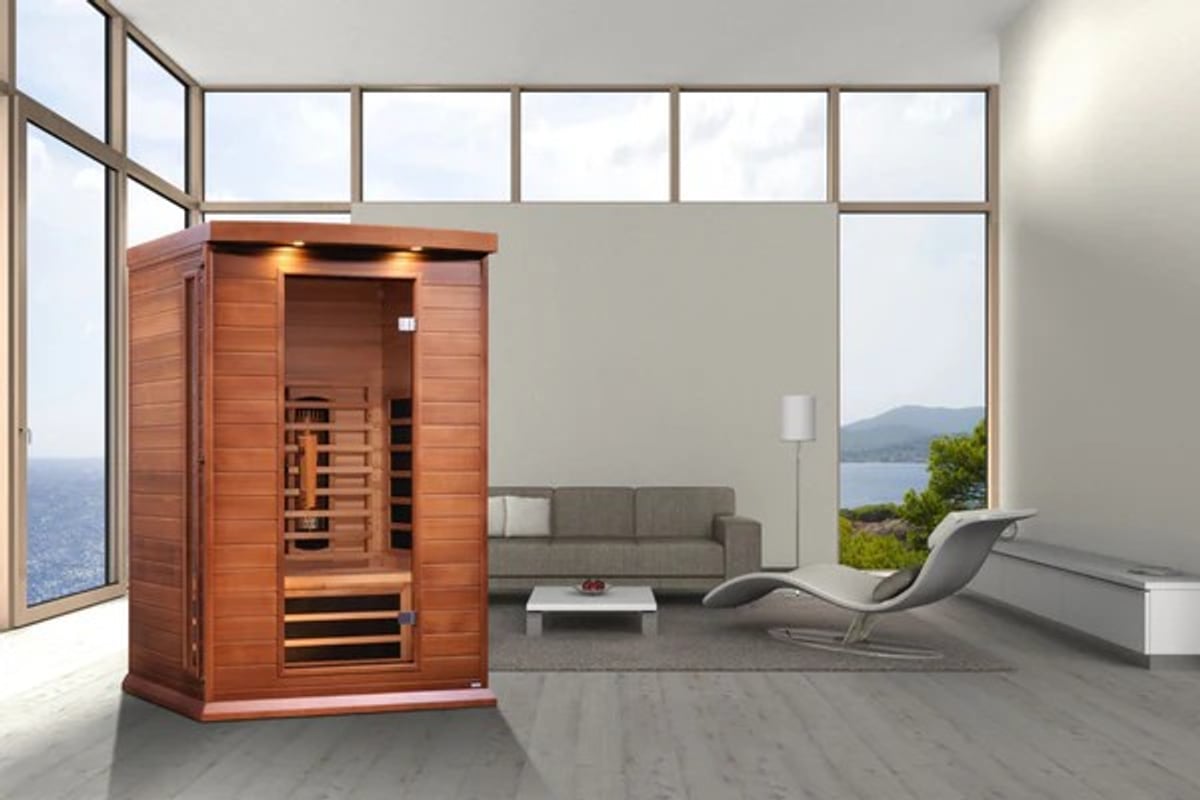
Full-spectrum canadian infrared saunas incorporate all three wavelengths, allowing users to experience the combined benefits. The Maxxus 2 Person Full Spectrum IR Sauna exemplifies this approach, featuring Canadian reforested red cedar construction with integrated near, mid, and far infrared heating panels that work synergistically to support circulation, relaxation, and overall wellness.
Carbon vs. Ceramic Heaters
The heating element technology significantly impacts your sauna experience. Carbon fiber heaters distribute heat more evenly across larger surface areas and typically consume less electricity. Ceramic heaters concentrate heat more intensely but may create hot spots.
Modern canadian infrared sauna manufacturers often combine both technologies, positioning carbon panels along the back and sides while using ceramic elements for targeted leg and foot heating.
Size and Capacity Considerations
Selecting the appropriate size canadian infrared sauna depends on available space, number of users, and installation location. Manufacturers offer models ranging from compact one-person units to spacious four-person configurations.
Indoor vs. Outdoor Installation
Indoor saunas integrate seamlessly into basements, spare bedrooms, or dedicated wellness rooms. These plug-and-play units require standard 120V or 240V electrical connections and minimal assembly. Climate control remains consistent year-round, and accessibility proves convenient for daily use.
Outdoor models create dedicated backyard wellness spaces but require weather-resistant construction and proper foundation preparation. Canadian-made outdoor infrared saunas typically feature enhanced waterproofing and UV-resistant finishes to withstand diverse climate conditions.
| Capacity | Dimensions (avg) | Best For | Power Requirements |
|---|---|---|---|
| 1-2 Person | 4' x 4' x 6.5' | Individual use, small spaces | 120V, 15-20 amp |
| 2-3 Person | 5' x 4' x 6.5' | Couples, regular use | 120V or 240V |
| 3-4 Person | 6' x 5' x 6.5' | Families, social sessions | 240V, 30 amp |
Premium Features and Technology Integration
Contemporary canadian infrared sauna designs incorporate amenities that enhance the user experience beyond basic heating functionality. These features transform a simple heat session into a comprehensive wellness ritual.
Entertainment and Ambient Systems
- Bluetooth and MP3 connectivity for personalized audio experiences
- Chromotherapy lighting with programmable color sequences
- Reading lights for meditation or light activities
- Ventilation controls for airflow customization
- Interior accent lighting creating ambiance
Digital control panels with touchscreen interfaces allow precise temperature adjustments and session timing. Some advanced models include smartphone integration for remote monitoring and pre-heating capabilities.
Safety Features and Certifications
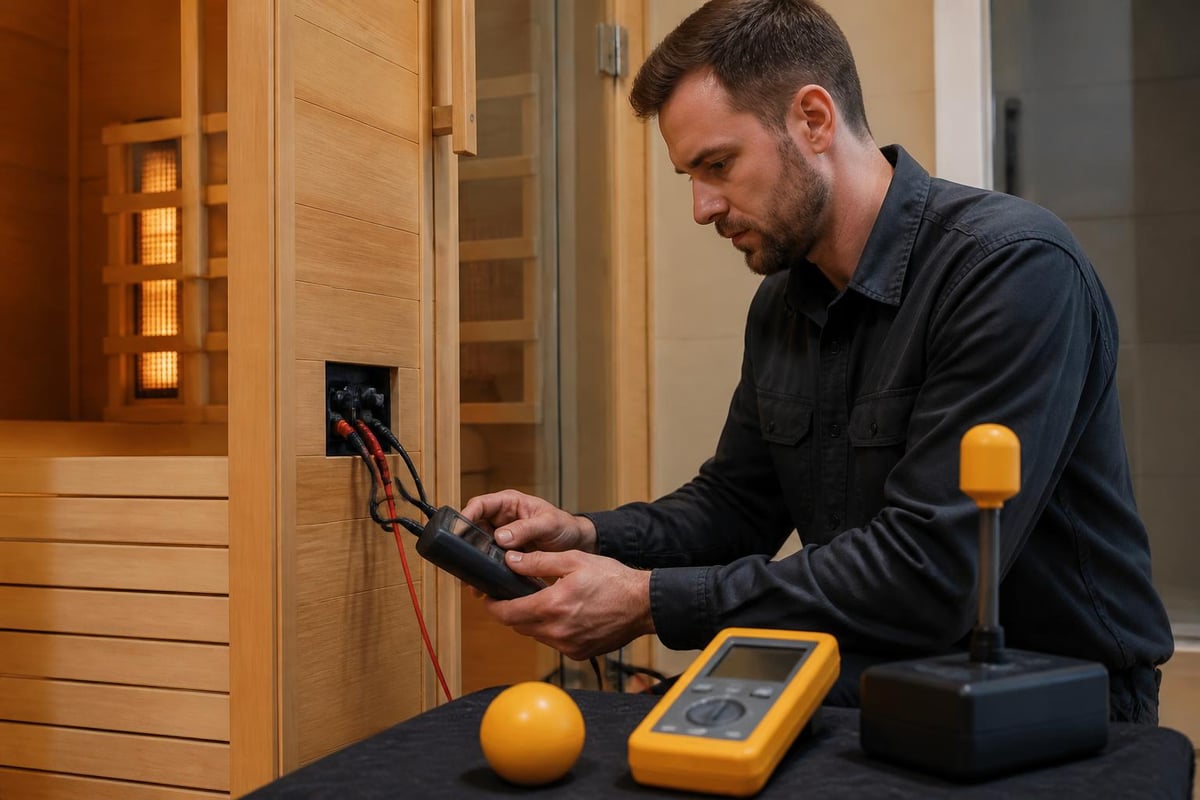
Canadian manufacturers prioritize user safety through multiple protective systems. Automatic shutoff timers prevent overheating, while low-EMF shielding minimizes electromagnetic field exposure to levels well below international safety standards.
Look for certifications including:
- ETL or CSA electrical safety approval
- Low-EMF testing documentation
- Sustainable forestry certifications (FSC or SFI)
- North American building code compliance
Maintenance and Operating Costs
A canadian infrared sauna requires minimal maintenance compared to traditional wet saunas, but understanding care requirements ensures longevity and optimal performance. Operating expenses remain moderate when compared to gym memberships or regular spa visits.
Routine Care Requirements
The natural antimicrobial properties of cedar minimize mold and mildew concerns, but regular cleaning maintains hygiene and appearance. Wipe down benches and walls after each use with a damp cloth. Avoid harsh chemicals that might damage the wood's natural oils.
Monthly maintenance tasks:
- Vacuum vents and heating panel surfaces
- Check door seals and hinges for wear
- Inspect electrical connections for security
- Clean glass surfaces with appropriate cleaner
- Treat wood surfaces with recommended conditioner (quarterly)
Energy Consumption and Efficiency
Most canadian infrared saunas operate on standard household electrical circuits and consume between 1.5-3.0 kilowatts per hour during active heating. Pre-heating typically takes 10-15 minutes, significantly less than traditional saunas requiring 30-45 minutes.
Monthly operating costs depend on usage frequency and local electricity rates. A typical household using their infrared sauna 4-5 times weekly might expect $15-30 in additional monthly electrical costs, substantially less than commercial spa memberships.
Safety Precautions and Contraindications
While infrared saunas offer numerous benefits, certain individuals should exercise caution or consult healthcare providers before use. Understanding potential risks and contraindications ensures safe and beneficial experiences.
Medical Considerations
People with specific health conditions should seek medical clearance before beginning regular canadian infrared sauna sessions. Contraindications detailed by wellness experts include cardiovascular conditions, pregnancy, certain medications, and acute injuries.
Conditions requiring medical consultation:
- Unstable angina or recent heart attack
- Severe aortic stenosis
- Pregnancy (especially first trimester)
- Multiple sclerosis or other heat-sensitive conditions
- Medications affecting thermoregulation
Best Practices for Safe Use
Hydration represents the most critical safety factor. Drink 16-24 ounces of water before your session and replenish fluids afterward. Limit initial sessions to 15-20 minutes, gradually increasing to 30-40 minutes as your body adapts.
Monitor your body's signals throughout the session. Exit immediately if you experience dizziness, nausea, or excessive discomfort. Never consume alcohol before or during sauna use, as it impairs your body's heat regulation mechanisms.
Choosing Between Canadian Brands and Models
The canadian infrared sauna market includes several respected manufacturers, each offering distinct approaches to design, materials, and feature integration. Comparing options helps identify the best match for your specific needs and budget.
Premium vs. Entry-Level Options
Entry-level models focus on essential functionality with basic heating systems and minimal amenities. These units typically feature single-spectrum far infrared technology and simple manual controls, making them accessible for budget-conscious buyers.
Premium canadian infrared saunas incorporate full-spectrum heating, advanced control systems, superior wood grades, and enhanced aesthetic details. Construction quality often includes thicker wall panels, reinforced framing, and lifetime warranties on structural components.
Customization Options
Many Canadian manufacturers offer customization beyond standard configurations:
- Wood species selection (red cedar, hemlock, basswood)
- Heater placement and quantity adjustments
- Bench configuration (L-shaped, straight, tiered)
- Exterior finish options
- Glass tinting and privacy levels
Working directly with manufacturers or authorized dealers like those featured on platforms such as RecoSauna provides access to customization consultations and expert guidance for selecting the optimal configuration.
Installation and Assembly Considerations
Most canadian infrared sauna models arrive as pre-fabricated panels requiring assembly similar to furniture construction. Understanding the installation process helps set realistic expectations for setup time and required skills.
DIY Assembly vs. Professional Installation
Standard indoor units typically allow DIY assembly with basic tools and 2-3 hours of time. Manufacturers provide detailed instructions, and many panels feature tongue-and-groove connections that snap together without specialized expertise.
Tools typically required:
- Power drill with Phillips bits
- Level
- Rubber mallet
- Measuring tape
- Wire strippers (for electrical connections)
Professional installation makes sense for complex outdoor models, integrated home designs, or situations requiring custom electrical work. Licensed electricians should handle any dedicated circuit installation or electrical panel upgrades.
Foundation and Location Requirements
Indoor saunas require level, solid flooring capable of supporting 400-800 pounds depending on size. Hardwood, tile, or concrete foundations work well, while carpet may compress over time. Ensure adequate clearance around the unit for ventilation and access-typically 2-3 inches on sides and 6 inches at the rear.
Outdoor canadian infrared sauna installations need weather-resistant foundations such as concrete pads, composite decking, or gravel bases with proper drainage. Consider proximity to electrical sources and protection from direct weather exposure.
Comparing Heat Therapy Methods
The wellness industry offers various heat therapy approaches, and understanding how a canadian infrared sauna compares to alternatives helps contextualize its unique benefits. Each modality delivers distinct experiences and therapeutic effects.
Infrared vs. Traditional Sauna
Traditional Finnish saunas heat air to 180-200°F using wood-burning or electric stoves, often with steam created by water on hot rocks. This creates an intense environment that some find overwhelming but produces vigorous sweating.
Canadian infrared saunas maintain lower ambient temperatures (120-140°F) while delivering deep tissue warming through electromagnetic radiation. This allows longer, more comfortable sessions with potentially greater tissue penetration.
Alternative Heat Therapy Options
Recent research comparing heat therapy methods suggests hot tubs may offer certain cardiovascular benefits similar to saunas. However, infrared saunas provide distinct advantages for those seeking dry heat, space efficiency, and lower operating costs compared to maintaining heated water systems.
Steam rooms operate at lower temperatures than traditional saunas but with 100% humidity, creating different respiratory and skin effects. The choice between these modalities depends on personal preferences, available space, and specific wellness goals.
Investment Value and Long-Term Benefits
Evaluating a canadian infrared sauna as a long-term wellness investment requires considering both financial and health returns. Quality units deliver decades of service when properly maintained, while regular use may reduce other healthcare and wellness expenses.
Cost-Benefit Analysis
| Expense Category | Annual Cost (Infrared Sauna) | Alternative Annual Cost |
|---|---|---|
| Equipment/Installation | $2,000-6,000 (one-time) | N/A |
| Maintenance | $50-150 | N/A |
| Energy | $180-360 | N/A |
| Gym/Spa Membership | $0 | $600-2,400 |
| Total Year 1 | $2,230-6,510 | $600-2,400 |
| Total Year 5 | $3,130-8,110 | $3,000-12,000 |
Beyond direct cost comparisons, home wellness equipment offers convenience, privacy, and unlimited access that commercial facilities cannot match. The ability to incorporate heat therapy into daily routines without commute time significantly increases adherence to wellness practices.
Resale Value Considerations
Quality canadian infrared sauna units maintain reasonable resale value, particularly when well-maintained and from recognized manufacturers. Outdoor models that enhance property aesthetics may increase home value, though this varies by market and buyer preferences.
Portable indoor models transfer easily to new residences, protecting your investment even if you relocate. Built-in custom installations become permanent home features that appeal to wellness-focused buyers.
Integration with Comprehensive Wellness Programs
Maximizing benefits from your canadian infrared sauna involves integrating heat therapy into broader wellness routines. Combining infrared sessions with complementary practices creates synergistic effects that enhance overall health outcomes.
Pre and Post-Workout Applications
Athletes increasingly incorporate infrared sauna sessions into training regimens. Pre-workout warming may improve flexibility and muscle preparation, while post-exercise sessions support recovery by increasing blood flow to fatigued tissues and potentially reducing delayed-onset muscle soreness.
Timing considerations for athletic use:
- Pre-workout: 10-15 minute session 30-60 minutes before training
- Post-workout: 20-30 minute session within 2 hours of training
- Recovery days: 30-45 minute relaxation-focused sessions
- Competition prep: Modified timing based on performance schedule
Meditation and Mindfulness Practices
The quiet, warm environment of a canadian infrared sauna creates ideal conditions for meditation and breathing exercises. Many users find the combination of gentle heat and intentional relaxation deepens their mindfulness practice and reduces stress more effectively than either practice alone.
Consider incorporating guided meditation apps through Bluetooth connectivity, practicing breathing techniques during sessions, or simply using the time for unplugged reflection away from digital distractions.
Environmental and Sustainability Factors
Canadian sauna manufacturers increasingly emphasize environmental responsibility through sustainable forestry practices, energy-efficient designs, and reduced chemical treatments. These considerations appeal to eco-conscious consumers while supporting forest health.
Sustainable Timber Sourcing
Reputable canadian infrared sauna producers source wood from certified sustainable forests where harvesting follows strict environmental protocols. Look for Forest Stewardship Council (FSC) or Sustainable Forestry Initiative (SFI) certifications indicating responsible forest management.
Eastern white cedar and Canadian red cedar regenerate relatively quickly compared to hardwoods, and reforestation programs ensure long-term timber availability. These species grow abundantly in Canadian forests, minimizing transportation impacts compared to imported exotic woods.
Energy Efficiency Standards
Modern infrared heating technology consumes significantly less energy than traditional sauna heaters while delivering effective therapeutic heat. Low-EMF panels optimize electrical conversion efficiency, and improved insulation reduces heat loss.
Some manufacturers incorporate eco-friendly construction practices:
- Water-based wood finishes instead of chemical stains
- LED lighting systems for minimal energy consumption
- Recyclable packaging materials
- Modular designs allowing component replacement versus full unit disposal
Investing in a canadian infrared sauna represents a commitment to long-term wellness, combining premium North American craftsmanship with therapeutic heat technology. Understanding the features, benefits, and considerations outlined in this guide empowers you to select a model that aligns with your health goals, space requirements, and budget. Whether you're seeking relief from chronic pain, enhanced athletic recovery, or simply a dedicated space for daily relaxation, RecoSauna offers a curated selection of premium Canadian timber saunas and infrared models from leading North American brands to meet your specific wellness needs.
Share:
Home with Sauna: Your Complete Planning & Installation Guide
Almost Heaven Barrel Sauna: The Complete 2026 Guide