

The term "the hot box sauna" refers to a specific hybrid sauna design that combines infrared heating technology with red light therapy in a compact enclosure. The original Hot Box Sauna product emerged as a portable solution aimed at making heat therapy more accessible. Beyond that specific brand, the phrase describes a category of smaller, sealed infrared units that prioritize intense heat in limited space. This differs from traditional Finnish saunas, which rely on löyly-steam created when water meets hot stones-and outdoor barrel or cabin designs built for ventilation and gradual warmth.
What Makes The Hot Box Sauna Different
The hot box sauna concept centers on hybrid technology rather than a single heat source. Most models combine far-infrared panels with near-infrared or red light elements. This dual approach targets different tissue depths. Far-infrared penetrates deeper to warm the body from within, while near-infrared and red light work closer to the skin surface.
Traditional saunas, whether outdoor barrel designs or indoor cabin models, heat the air around you first. A Finnish sauna might reach 160 to 180°F, with humidity controlled by water on stones. The hot box sauna typically operates between 120 and 150°F, relying on radiant heat rather than ambient air temperature.
Heat Delivery and Session Experience
| Feature | The Hot Box Sauna | Traditional Finnish Sauna | Standard Infrared Sauna |
|---|---|---|---|
| Heat source | Hybrid IR + red light | Electric or wood heater with stones | Far-infrared panels only |
| Temperature range | 120–150°F | 160–180°F | 120–140°F |
| Primary benefit | Portable accessibility | Löyly steam and social ritual | Lower temp deep tissue heat |
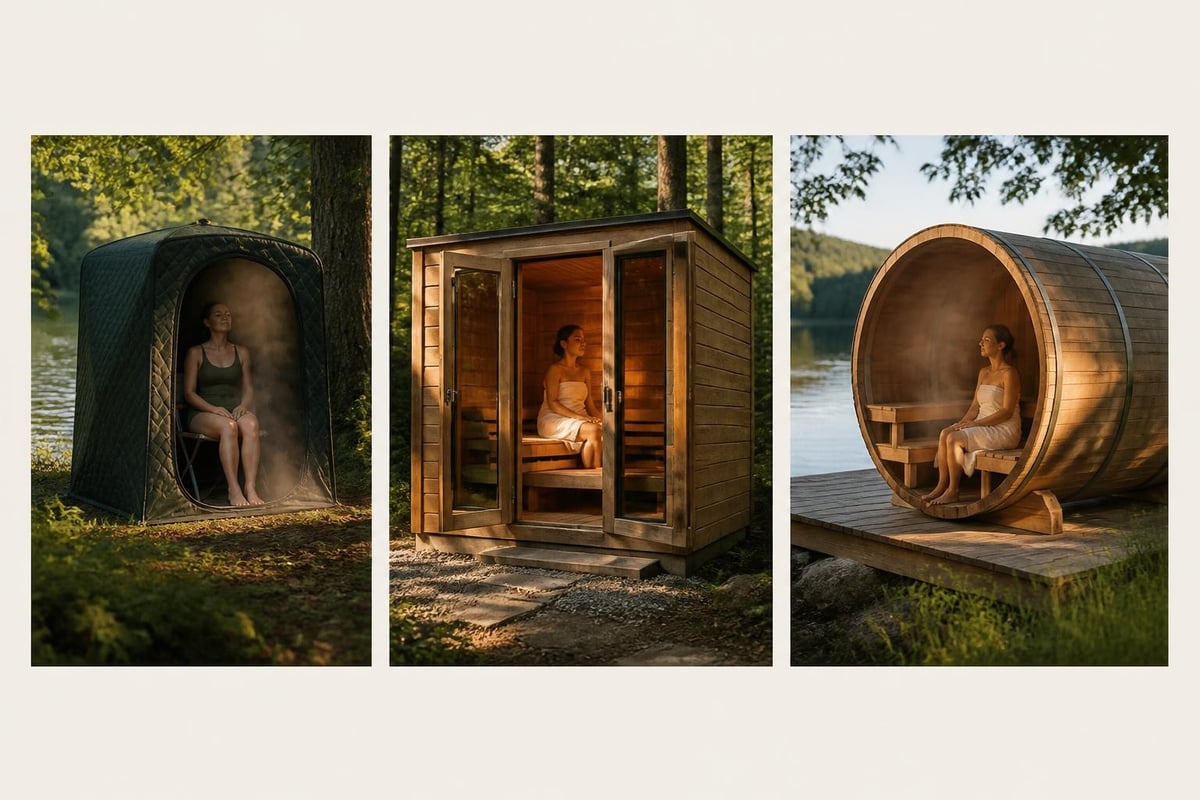
The hot box sauna prioritizes portability and quick setup. Many models fold or disassemble for storage. This appeals to renters or those without dedicated space. The trade-off is limited headroom and reduced airflow compared to larger infrared or traditional units.
Key Buying Criteria When Considering A Hot Box Design
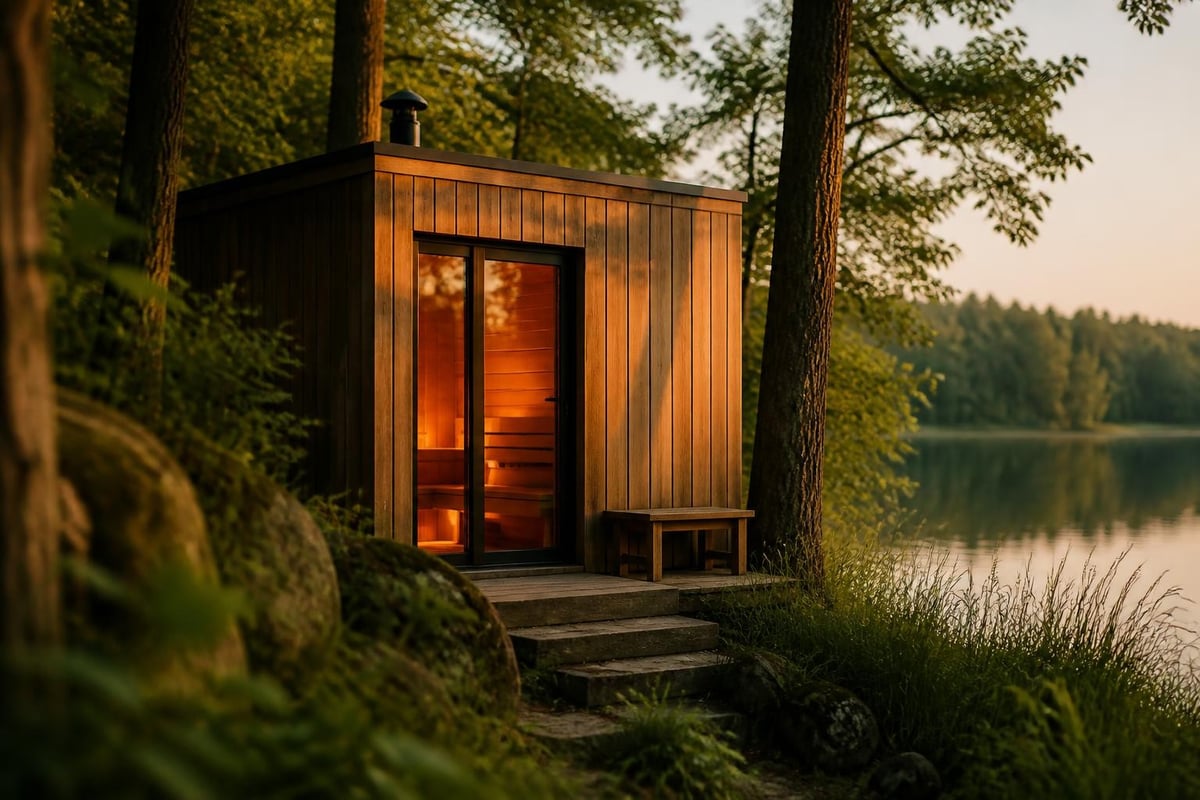
Size and portability define this category. Most hot box saunas measure around 35 to 40 inches per side, designed for one person seated. Weight ranges from 50 to 80 pounds when assembled. If you need a sauna that moves between rooms or stores away, this format works. If you want space for two people or the ability to lie down, a cabin-style sauna or full-size infrared unit makes more sense.
Construction materials vary more than you'd expect:
- Canvas or polyester tent shells with zipper entry
- Rigid plastic or composite panels for better insulation
- Bamboo or hemlock frames for structural integrity
- Reflective interior linings to maximize heat retention
Quality separates functional from frustrating. Thin fabric tears easily. Weak zippers fail after months of heat exposure. Panels that don't seal leak warmth and extend preheat time. The original Hot Box Sauna and similar models use reinforced materials, but cheaper imitations flood the market.
EMF and Electrical Considerations
Infrared panels generate electromagnetic fields. Research on long-term exposure remains limited. Some manufacturers list EMF ratings in milligauss. Others provide no data. The hot box sauna format places panels close to your body, so this matters more than in a larger cabin where you sit farther from heating elements.
Most models plug into standard 120V outlets. Power draw ranges from 1000 to 1500 watts. This is manageable for home circuits, but verify your electrical capacity if you plan extended daily use. Portable designs sacrifice the heating power of dedicated electric saunas that may require 220V.
How It Compares to Full-Size Infrared and Traditional Saunas
The hot box sauna fills a gap between no sauna and a permanent installation. It costs less than most full-size models, typically ranging from $400 to $1,200. A quality two-person infrared sauna runs $2,000 to $4,000. A traditional outdoor barrel or cabin sauna ranges from $4,000 to $10,000 depending on materials and heater type.
Practical differences extend beyond price:
- Setup time: The hot box sauna assembles in 20 to 40 minutes. Traditional saunas often arrive as kits requiring a full day or professional installation.
- Preheat duration: Hybrid infrared units warm in 10 to 15 minutes. Finnish saunas need 30 to 50 minutes to reach target temperature with proper stone mass.
- Session comfort: Enclosed infrared feels different from steam heat. Some people prefer dry radiant warmth. Others miss the breathing sensation of humidity and löyly.
- Maintenance: Portable units wipe clean and store easily. Traditional saunas require occasional bench cleaning, stone rearrangement, and ventilation checks.
According to the Cleveland Clinic's overview of infrared sauna benefits, lower-temperature infrared sessions may appeal to those sensitive to high heat. The hot box sauna format takes this further with even more compact, accessible design. But it doesn't replicate the cardiovascular demand of a 170°F traditional sauna, which research associates with heart health improvements.
Red Light Therapy Integration
The hot box sauna concept often includes red and near-infrared light panels. These emit wavelengths between 600 and 850 nanometers. Proponents suggest benefits for skin health, muscle recovery, and cellular energy. The evidence base grows slowly. Most studies use controlled clinical devices, not consumer sauna add-ons.
Red light exposure during sauna sessions adds minimal risk when used as directed. Overexposure may irritate skin or eyes. The official Hot Box Sauna manual recommends limiting sessions to 30 to 40 minutes and keeping eyes closed during high-intensity phases. Standard infrared saunas without red light avoid this variable entirely.
When The Hot Box Sauna Makes Sense
This format suits specific situations better than others. Apartment dwellers without outdoor space or dedicated sauna rooms find value in portability. The ability to fold and store a unit in a closet removes the permanence barrier. Renters avoid installation concerns. Frequent travelers can move a hot box sauna between properties.
Budget constraints also drive this choice. If you want regular heat exposure but can't justify $5,000 for a traditional sauna, a $600 portable unit provides entry. The experience differs, but the core benefit-elevated body temperature and sweating-remains.
Where this format falls short:
- No room for a second person
- Limited ventilation compared to traditional designs
- Less durable than solid wood construction
- Cannot replicate steam or social aspects of Finnish sauna
Growing up on Lake Saimaa, I learned that sauna culture centers on space to breathe and time to sit quietly with others. The hot box sauna serves a purpose, but it trades the ritual for convenience. If you have a yard and plan to stay in your home, I'd invest in a barrel or cabin sauna that lasts decades. If your situation requires flexibility, the portable infrared option makes practical sense.

For those ready to move beyond portable designs, the Golden Designs Llumeneres Full Spectrum Zero EMF Sauna offers a refined step up with near-zero EMF technology, full-spectrum heating, and natural Canadian hemlock construction.
Building Your Decision Framework
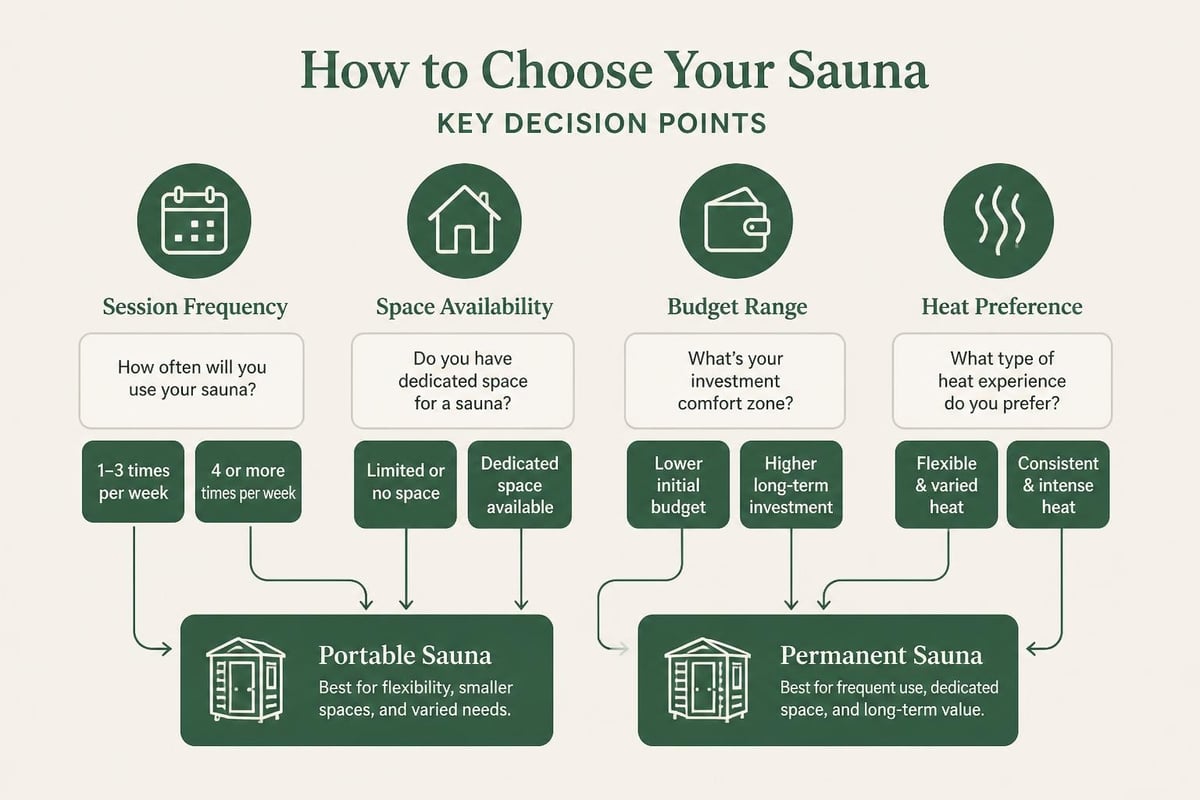
Start with space and commitment. Measure where the sauna will sit. A hot box sauna needs roughly 4 feet square when deployed. Traditional and full-size infrared units require dedicated floor space, whether indoors or outside. If you rent or move frequently, portability matters. If you own your home and value longevity, permanent installation rewards the effort.
Consider your temperature preference. Healthline's guide to infrared saunas notes that infrared operates at lower temperatures than traditional steam saunas. Some people enjoy this. Others feel it lacks intensity. The hot box sauna falls on the gentler end of the spectrum. If you've used hotel saunas and enjoyed the high heat, you might find infrared underwhelming.
Health Goals and Session Frequency
Heat exposure appears associated with cardiovascular adaptation, reduced inflammation markers, and improved recovery. But correlation is not causation. Most research studies traditional Finnish saunas at higher temperatures. Extrapolating those findings to infrared or hybrid units requires caution.
If you plan daily 30-minute sessions, durability and comfort outweigh portability. A well-built infrared sauna with solid benches and proper ventilation serves you better long term. If you'll use it twice weekly or less, a less expensive portable model might suffice while you assess whether sauna becomes a habit.
Practical Setup and Usage Notes
The hot box sauna requires a flat surface and nearby outlet. Most people use a bedroom, basement, or garage. Ensure adequate ceiling height-models range from 5 to 6 feet tall when erected. Carpeted floors work, but a towel underneath catches sweat and protects fabric.
Pre-session checklist:
- Assemble or unfold the unit completely
- Verify all panels and zippers seal properly
- Preheat for the manufacturer's recommended duration
- Place a towel on the seat and one under feet
- Keep water nearby for hydration
Session duration typically ranges from 20 to 40 minutes. Start shorter if you're new to heat exposure. Pay attention to dizziness, nausea, or excessive discomfort. Exit immediately if these occur. Cooling down matters as much as heating up. Stand or sit in a cooler room for several minutes before showering.
Maintenance and Longevity
Canvas and fabric models require regular wiping. Sweat and humidity promote mildew if left damp. After each session, open zippers and allow air circulation. Wipe interior surfaces with a clean, slightly damp cloth. Avoid harsh cleaners that degrade materials.
Inspect zippers and seams every few months. Worn zippers are the most common failure point. Some manufacturers sell replacement parts. Others require full unit replacement. The Hot Box Sauna's benefits page emphasizes proper care to extend product life, which generally ranges from two to five years with regular use.
Hard-sided models last longer but cost more. Expect five to eight years from quality construction. Compare this to traditional wood saunas, which function for decades with basic maintenance.
Common Questions About The Hot Box Sauna
How does the hot box sauna differ from a traditional steam sauna?
The hot box sauna uses infrared panels and red light for radiant heat at lower temperatures, typically 120 to 150°F. Traditional steam saunas heat air to 160 to 180°F and use water on hot stones to create humidity. The experience and cardiovascular demand differ significantly.
Can two people use a hot box sauna at the same time?
Most hot box sauna models accommodate only one person. The compact design and single-seat configuration don't allow room for a second user. Larger infrared cabins or traditional outdoor saunas provide multi-person capacity.
Does the red light therapy feature provide additional benefits?
Red and near-infrared light may support skin health and muscle recovery based on early research. The evidence base is still developing. Most studies use clinical-grade devices rather than consumer sauna add-ons, so results may not directly apply.
How long does a hot box sauna typically last?
Fabric and canvas models last two to five years with regular use and proper maintenance. Hard-sided portable units extend to five to eight years. Traditional wood saunas function for decades, making them more cost-effective over time if space and budget allow.
Is EMF exposure from infrared panels a concern?
Electromagnetic field exposure from infrared panels remains under study. Most consumer sauna panels generate low to moderate EMF levels. Some manufacturers provide milligauss ratings. If this concerns you, look for low-EMF certified models or choose traditional steam saunas, which avoid the issue entirely.
The hot box sauna serves as an accessible entry point to regular heat exposure, particularly for those with space or budget constraints. Understanding how it differs from traditional Finnish designs and full-size infrared models helps you choose the right approach for your situation. At RecoSauna, Petri answers every question personally, drawing on decades of experience from Lake Saimaa to help you find a sauna that fits your home and supports your wellness routine. Ask Petri About Your Sauna.
Share:
Wood Burning Sauna Guide: Heat, Maintenance & Setup 2026
Cold Plunge: Benefits, Risks, and How to Start Safely