
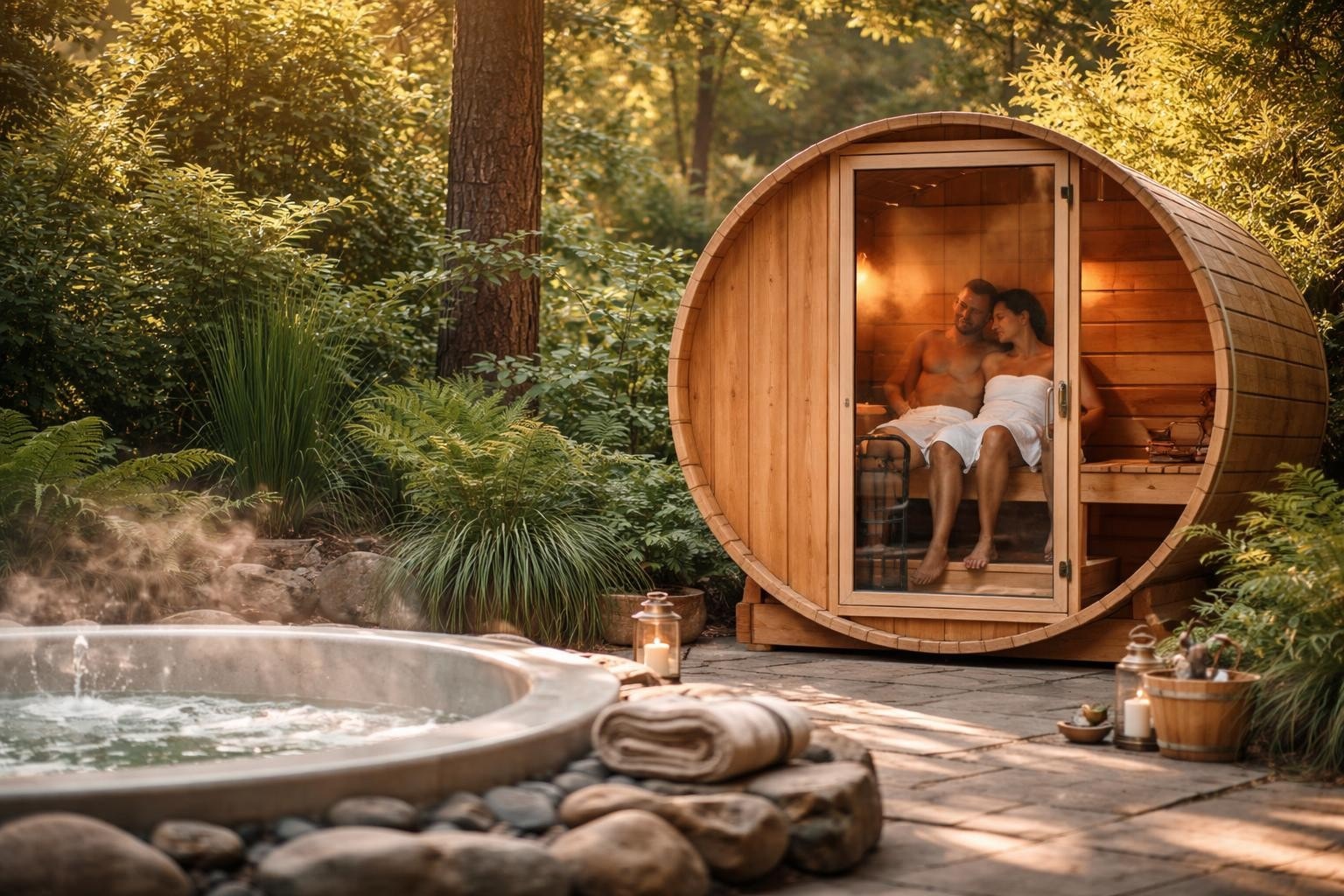
The outdoor sauna has transformed from a Scandinavian luxury into a mainstream wellness investment for North American homeowners seeking to create personal retreats in their backyards. As health-conscious consumers increasingly prioritize recovery, stress management, and quality of life, the appeal of stepping into a warm sanctuary steps from your back door has never been stronger. With innovations in materials, heating technology, and design aesthetics, today's outdoor sauna options offer unprecedented versatility for properties ranging from compact urban yards to expansive rural estates.
Why Choose an Outdoor Sauna Over Indoor Options
Selecting an outdoor sauna provides distinct advantages that indoor installations simply cannot match. The experience of transitioning from heated warmth to crisp outdoor air creates a powerful contrast that many sauna enthusiasts consider essential to the traditional practice.
Space efficiency represents one of the most practical benefits. An outdoor sauna eliminates the need to sacrifice valuable square footage inside your home, making it ideal for families who want wellness amenities without compromising living areas. This separation also prevents humidity concerns that can arise with indoor installations, protecting your home's interior finishes and air quality.
The therapeutic benefits extend beyond the heat itself. Research on cardiovascular health demonstrates that regular sauna use can improve heart function and reduce blood pressure, while the outdoor setting amplifies these benefits through connection with nature. The sensory experience of hearing birds, feeling a breeze, or watching snowfall through a window adds dimensions of relaxation that enclosed spaces cannot replicate.
Aesthetic and Property Value Considerations
Outdoor saunas function as architectural focal points that enhance landscape design. Unlike indoor installations that remain hidden from view, a well-placed outdoor sauna becomes a statement piece that demonstrates commitment to wellness and quality of life.
- Increases property appeal for health-conscious buyers
- Creates visual interest in backyard layouts
- Provides year-round usability regardless of season
- Offers flexibility in placement and orientation
Property value studies increasingly show that wellness amenities contribute meaningfully to home valuations, particularly in markets where buyers prioritize lifestyle features.
Types of Outdoor Saunas: Barrel, Cabin, and Pod Designs
The outdoor sauna market offers three primary structural categories, each with distinct characteristics suited to different preferences and property configurations.
Barrel Saunas: Classic Efficiency
Barrel saunas feature cylindrical construction that promotes superior heat circulation through natural convection. The curved walls eliminate corners where heat can stagnate, creating more uniform temperature distribution with less energy consumption.
| Feature | Advantage | Consideration |
|---|---|---|
| Shape | Efficient heat circulation | Limited headroom at sides |
| Footprint | Compact space requirement | Fewer seating configurations |
| Assembly | Straightforward kit construction | Requires level foundation |
| Aesthetics | Distinctive visual appeal | May not suit all architectural styles |
The barrel sauna design has gained tremendous popularity among homeowners who appreciate both function and form, offering capacities typically ranging from two to six persons.
Cabin-Style Outdoor Saunas
Cabin saunas provide traditional rectangular construction with vertical walls, offering maximum interior space and flexible bench configurations. These structures integrate seamlessly with conventional architecture and allow for larger windows, changing areas, and storage space.
The Canadian Timber Luna Sauna exemplifies modern cabin design, combining light Eastern White Cedar construction with contemporary aesthetics including rounded corners and bronze-tinted tempered glass. Its ready-to-assemble panel kit simplifies installation while maintaining the premium quality associated with LeisureCraft's Canadian craftsmanship.
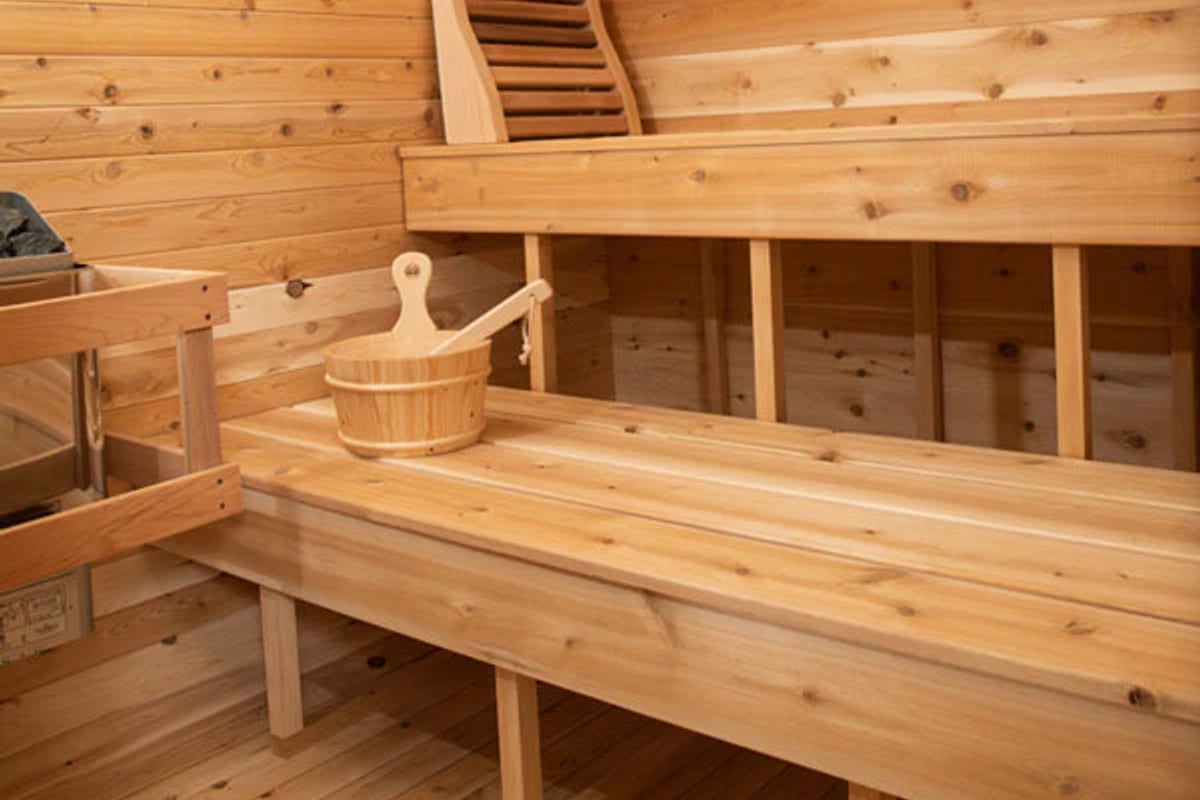
For those seeking a sophisticated outdoor sauna that complements modern residential design, cabin-style options deliver versatility in both form and function.
Pod Saunas: Space-Efficient Innovation
Pod saunas represent the latest evolution in compact outdoor sauna design, offering contemporary styling in minimal footprints. These structures work exceptionally well for urban properties or as additions to existing wellness areas.
- Minimal ground space requirements
- Modern aesthetic appeal
- Quick installation timelines
- Flexible placement options
Construction Materials: Cedar, Hemlock, and Beyond
Material selection profoundly impacts both the performance and longevity of your outdoor sauna. Understanding wood species characteristics helps ensure your investment delivers decades of reliable service.
Eastern White Cedar: The Premium Standard
Eastern White Cedar stands as the preferred choice for outdoor sauna construction due to its exceptional weather resistance and natural aromatic properties. This wood contains natural oils that repel moisture, insects, and decay, making it ideal for the wet-dry cycles that saunas experience.
The wood's cellular structure provides natural insulation while remaining dimensionally stable through temperature fluctuations. Its light color brightens interiors, creating inviting spaces that feel open and fresh.
Canadian Hemlock: Economical Performance
Canadian Hemlock offers a cost-effective alternative that still delivers solid performance for outdoor sauna applications. While lacking cedar's natural oils, properly treated and maintained hemlock provides adequate durability at a lower price point.
Key Hemlock Characteristics:
- Tight grain structure
- Light, neutral color
- Minimal natural aroma
- Requires regular maintenance
Construction Quality Standards
Regardless of wood species, construction quality determines long-term satisfaction. Technical requirements for outdoor saunas emphasize proper insulation, weatherproofing, and ventilation design.
Premium manufacturers utilize tongue-and-groove joinery, marine-grade fasteners, and proper vapor barriers to ensure structural integrity. The thickness of wall panels typically ranges from 1.5 to 2 inches, with thicker construction providing better heat retention and energy efficiency.
Heating Options: Electric vs. Wood-Burning Systems
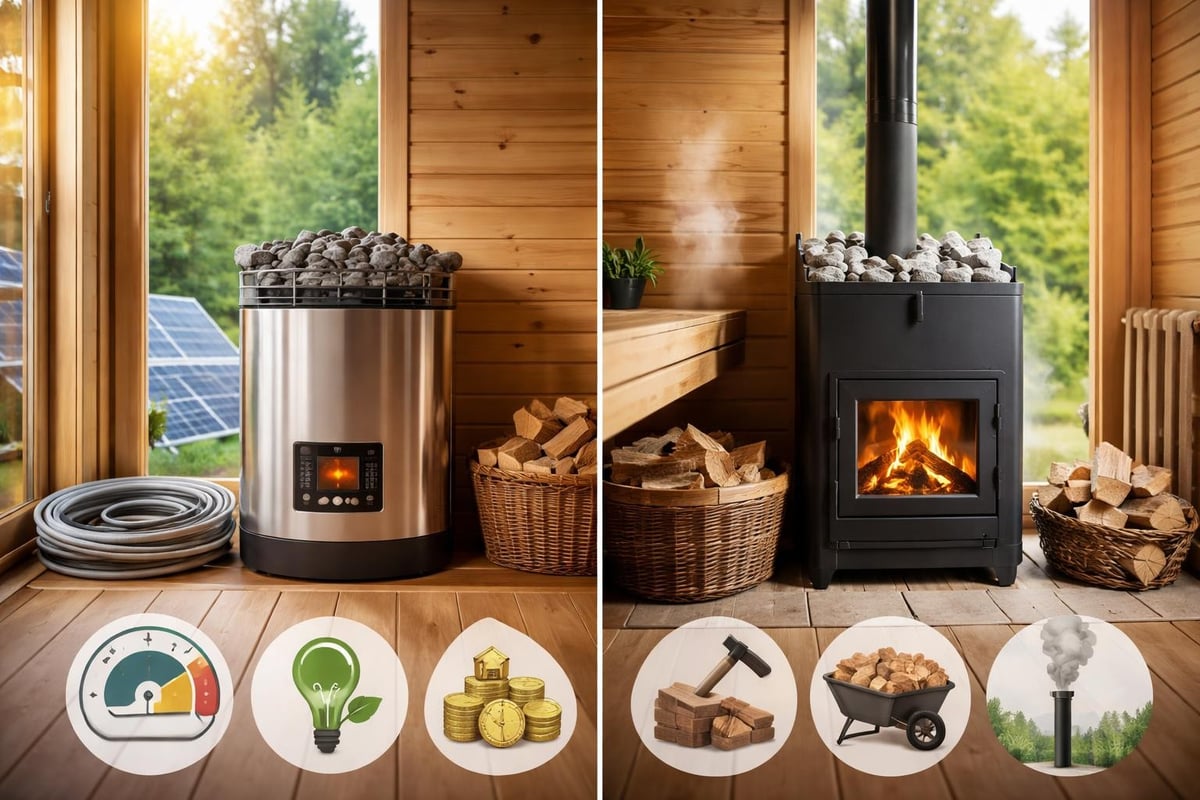
The heating system represents the heart of any outdoor sauna, determining both operational costs and user experience. Modern installations typically choose between electric and wood-burning approaches, each offering distinct advantages.
Electric Heaters: Convenience and Control
Electric sauna heaters dominate the North American market due to their reliability, safety features, and ease of use. Contemporary digital controls allow precise temperature management, often with programmable timers and remote operation capabilities.
| Heater Type | Heat-Up Time | Temperature Range | Operating Cost |
|---|---|---|---|
| Electric 4.5kW | 25-35 minutes | 140-195°F | $0.50-1.00/hour |
| Electric 6kW | 20-30 minutes | 140-200°F | $0.65-1.30/hour |
| Electric 8kW | 15-25 minutes | 140-205°F | $0.85-1.70/hour |
| Wood-burning | 45-60 minutes | Variable | $2.00-4.00/session |
Electric systems require professional electrical installation, typically needing dedicated 220-240V circuits with appropriate amperage capacity. This one-time infrastructure investment provides decades of push-button convenience.
Wood-Burning Heaters: Traditional Experience
Wood-burning stoves deliver the authentic sauna experience that purists prefer, offering aromatic wood smoke, crackling sounds, and the ritual of fire-tending. These systems operate independently of electrical infrastructure, making them ideal for remote properties or off-grid applications.
The higher operating costs reflect both fuel consumption and longer preparation times. However, many enthusiasts consider the sensory experience and connection to traditional sauna culture well worth the additional investment.
Health and Wellness Benefits of Regular Sauna Use
The outdoor sauna delivers measurable health improvements when incorporated into consistent wellness routines. Scientific research continues validating benefits that Scandinavian cultures have recognized for centuries.
Cardiovascular and Circulatory Health
Regular sauna use promotes cardiovascular conditioning through controlled heat stress that increases heart rate and improves blood flow. Studies show that individuals who use saunas 4-7 times weekly experience significantly lower risks of cardiovascular events compared to occasional users.
The heat exposure causes blood vessels to dilate, reducing blood pressure and improving arterial compliance. This cardiovascular workout occurs without the joint stress associated with traditional exercise, making saunas particularly valuable for individuals with mobility limitations.
Detoxification and Skin Health
Profuse sweating facilitates the elimination of metabolic waste products and environmental toxins through the skin. While the body's primary detoxification occurs through liver and kidney function, wellness benefits of outdoor saunas include supporting these natural processes through enhanced circulation and elimination.
Skin health improves through increased blood flow that delivers nutrients to skin cells while flushing away debris. The heat opens pores, allowing deep cleansing that many users find improves complexion and reduces acne.
Mental Health and Stress Reduction
The outdoor sauna environment creates natural stress reduction through multiple mechanisms. Heat exposure triggers endorphin release, producing feelings of wellbeing and mild euphoria. The quiet, technology-free environment encourages meditation and mindfulness.
- Core body temperature increase activates heat shock proteins
- Parasympathetic nervous system engagement promotes relaxation
- Forced disconnection from digital devices reduces mental stimulation
- Nature connection through outdoor setting enhances mood
Recovery and Athletic Performance
Athletes increasingly incorporate sauna sessions into training protocols for enhanced recovery and performance gains. The improved circulation accelerates removal of lactic acid and metabolic waste from muscles, reducing soreness and shortening recovery windows.
Heat acclimatization through regular sauna use may improve endurance performance by increasing blood plasma volume and enhancing thermoregulation capacity during exercise.
Site Selection and Installation Requirements
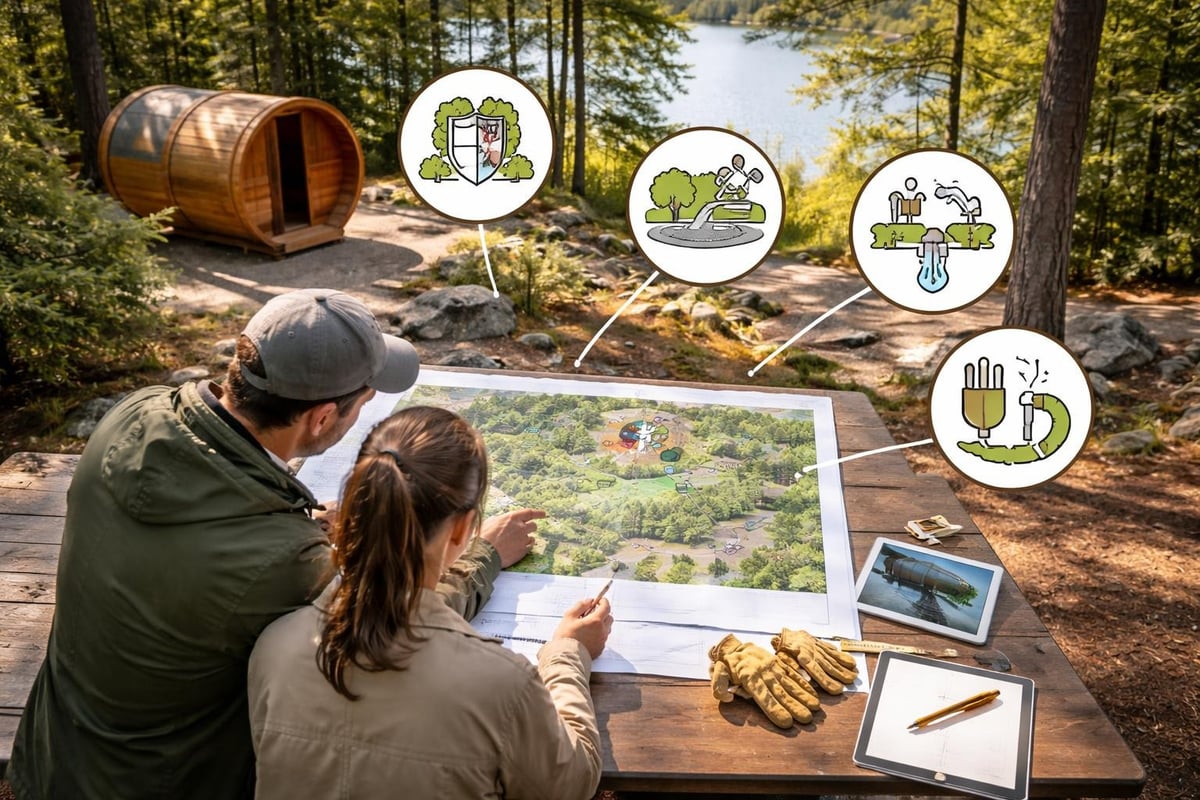
Proper planning ensures your outdoor sauna integrates seamlessly with your property while meeting all functional requirements. Comprehensive design and planning guidance addresses critical factors from foundation to drainage.
Foundation and Base Requirements
Outdoor saunas require stable, level foundations that prevent settling and ensure proper door operation. Common foundation options include:
- Concrete pads: Most permanent and stable, ideal for heavy structures
- Paver bases: Cost-effective for lighter saunas, allows drainage
- Gravel beds: Simplest installation, requires proper compaction
- Deck mounting: Integration with existing structures, verify load capacity
The foundation must extend beyond the sauna footprint to prevent water pooling and should slope slightly away from the structure for drainage. Minimum recommended thickness for concrete pads is 4 inches with reinforcing mesh.
Utility Connections and Access
Electric outdoor saunas require professional electrical installation meeting local building codes. Most units need 220-240V service with amperage ranging from 30-50 amps depending on heater size. The electrical panel must have adequate capacity, and wiring should follow direct burial or conduit requirements.
Installation Checklist:
- Verify electrical panel capacity
- Obtain required building permits
- Schedule electrical inspection
- Plan access pathway (minimum 36" wide)
- Consider lighting for nighttime use
- Plan water source for cleaning
Privacy and Placement Considerations
Strategic placement balances accessibility with privacy. Most homeowners position outdoor saunas within 50-100 feet of the main residence for convenient access while maintaining separation. Consider sightlines from neighboring properties and interior windows.
Natural windbreaks from landscaping or structures improve comfort and reduce heat loss. Avoid locations with excessive sun exposure that can overheat exteriors, but ensure adequate drainage away from low-lying areas.
Maintenance and Seasonal Care
Proper maintenance extends the life of your outdoor sauna while ensuring optimal performance and hygiene. Establishing simple routines prevents issues before they develop into costly repairs.
Regular Cleaning Protocols
Maintaining cleanliness requires minimal effort when performed consistently. After each use, leave the door open for 20-30 minutes to allow complete drying and air circulation. This simple step prevents moisture accumulation that can lead to mildew.
Weekly maintenance includes:
- Sweep or vacuum interior surfaces
- Wipe benches with mild soap solution
- Clean glass surfaces with streak-free cleaner
- Empty and clean floor drain (if equipped)
- Inspect heater rocks and remove debris
Wood Treatment and Protection
Exterior wood surfaces benefit from annual treatment with appropriate sealers or oils designed for outdoor sauna applications. These products enhance weather resistance while maintaining the wood's ability to breathe and release moisture.
Interior surfaces typically require minimal treatment, as the heat and dryness naturally inhibit bacterial growth. Avoid harsh chemicals or sealers that can release fumes when heated. Light sanding every 2-3 years refreshes benches and removes minor wear.
Winter and Summer Considerations
Outdoor saunas operate year-round, but seasonal variations require different approaches. Winter use actually becomes more enjoyable as the temperature contrast intensifies the experience. Ensure pathways remain clear of snow and ice for safe access.
Summer operation may require shorter sessions or lower temperatures for comfort. Adequate ventilation becomes particularly important during warm months to prevent excessive heat buildup. Consider scheduling sessions during cooler evening hours.
Cost Factors and Investment Planning
Understanding the complete cost picture helps establish realistic budgets and prevents surprise expenses. The outdoor sauna investment includes both initial acquisition and ongoing operational costs.
Purchase Price Ranges
Entry-level outdoor saunas start around $3,000-5,000 for compact two-person models with basic electric heaters. Mid-range options offering larger capacity, premium materials, and enhanced features typically range from $6,000-12,000. Luxury installations with custom designs, high-end wood, and advanced control systems can exceed $20,000.
| Category | Price Range | Typical Features |
|---|---|---|
| Entry | $3,000-5,000 | 2-person, basic electric, simple design |
| Mid-Range | $6,000-12,000 | 4-6 person, quality cedar, modern controls |
| Premium | $12,000-20,000 | Large capacity, custom options, luxury finishes |
| Custom | $20,000+ | Architectural design, premium materials, integrated features |
Installation and Infrastructure Costs
Professional installation adds $1,500-4,000 depending on complexity and local labor rates. Electrical work for dedicated circuits typically costs $500-1,500, while foundation preparation ranges from $300-2,000 based on chosen approach.
Site preparation may require additional landscaping, pathway construction, or privacy screening. Budget contingencies of 15-20% for unforeseen site conditions or permit requirements.
Operating Costs and Energy Efficiency
Monthly operating costs depend primarily on usage frequency and local electricity rates. A typical electric outdoor sauna used 4-5 times weekly costs $25-50 monthly in energy consumption. Wood-burning models have more variable costs based on wood prices and availability.
Energy-efficient features that reduce operating costs include:
- Thick wall construction (2" minimum)
- Low-emissivity glass in doors and windows
- Proper weatherstripping and door seals
- Programmable controls with timer functions

Choosing Between Barrel and Cabin Configurations
The barrel versus cabin decision represents the most fundamental choice in outdoor sauna selection. Each configuration offers distinct advantages that appeal to different priorities and preferences.
Barrel Sauna Advantages
The cylindrical design provides inherent structural strength requiring fewer support elements, often resulting in lighter weight and simpler assembly. Heat circulation naturally follows the curved walls, creating even temperature distribution without dead zones.
Barrel saunas typically require 15-20% less energy to reach target temperatures compared to equivalent rectangular designs. The compact footprint makes them ideal for smaller properties or integration into existing landscape designs. Their distinctive appearance creates strong visual impact that many homeowners find appealing.
However, the curved walls reduce usable interior space compared to cabin saunas of similar exterior dimensions. Headroom becomes limited near the walls, and bench configurations offer less flexibility.
Cabin Sauna Benefits
Cabin-style outdoor saunas maximize usable interior volume with vertical walls and full headroom throughout. The rectangular design allows flexible bench arrangements, optional changing rooms, and integrated storage. Larger windows become practical, creating brighter interiors with enhanced outdoor views.
The comprehensive outdoor sauna guide emphasizes that cabin designs integrate more seamlessly with traditional architecture and provide better accommodations for taller users. Installation on existing decks or against buildings becomes simpler with flat-wall construction.
The trade-off involves slightly higher energy consumption and potentially longer heat-up times compared to barrel equivalents. Construction typically requires more materials and more complex assembly processes.
Enhanced Features and Modern Innovations
Contemporary outdoor saunas incorporate technological advancements that enhance both convenience and therapeutic benefits. Understanding available features helps identify options that match your wellness goals.
Infrared Integration
Some outdoor sauna models now offer infrared heating elements either as primary systems or supplements to traditional heaters. Far-infrared waves penetrate tissue more deeply than convective heat, potentially offering enhanced therapeutic benefits at lower ambient temperatures.
Infrared systems operate at 120-140°F compared to traditional saunas at 160-195°F, making them more comfortable for heat-sensitive users. Energy consumption typically runs 20-30% lower than conventional electric heaters.
Chromotherapy and Aromatherapy
LED chromotherapy lighting systems allow users to select colors believed to influence mood and energy levels. Red light promotes circulation and energy, blue encourages relaxation and stress reduction, and green supports balance and harmony.
Built-in aromatherapy dispensers release essential oils into the sauna environment, adding olfactory dimensions to the experience. Popular choices include eucalyptus for respiratory benefits, lavender for relaxation, and pine for traditional sauna ambiance.
Smart Controls and Connectivity
Modern outdoor saunas increasingly feature smartphone connectivity allowing remote temperature adjustment, session scheduling, and usage tracking. These systems enable preheating while you finish dinner or cool down after a workout, ensuring the sauna reaches optimal temperature exactly when needed.
Advanced controls monitor heater performance, track maintenance schedules, and provide safety features including automatic shutoff and temperature limiting. Some systems integrate with smart home platforms for voice control and automation.
Complementary Wellness Additions
Many outdoor sauna owners enhance their wellness experience by adding complementary features that create complete backyard therapy environments.
Cold Plunge Integration
The contrast between sauna heat and cold immersion amplifies cardiovascular benefits and promotes recovery. Dedicated cold plunge installations positioned near outdoor saunas create the traditional hot-cold cycling that Scandinavian cultures have practiced for generations.
The temperature shock triggers vasoconstriction followed by vasodilation, pumping fresh blood through tissues while activating the sympathetic nervous system. Many athletes credit contrast therapy with enhanced recovery and reduced muscle soreness.
Outdoor Showers and Rinse Stations
Installing outdoor showers near your sauna provides convenient cooling and cleaning options. These fixtures range from simple cold-water garden connections to sophisticated thermostatic systems with hot water access.
Privacy screening through fencing, lattice, or strategic landscaping creates comfortable spaces for post-sauna cooling. Consider freeze-proof installations in cold climates to enable year-round operation.
Relaxation and Social Spaces
Creating adjacent outdoor living areas with seating, fire pits, or covered structures extends the sauna experience beyond the heat session itself. These spaces provide venues for hydration, conversation, and gradual temperature transition.
Thoughtful lighting design illuminates pathways for safety while creating ambiance through accent lighting on landscaping or architectural features. Solar options eliminate electrical work while providing sustainable operation.
Selecting the Right Size for Your Needs
Capacity planning ensures your outdoor sauna accommodates intended users without wasting energy heating excess space. Manufacturers rate saunas by person capacity, but actual comfortable usage often differs from maximum ratings.
Personal Use and Couples
Two-person outdoor saunas provide intimate spaces ideal for individuals or couples. These compact units typically measure 4-6 feet in length with 4-5 feet of depth, offering adequate space for reclining or sitting positions without feeling cramped.
Smaller saunas heat more quickly and consume less energy, making them economical for frequent use. The reduced footprint fits easily into limited yard space while still delivering full therapeutic benefits.
Family and Social Use
Four to six-person capacity suits families or those who enjoy social sauna sessions. These mid-size units typically measure 6-8 feet in length, providing bench space for multiple users with comfortable spacing.
Consider actual usage patterns when selecting size. A family of four may find a six-person unit valuable when hosting friends, while couples who never entertain might find a three-person model perfectly adequate despite having children who occasionally join sessions.
Commercial and Luxury Installations
Eight-person and larger outdoor saunas serve commercial applications, vacation rentals, or homeowners who regularly host gatherings. These substantial structures require significant space and infrastructure but create impressive wellness amenities.
Custom sizing becomes practical for unique applications or when integrating saunas into architectural designs. Working with experienced manufacturers like RecoSauna ensures proper planning for specialized requirements.
The outdoor sauna represents a meaningful investment in health, property value, and quality of life that delivers returns for decades when properly selected and maintained. From compact barrel designs perfect for urban yards to spacious cabin configurations ideal for family wellness, today's options accommodate virtually any property and preference. Whether you're drawn to the cardiovascular benefits, stress reduction, or simply the luxury of a backyard retreat, choosing quality construction from trusted manufacturers ensures your outdoor sauna becomes a cherished feature of daily life. RecoSauna offers an extensive selection of premium outdoor, barrel, cabin, and infrared saunas from top North American brands, backed by expert guidance to help you select the perfect model for your wellness goals and property requirements.
Share:
Sauna and Muscle Recovery: Science-Backed Benefits
Canadian Barrel Sauna: Design, Benefits & Buyer's Guide