
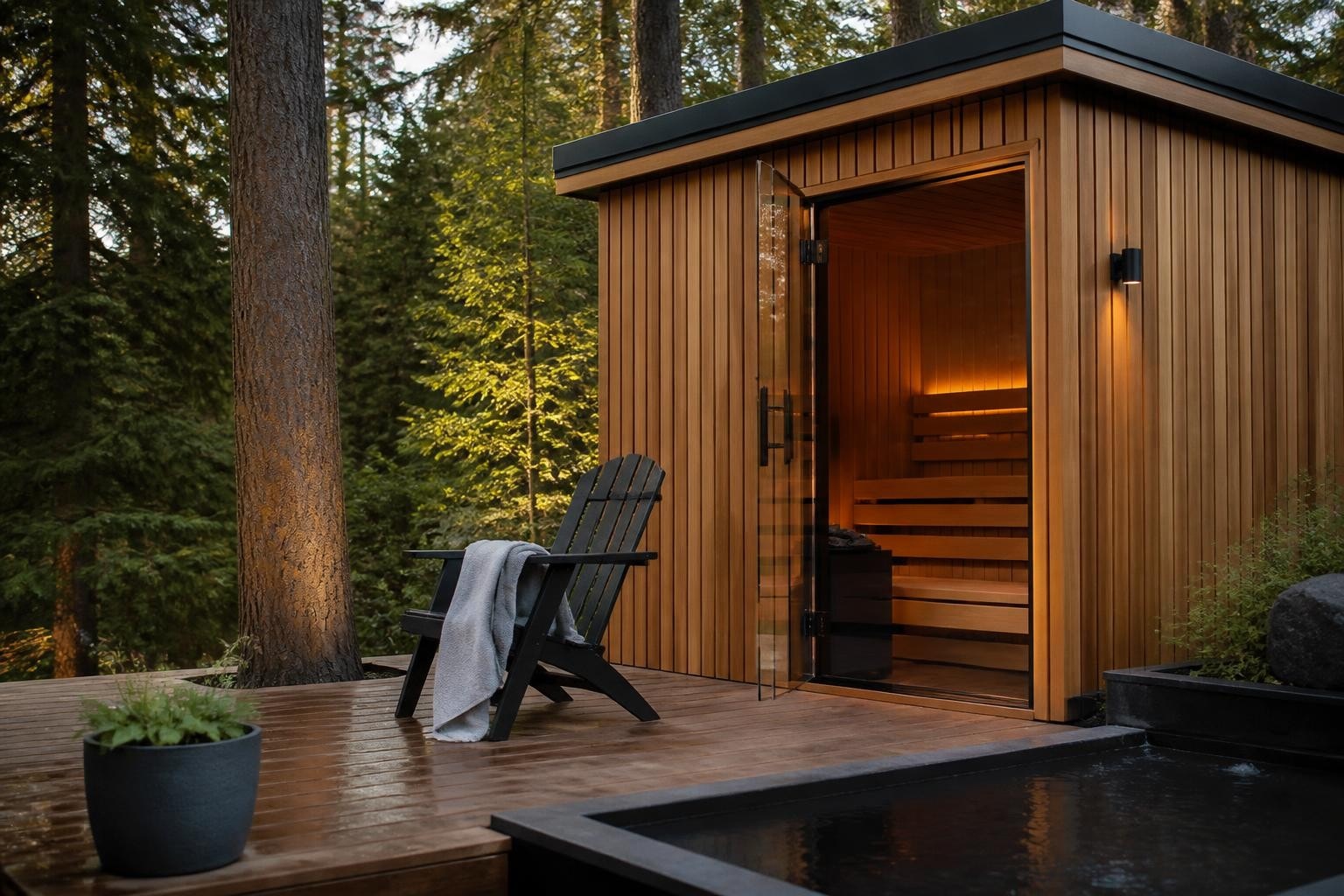
An outdoor home sauna represents more than just a wellness amenity. It transforms your backyard into a dedicated space for health, relaxation, and connection with nature. As homeowners increasingly prioritize self-care and outdoor living in 2026, the outdoor home sauna has emerged as one of the most valuable additions to residential properties. Unlike indoor installations, outdoor saunas offer unique advantages in space efficiency, installation flexibility, and the therapeutic experience of combining heat therapy with fresh air and natural surroundings.
Understanding the Outdoor Home Sauna Advantage
When comparing indoor versus outdoor sauna installations, outdoor units provide distinct benefits that appeal to modern homeowners. The primary advantage lies in preserving interior square footage while creating a dedicated wellness space that feels like a retreat.
Outdoor saunas eliminate common indoor concerns:
- No need for extensive bathroom or basement renovations
- Natural ventilation without complex HVAC modifications
- Heat and moisture remain outside your living spaces
- Greater flexibility in size and design options
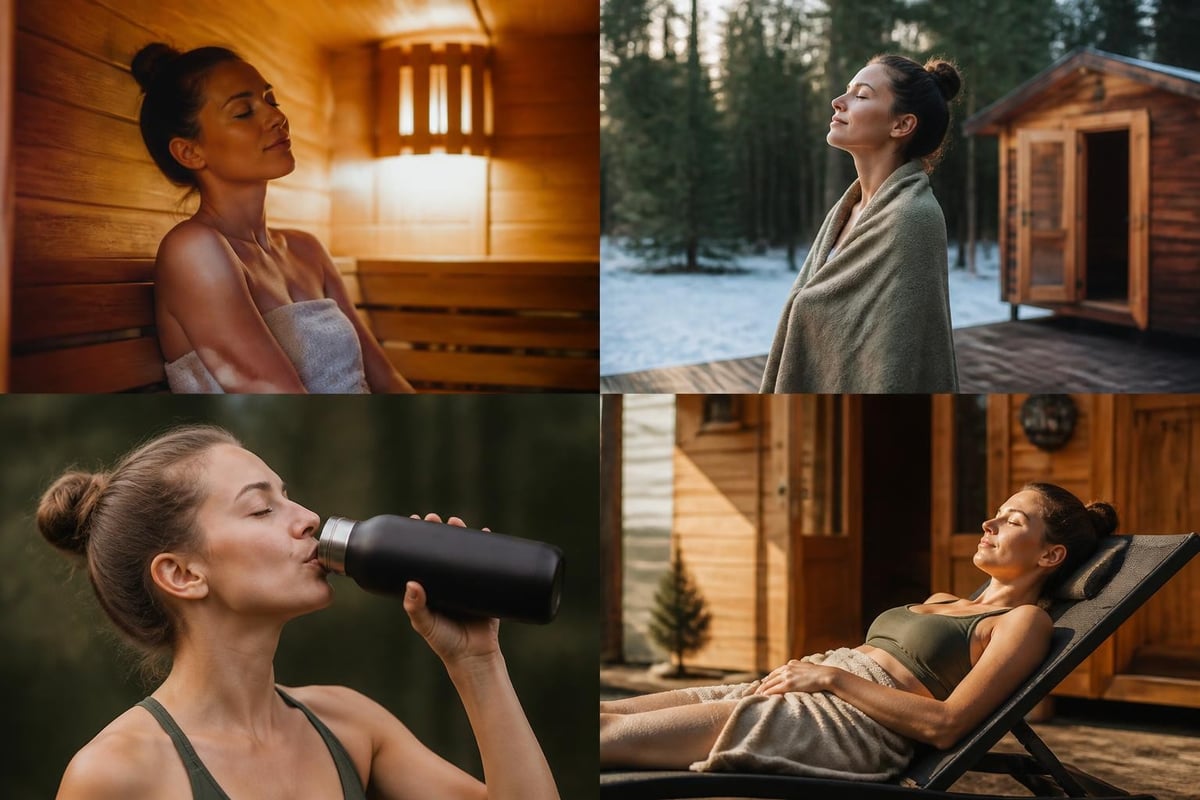
The experience of stepping from intense heat directly into cool outdoor air enhances the traditional sauna ritual. This temperature contrast stimulates circulation and amplifies the cardiovascular benefits that make sauna therapy so effective. According to comprehensive outdoor sauna guides, users report enhanced relaxation when their sauna sessions incorporate natural elements like garden views, evening stars, or seasonal weather changes.
Space and Property Value Considerations
An outdoor home sauna requires minimal footprint while delivering maximum impact. Most units occupy between 25 to 80 square feet depending on capacity, fitting comfortably in average backyards, side yards, or even on reinforced decks. The installation preserves your home's interior layout while adding a premium amenity that appeals to wellness-conscious buyers.
Property value studies consistently show that well-maintained outdoor wellness features contribute positively to home valuations. The outdoor home sauna specifically appeals to buyers seeking turnkey wellness lifestyles, particularly in markets where health-conscious living commands premium pricing.
Types of Outdoor Home Saunas for Every Backyard
The outdoor sauna market offers diverse options to match different aesthetic preferences, space constraints, and wellness goals. Understanding these categories helps you select the ideal configuration for your property and lifestyle.
| Sauna Type | Capacity | Heat Source | Installation Time | Best For |
|---|---|---|---|---|
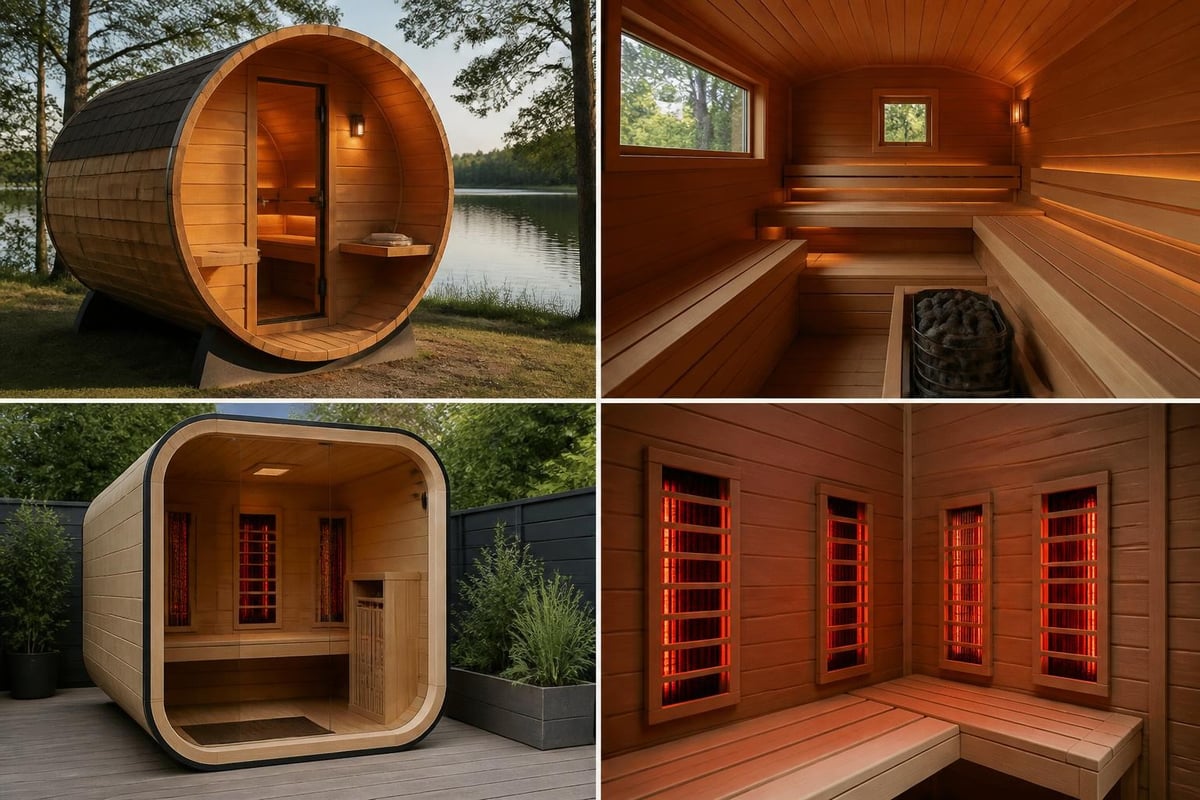
| Barrel Sauna | 2-6 people | Electric or wood | 1-2 days | Efficient heating, classic aesthetic |
| Cabin Sauna | 2-8 people | Electric or wood | 2-4 days | Larger groups, traditional experience |
| Pod Sauna | 1-3 people | Electric | 4-8 hours | Compact spaces, modern design |
| Infrared Outdoor | 1-4 people | Infrared panels | 4-8 hours | Lower temperatures, targeted therapy |
Barrel Saunas: Efficiency Meets Tradition
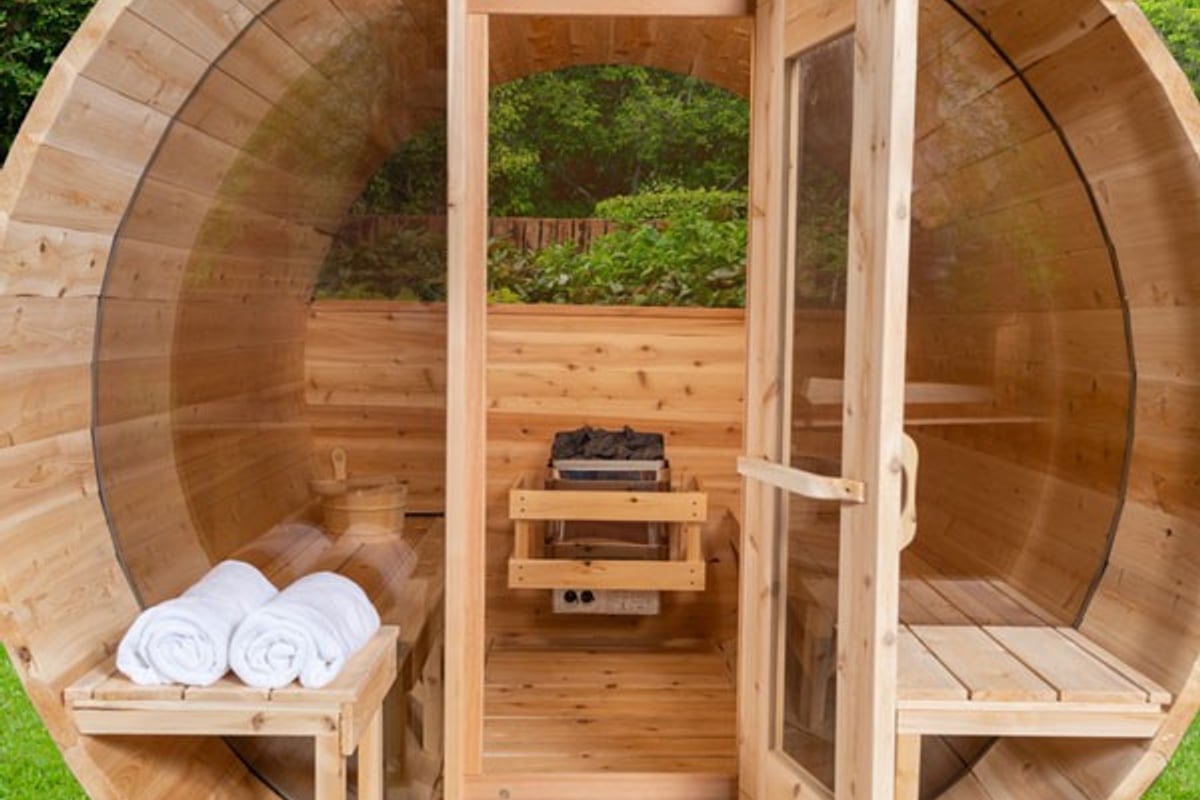
The distinctive curved design of outdoor barrel saunas isn't merely aesthetic. The cylindrical shape promotes optimal heat circulation, allowing the sauna to reach target temperatures faster while using less energy. Heat naturally rises and circulates along the curved ceiling, creating even temperature distribution without hot or cold spots.
Barrel saunas typically arrive as prefabricated kits with precision-cut staves that fit together without requiring advanced carpentry skills. Most homeowners complete assembly within a weekend with basic tools and one or two helpers.
Cabin-Style Outdoor Saunas
Traditional cabin saunas offer the most interior space and customization options. Their conventional four-wall construction provides room for multiple benches at different heights, allowing users to choose their preferred heat intensity. The cabin configuration also accommodates features like changing areas, window placements for views, and additional storage.
For those seeking a premium outdoor wellness experience, the Canadian Timber Tranquility MP Barrel Sauna - LeisureCraft combines spacious capacity with the efficient barrel design, featuring a panoramic front glass that creates an open, luxurious atmosphere perfect for social sauna sessions.
Infrared Options for Outdoor Installation
While traditional saunas use heated air to warm the body, infrared models employ radiant panels that penetrate skin more deeply at lower ambient temperatures. Outdoor infrared saunas typically operate between 120-140°F compared to traditional saunas at 160-195°F, making them accessible for users who find extreme heat uncomfortable.
The lower operating temperatures also mean reduced energy consumption and faster heat-up times. Many infrared models reach operating temperature within 15-20 minutes compared to 30-45 minutes for traditional outdoor home sauna units.
Essential Installation Requirements
Successfully installing an outdoor home sauna requires attention to foundation, utilities, and environmental factors. Unlike portable hot tubs, saunas demand stable, level surfaces and proper electrical connections to function safely and efficiently.
Foundation and Site Preparation
Every outdoor home sauna needs a solid, level base that prevents settling and structural stress. Choosing the right backyard location involves evaluating drainage, sun exposure, privacy, and accessibility from your home.
Foundation options ranked by permanence and cost:
- Concrete pad - Most stable, permanent, supports any sauna size
- Paver base - Semi-permanent, adjustable, good drainage
- Gravel with timber frame - Budget-friendly, requires periodic leveling
- Reinforced deck - Convenient but requires structural engineering verification
The foundation should extend at least 6 inches beyond the sauna footprint on all sides. Proper slope ensures water drainage away from the structure, preventing moisture accumulation that could damage wood components or create ice hazards in winter.
Electrical Requirements and Heater Selection
Most outdoor home sauna units require 240-volt electrical service similar to electric dryers or ovens. The specific amperage depends on heater size, typically ranging from 30 to 60 amps for residential installations. This work requires licensed electrician services and permits in most jurisdictions.
Electric heaters dominate the outdoor sauna market due to their convenience, consistent performance, and lower installation costs compared to wood-burning alternatives. Modern electric sauna heaters feature:
- Digital temperature controls with preset programs
- Remote operation via smartphone apps
- Safety shutoffs preventing overheating
- Energy-efficient designs reducing operating costs
Wood-burning heaters appeal to purists seeking authentic sauna experiences and those in locations where electrical service installation proves prohibitively expensive. However, wood-fired saunas require chimney installation, regular cleaning, firewood storage, and active monitoring during use.
Weather Protection and Ventilation
Quality outdoor home sauna construction incorporates weather-resistant features that protect against rain, snow, UV exposure, and temperature fluctuations. Premium models use naturally rot-resistant woods like cedar, hemlock, or thermally-modified timber that withstand outdoor conditions without chemical treatments.
Proper ventilation maintains air quality and controls humidity inside the sauna. Most outdoor units include:
- Intake vents near the floor for fresh air circulation
- Exhaust vents near the ceiling for moisture escape
- Adjustable vents allowing users to control airflow
- Door gaps ensuring continuous air exchange
According to maintenance requirement comparisons, outdoor saunas face greater environmental stress but often prove easier to maintain since moisture naturally dissipates into open air rather than accumulating in enclosed indoor spaces.
Materials That Endure Outdoor Conditions
The longevity of your outdoor home sauna depends heavily on construction materials. Wood selection impacts durability, maintenance requirements, heat retention, and the overall sensory experience.
Premium Wood Choices for Outdoor Saunas
| Wood Type | Durability | Aroma | Maintenance | Heat Retention |
|---|---|---|---|---|
| Cedar | Excellent | Pleasant, natural | Low | Good |
| Hemlock | Very Good | Minimal | Low | Excellent |
| Spruce | Good | Fresh | Moderate | Good |
| Thermally Modified | Excellent | Mild | Very Low | Very Good |
Cedar dominates outdoor sauna construction thanks to natural oils that repel moisture, resist rot, and discourage insects. The wood releases a pleasant aroma when heated, enhancing the sensory experience. Cedar's cellular structure provides good insulation while remaining lightweight enough for prefabricated construction.
Hemlock offers superior dimensional stability, resisting warping and cracking through seasonal temperature swings. Its tight grain and minimal resin content create smooth surfaces that remain comfortable against bare skin even at high temperatures. Hemlock's neutral scent appeals to users sensitive to strong wood aromas.
Thermally modified woods undergo controlled heating processes that fundamentally alter cellular structure, creating exceptional stability and rot resistance. These engineered materials perform exceptionally in harsh climates but typically cost 30-50% more than conventional options.
Glass, Hardware, and Insulation Components
Modern outdoor home sauna designs incorporate tempered glass doors and windows that withstand thermal stress while creating visual connections to outdoor surroundings. Bronze or gray-tinted glass reduces glare while maintaining privacy during daytime use.
Stainless steel hardware resists corrosion from moisture and temperature cycling. Premium manufacturers use marine-grade fasteners and hinges designed for coastal environments, ensuring smooth operation and longevity regardless of local climate conditions.
Wall and ceiling insulation significantly impacts heating efficiency and operating costs. Quality outdoor saunas include:
- Foil-backed insulation creating radiant barriers
- Vapor barriers preventing moisture infiltration
- R-11 to R-19 insulation values in walls
- Enhanced ceiling insulation where heat concentrates
Health Benefits and Wellness Applications
The outdoor home sauna delivers therapeutic benefits that extend beyond simple relaxation. Regular sauna use supports cardiovascular health, aids recovery, and promotes mental wellness through multiple physiological mechanisms.
Cardiovascular and Circulatory Effects
Sauna heat exposure triggers vasodilation, increasing blood flow throughout the body. Heart rate elevates to levels comparable with moderate exercise, typically reaching 100-150 beats per minute during sessions. This cardiovascular workout strengthens heart function over time.
Research consistently demonstrates that regular sauna users experience:
- Reduced blood pressure in hypertensive individuals
- Improved arterial elasticity and endothelial function
- Lower risk of cardiovascular disease events
- Enhanced circulation to extremities and organs
The outdoor setting amplifies benefits by enabling the traditional Nordic practice of alternating between heat exposure and cold air exposure. This thermal cycling provides additional circulatory stimulus beyond what indoor-only sessions deliver.

Recovery, Detoxification, and Immune Function
Athletes incorporate outdoor home sauna sessions into recovery protocols for good reason. Heat therapy promotes muscle relaxation, reduces delayed-onset muscle soreness, and accelerates the removal of metabolic waste products from tissues. The increased circulation delivers oxygen and nutrients that support tissue repair.
Recovery timeline enhancements:
- Immediate: Muscle tension relief, pain reduction
- 24 hours: Reduced inflammation markers
- 48-72 hours: Accelerated return to training readiness
- Long-term: Improved adaptation to training stress
Profuse sweating during sauna sessions supports the body's natural detoxification pathways. While the liver and kidneys handle the majority of waste processing, sweat excretion removes trace amounts of heavy metals, BPA, and other environmental compounds that accumulate in tissues.
Regular sauna exposure may strengthen immune response. Heat stress induces temporary increases in white blood cell production, similar to mild fever responses. Some studies suggest frequent sauna users experience fewer common cold episodes, though more research continues to explore these mechanisms.
Mental Health and Stress Reduction
The outdoor home sauna environment creates ideal conditions for mental reset and stress reduction. Heat exposure triggers endorphin release while the quiet, distraction-free setting encourages meditation and mindfulness practices. Many users report that outdoor sauna sessions provide more profound relaxation than indoor alternatives, attributed to the connection with natural surroundings.
For those interested in comprehensive wellness approaches, exploring options like sauna and cold plunge combinations can further enhance mental clarity and resilience through contrast therapy protocols.
Cost Analysis and Budget Planning
Understanding the complete financial picture helps you make informed decisions about outdoor home sauna investments. Total costs extend beyond the initial purchase price to include site preparation, installation, ongoing operation, and maintenance.
Initial Investment Breakdown
Budget-friendly options ($2,000 - $5,000):
- Compact 1-2 person prefab units
- Basic electric heaters without digital controls
- Minimal customization or premium features
- DIY assembly required
Mid-range selections ($5,000 - $12,000):
- 3-4 person capacity with quality construction
- Digital controls and modern convenience features
- Premium wood species like cedar or hemlock
- Professional assembly often included
Premium installations ($12,000 - $30,000+):
- Large capacity (5+ people) with luxury finishes
- Custom designs matching home architecture
- High-end heaters with smart home integration
- Comprehensive installation services
Additional costs frequently overlooked include:
| Expense Category | Typical Cost Range |
|---|---|
| Foundation/pad | $500 - $3,000 |
| Electrical installation | $800 - $2,500 |
| Permits and inspections | $100 - $500 |
| Delivery and placement | $200 - $1,000 |
| Accessories (buckets, thermometers, etc.) | $100 - $400 |
Operating Costs and Energy Efficiency
Monthly operating expenses for an outdoor home sauna depend on usage frequency, local electricity rates, insulation quality, and climate conditions. A typical 6kW electric heater operating for 3-4 hours weekly costs approximately $15-30 monthly at average U.S. electricity rates.
Energy-efficient practices reducing operating costs:
- Preheating only when planning to use (avoid standby heating)
- Ensuring door seals remain tight
- Clearing snow from roof and vents in winter
- Upgrading to programmable or smart thermostats
- Installing solar panels to offset electrical consumption
Infrared outdoor home sauna models typically cost 30-40% less to operate than traditional units due to lower operating temperatures and faster heat-up times. However, the different heat delivery mechanisms create distinct therapeutic experiences that may influence your preference regardless of operating costs.
Long-Term Value and Maintenance Expenses
Quality outdoor saunas require minimal ongoing maintenance when properly constructed. Annual tasks typically include:
- Cleaning benches and walls with mild sauna cleaner
- Inspecting and tightening hardware connections
- Checking electrical connections and heater function
- Applying protective wood sealant every 2-3 years
- Replacing heater rocks every 3-5 years
Budget approximately $100-300 annually for routine maintenance supplies and minor repairs. Major component replacements remain infrequent with quality construction - heater elements typically last 10-15 years, and structural wood components often outlast the original homeowners when properly maintained.
For detailed guidance on selecting the right outdoor sauna for your specific needs and budget, comprehensive 2026 buying guides provide expert comparisons of current models and manufacturers.
Customization and Design Integration
Modern outdoor home sauna options extend well beyond basic wooden boxes. Today's designs integrate seamlessly with landscape architecture while incorporating technology, lighting, and custom features that enhance functionality and aesthetic appeal.
Architectural Styles and Aesthetic Options
Contemporary minimalist designs feature clean lines, large glass panels, and neutral color palettes that complement modern home architecture. These saunas often incorporate horizontal wood siding, flat or low-slope roofs, and integrated LED lighting systems.
Traditional Nordic styles embrace classic proportions with steep roofs, small windows, and natural wood finishes. These designs celebrate sauna heritage while providing authentic thermal performance through time-tested construction methods.
Rustic cabin aesthetics work beautifully in wooded or rural settings, featuring log construction or thick timber framing that creates a retreat atmosphere. These outdoor home sauna designs often include covered porches, wood storage areas, and stone or brick accents.
Those seeking premium outdoor sauna experiences might explore the outdoor sauna cabin style, which offers maximum customization potential and traditional construction methods.
Interior Layout and Bench Configuration
Thoughtful interior design maximizes comfort and accommodates different user preferences. Single-tier benches work well for compact outdoor home sauna units, while multi-level configurations in larger models allow users to select their preferred heat intensity.
Ergonomic considerations:
- Bench depth of 18-24 inches accommodates both sitting and reclining
- Upper benches positioned 36-42 inches from floor for optimal heat exposure
- Lower benches at 18-20 inches serving as footrests or cooler seating
- Backrest angles of 10-15 degrees promoting comfortable lounging
Corner bench arrangements maximize seating capacity in square or rectangular saunas. L-shaped or U-shaped configurations encourage social interaction while efficient use of available space.
Lighting, Sound, and Smart Features
Modern outdoor home sauna units incorporate technology enhancing ambiance and convenience without compromising the essential simplicity of sauna practice. LED lighting systems with chromotherapy options allow color selection matching mood or wellness goals.
Bluetooth-enabled sound systems let users enjoy music, podcasts, or guided meditation during sessions. Waterproof speakers designed for high-heat environments deliver quality audio without deterioration from moisture exposure.
Smart controls enable:
- Remote temperature adjustment via smartphone apps
- Programmable heating schedules
- Usage tracking and energy monitoring
- Integration with home automation systems
- Voice control through virtual assistants
These features appeal particularly to tech-oriented users while remaining completely optional for those preferring traditional, unplugged sauna experiences.
Seasonal Use and Climate Considerations
One concern potential buyers raise involves whether an outdoor home sauna functions effectively year-round. The reality proves more encouraging than many expect - properly constructed outdoor saunas perform excellently in all seasons, with winter use often ranking among the most enjoyable experiences.
Winter Performance and Cold-Weather Benefits
Quality outdoor saunas maintain target temperatures efficiently even during freezing conditions. Adequate insulation and properly sized heaters overcome cold ambient temperatures, though heat-up times may extend 10-15 minutes in extreme cold compared to moderate weather.
Winter advantages:
- The contrast between intense heat and cold air amplifies therapeutic effects
- Snow surrounding the sauna creates magical, retreat-like atmosphere
- Lower humidity levels in cold air produce drier, more comfortable heat
- Post-sauna cool-down in crisp winter air proves invigorating
Some enthusiasts practice traditional Nordic cooling by rolling in snow or taking cold plunges between sauna rounds. The extreme temperature variations deliver powerful circulatory benefits while creating memorable, energizing experiences.
Protecting your outdoor home sauna during winter requires minimal effort beyond keeping the roof clear of heavy snow accumulation and ensuring vents remain unblocked. Most units require no winterization or seasonal shutdown.
Summer and Hot Climate Considerations
Outdoor sauna use during warm months remains popular despite counterintuitive optics. Evening or early morning sessions when ambient temperatures moderate prove most comfortable. Many users appreciate that summer sauna sessions followed by outdoor showers or pool dips create perfect post-workout or stress-relief rituals.
In consistently hot climates, consider:
- Installing the sauna in shaded locations reducing solar heat gain
- Using infrared models operating at lower temperatures
- Incorporating ventilation fans for enhanced airflow
- Scheduling sessions during cooler parts of the day
The outdoor placement proves advantageous during summer since heat and moisture dissipate into open air rather than warming interior spaces as indoor units do.
Regional Adaptations and Local Regulations
Different climates demand specific considerations for optimal outdoor home sauna performance. Coastal areas benefit from stainless steel hardware and enhanced moisture protection. Desert regions require UV-resistant finishes and measures preventing excessive wood drying and cracking.
Before installation, verify local building codes and permit requirements. Most jurisdictions classify saunas as accessory structures requiring:
- Setback distances from property lines
- Electrical permits and inspections
- Foundation specifications meeting local frost-line requirements
- Compliance with fire safety regulations
Homeowners associations may impose additional restrictions regarding structure placement, appearance, and height. Review all applicable regulations before purchasing to avoid compliance issues.
For those exploring DIY outdoor sauna construction, understanding local codes becomes particularly important since owner-builders assume full responsibility for meeting safety and structural standards.
Making Your Selection: Key Decision Factors
Choosing the right outdoor home sauna involves balancing multiple considerations including available space, budget, aesthetic preferences, and intended use patterns. A systematic evaluation process helps identify options that align with your specific situation and wellness goals.
Capacity and Size Determination
Honest assessment of typical usage scenarios prevents costly over-buying or disappointing under-capacity situations. Consider:
Solo users or couples - 2-3 person capacity provides adequate space without excessive footprint or heating costs. Compact models measuring 4x4 to 5x6 feet fit almost any backyard.
Families or social users - 4-6 person capacity accommodates group sessions. These outdoor home sauna units typically require 6x6 to 8x8 foot footprints and proportionally larger electrical service.
Occasional entertaining - If hosting sauna parties remains infrequent, consider whether a moderately-sized unit with multiple sessions serves better than a large sauna used primarily by one or two people.
Room for one additional person beyond regular users provides comfortable spacing rather than cramped quarters. Sauna sessions prove most relaxing when occupants enjoy personal space rather than shoulder-to-shoulder proximity.
Heat Source Selection: Electric vs. Wood
Electric heaters dominate residential outdoor home sauna installations for compelling reasons:
- Consistent, precise temperature control
- No smoke, ash, or chimney requirements
- Minimal maintenance needs
- Convenient operation requiring no fire-tending
- Lower installation costs
Wood-burning alternatives appeal to specific users despite operational demands:
- Authentic traditional sauna experience
- Independence from electrical infrastructure
- Lower operating costs where firewood proves abundant
- Distinctive aromatic experience from burning wood
- Self-sufficient operation during power outages
Most manufacturers offer models compatible with either heat source, allowing you to choose based on personal preference and practical considerations rather than design constraints.
Brand Reputation and Warranty Coverage
The outdoor home sauna market includes numerous manufacturers ranging from established premium brands to budget imports of variable quality. Prioritizing reputable companies with proven track records protects your investment.
Indicators of quality manufacturers:
- Comprehensive warranties covering structure (5-10 years) and components (1-5 years)
- Responsive customer service with knowledgeable technical support
- Detailed assembly instructions with photo documentation
- Readily available replacement parts
- Positive user reviews across multiple platforms
RecoSauna partners with top premium sauna brands in North America, offering options from leading manufacturers known for quality construction and long-term reliability. Exploring their outdoor sauna collection provides insight into current options from established brands.
Assembly Requirements and Professional Installation
Prefabricated outdoor home sauna kits arrive with pre-cut components designed for straightforward assembly by homeowners with basic tools and moderate DIY skills. Manufacturers typically estimate 4-16 hours assembly time depending on unit complexity and size.
Typical assembly process:
- Prepare foundation ensuring level, stable surface
- Assemble floor platform or base panels
- Erect wall panels and secure connections
- Install roof structure and roofing material
- Mount door and ensure proper operation
- Install benches and interior components
- Connect heater and electrical service (licensed electrician)
- Test all systems and make final adjustments
Professional installation services eliminate assembly concerns while ensuring proper construction. Full-service installation typically adds $1,000-3,000 to project costs but provides peace of mind and often preserves warranty coverage that DIY assembly might void.
An outdoor home sauna transforms your property into a personal wellness retreat while delivering therapeutic benefits that support long-term health and stress management. Whether you choose a traditional barrel design, modern cabin configuration, or innovative infrared model, the investment in backyard wellness pays dividends through enhanced quality of life and property value. RecoSauna offers an extensive selection of premium outdoor saunas crafted from quality Canadian timber and built by North America's leading manufacturers, providing expert guidance to help you select the perfect model for your space, budget, and wellness goals.
Share:
LeisureCraft Sauna: Canadian Quality & Design Guide
Sauna Post Workout: Benefits, Timing, and Best Practices