
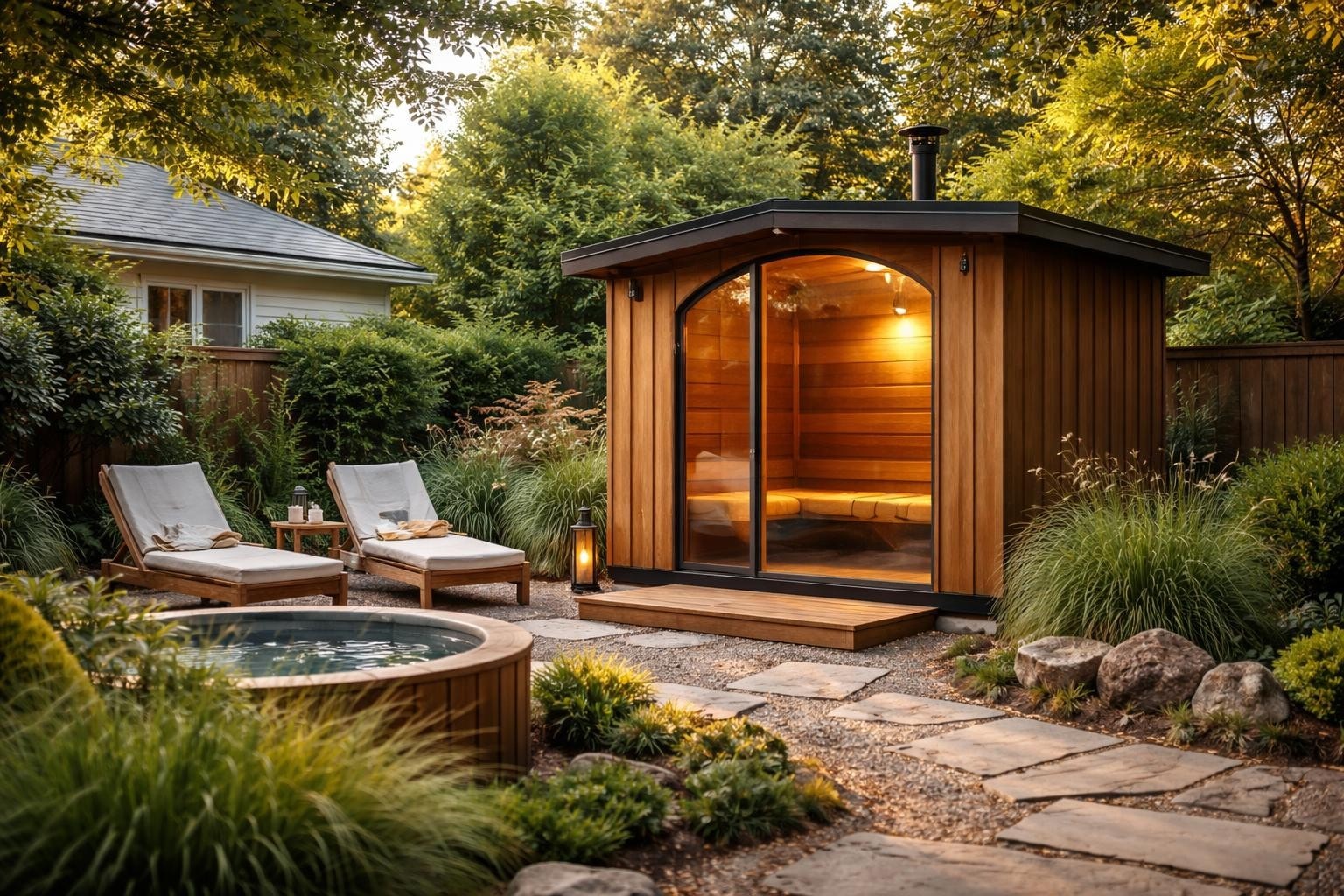
An outdoor cabin sauna transforms your backyard into a personal wellness retreat, offering the timeless tradition of heat therapy in a permanent, freestanding structure. Unlike barrel designs or indoor units, cabin-style saunas provide a traditional aesthetic with generous headroom, customizable layouts, and the durability to withstand decades of seasonal weather. As more homeowners invest in at-home wellness solutions in 2026, the outdoor cabin sauna has emerged as a premium choice for those seeking authentic sauna experiences combined with architectural presence and flexible capacity options.
Understanding Outdoor Cabin Sauna Design and Construction
An outdoor cabin sauna features a traditional box or rectangular structure with vertical walls, pitched or flat roofing, and a door that opens into a fully enclosed heat chamber. This architectural approach differs significantly from curved barrel designs, offering distinct advantages in interior space utilization and exterior customization options.
Structural Components and Build Quality
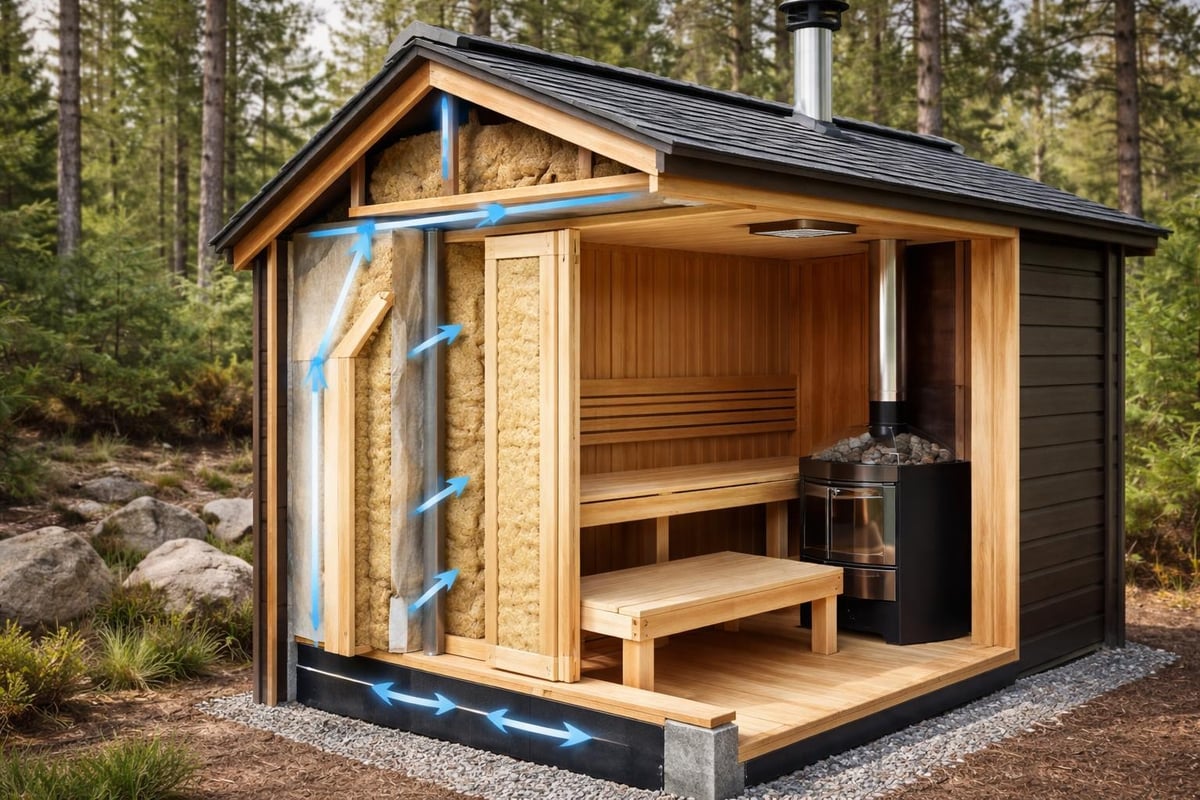
The foundation of any quality outdoor cabin sauna begins with premium wood selection. Eastern White Cedar, Red Cedar, and Nordic Spruce represent the most common construction materials, each offering natural resistance to moisture, decay, and insect damage. These woods contain essential oils that withstand temperature extremes while releasing pleasant aromatic compounds during heating cycles.
Key structural elements include:
- Wall thickness ranging from 1.5 to 2.5 inches for optimal insulation
- Tongue-and-groove joinery ensuring airtight panel connections
- Reinforced framing to support roof loads and maintain structural integrity
- Tempered glass doors and windows rated for thermal stress
- Ventilation systems with adjustable intake and exhaust vents
Modern outdoor cabin saunas incorporate metal roofing materials like corrugated steel or architectural shingles that provide superior weather protection compared to traditional wood shingles. The roof pitch typically ranges from 15 to 30 degrees, allowing efficient water runoff while maintaining reasonable ceiling heights inside the sauna chamber.
Sizing and Capacity Considerations
Selecting the appropriate dimensions for your outdoor cabin sauna depends on user capacity, available space, and intended usage patterns. Standard configurations range from compact two-person models to spacious eight-person family units.
| Sauna Size | Dimensions (ft) | Capacity | Ideal Use Case |
|---|---|---|---|
| Compact | 4 x 4 to 5 x 5 | 1-2 people | Solo wellness, couples |
| Medium | 5 x 6 to 6 x 7 | 3-4 people | Small families, regular use |
| Large | 6 x 8 to 8 x 10 | 5-6 people | Entertaining, group sessions |
| Extra Large | 8 x 12+ | 7-8+ people | Commercial-grade, events |
Interior ceiling height represents another critical dimension. Most outdoor cabin saunas feature 6.5 to 7-foot ceilings, providing comfortable headroom for standing users while maintaining efficient heat circulation. This vertical space allows for tiered bench configurations, with upper benches positioned for maximum heat exposure and lower benches offering moderate temperature zones.
The cabin sauna design from Home Sauna Depot emphasizes that proper spatial planning should account for bench depth (typically 18-24 inches), aisle width (minimum 24 inches), and heater clearance zones to ensure both comfort and safety.
Heating Systems and Temperature Management
The heart of any outdoor cabin sauna is its heating system, which determines temperature range, energy efficiency, and overall user experience. Traditional and modern heating options each offer distinct benefits for outdoor installations.
Electric Heater Configurations
Electric sauna heaters dominate the residential outdoor cabin sauna market due to their reliability, safety features, and ease of installation. These units range from 4.5 kW for small cabins to 12+ kW for larger structures, with power requirements typically necessitating dedicated 240V circuits.
Premium electric heaters incorporate the following features:
- Digital temperature controls with precise degree adjustments
- Built-in timers for automatic shutdown safety
- Rock chambers holding 30-60 pounds of sauna stones
- Rapid heating capabilities reaching 180°F within 30-45 minutes
- UL or CSA certification for outdoor electrical use
Wood-fired heaters provide an authentic, off-grid alternative that many sauna purists prefer. These systems require proper chimney installation, spark arrestors, and clearance from combustible materials. Wood-burning outdoor cabin saunas create traditional "löyly" (steam) when water contacts heated stones, producing the soft, enveloping heat characteristic of Finnish sauna culture.
The outdoor sauna guide from Den Outdoors notes that wood-fired systems require more maintenance but offer unmatched ambiance and independence from electrical infrastructure.
Site Selection and Foundation Requirements
Proper placement of your outdoor cabin sauna significantly impacts longevity, usability, and enjoyment. Site selection involves evaluating multiple factors including drainage, access, privacy, and utility connections.
Essential site characteristics:
- Level ground or properly graded foundation pad
- Minimum 10-foot clearance from property lines and structures
- Adequate drainage to prevent water accumulation
- Electrical service access for heated models
- Privacy screening from neighboring properties
Foundation options range from simple gravel pads to engineered concrete slabs. A 4-inch crushed stone base topped with patio pavers provides excellent drainage while creating a stable platform for cabin placement. For permanent installations, a poured concrete slab with vapor barrier offers maximum stability and moisture protection.
According to outdoor sauna planning guidance from Harospec Data, proper site preparation should include consideration of seasonal sun exposure, prevailing wind direction, and accessibility during winter months when snow accumulation may affect pathways.
Installation and Assembly Process
Most outdoor cabin saunas arrive as prefabricated kits designed for homeowner assembly or professional installation. The modular construction approach reduces shipping costs while maintaining build quality through factory precision.
Kit Components and Assembly Steps
A typical outdoor cabin sauna kit includes pre-cut wall panels, roof trusses, door assembly, window units, benching materials, and all necessary hardware. Detailed instructions guide builders through a systematic assembly process that typically requires 16-24 hours of labor for two people.
Standard assembly sequence:
- Foundation preparation and leveling verification
- Floor panel installation with moisture barrier
- Wall panel assembly using tongue-and-groove connections
- Roof truss installation and securing
- Roofing material application
- Door and window installation
- Interior bench construction
- Heater mounting and electrical connections
- Ventilation system setup
- Final sealing and weatherproofing
Professional installation services streamline this process while ensuring compliance with local building codes and electrical requirements. Many manufacturers offer installation support or certified installer networks to assist customers who prefer expert assembly.
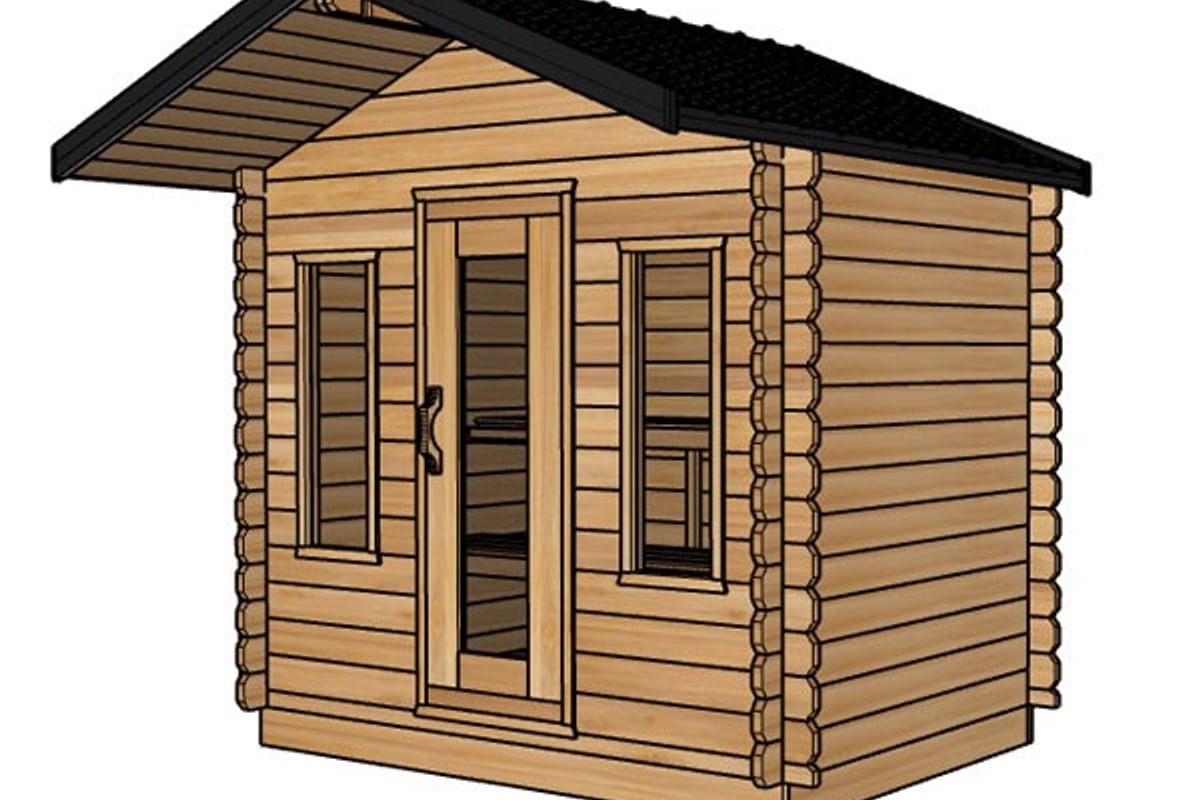
For homeowners seeking a premium outdoor cabin sauna that combines traditional craftsmanship with modern convenience, the Canadian Timber Palmer Cabin Sauna represents an excellent choice with its handcrafted Eastern White Cedar construction and compact 6x8 layout designed for 3-4 person capacity.
Electrical and Plumbing Considerations
Integrating utilities into your outdoor cabin sauna requires careful planning and adherence to local codes. Most jurisdictions classify outdoor saunas as accessory structures subject to specific electrical and building regulations.
Power Requirements and Safety
Electric sauna heaters demand substantial power draws, typically requiring dedicated 40-60 amp circuits at 240 volts. Licensed electricians should handle all wiring from the main service panel to the sauna structure, incorporating GFCI protection, proper conduit burial depths, and weather-resistant outdoor outlets.
| Heater Size | Voltage | Amperage | Circuit Breaker |
|---|---|---|---|
| 4.5 kW | 240V | 19A | 30A |
| 6.0 kW | 240V | 25A | 40A |
| 8.0 kW | 240V | 33A | 50A |
| 9.0 kW | 240V | 37A | 60A |
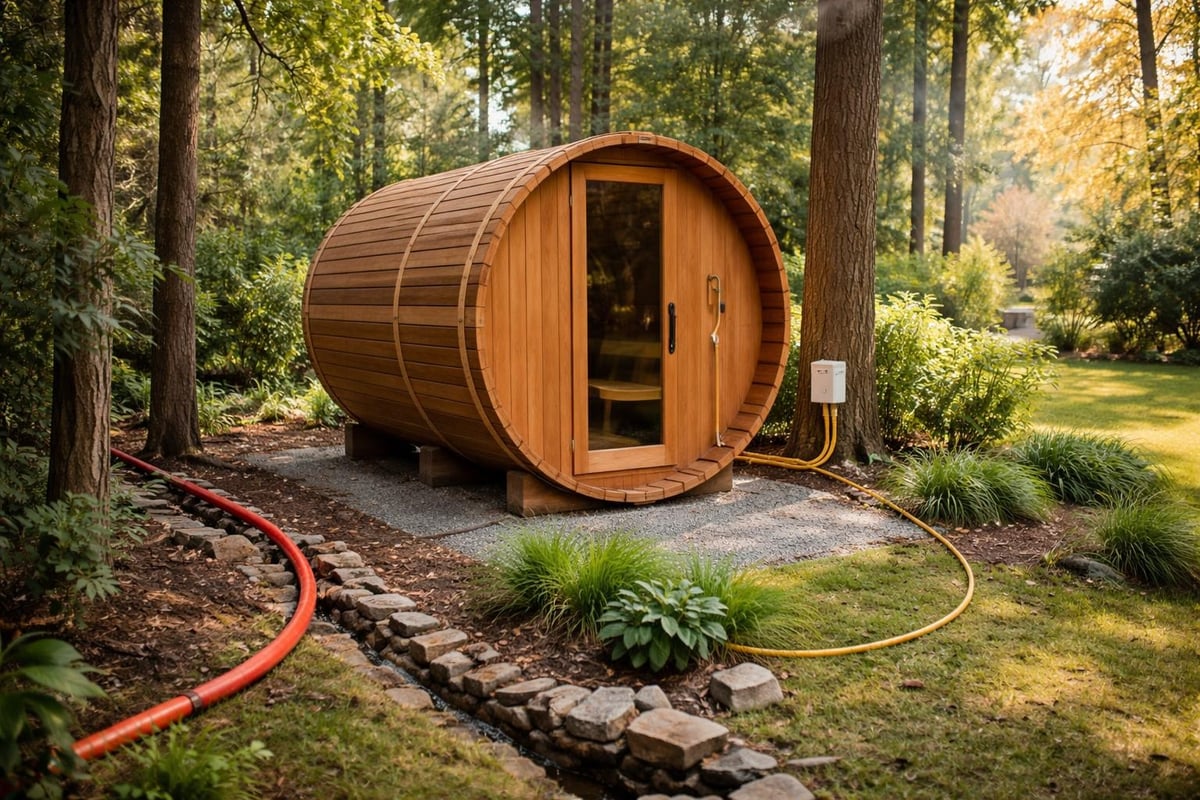
While plumbing is not essential for basic outdoor cabin sauna operation, some owners install outdoor shower stations, foot-washing areas, or cooling pools nearby to enhance the bathing experience. These additions require freeze-proof piping in cold climates and proper drainage systems to prevent standing water issues.
Maintenance and Seasonal Care
Preserving your outdoor cabin sauna's appearance and functionality requires consistent maintenance adapted to your regional climate. Wood exteriors, heating systems, and ventilation components each demand specific care protocols.
Monthly maintenance checklist:
- Inspect exterior wood for signs of moisture damage or cracking
- Clean sauna stones and remove debris from heater elements
- Verify door seals and weather stripping integrity
- Test ventilation dampers for smooth operation
- Wipe down interior benches with mild sauna cleaner
- Check roof for debris accumulation or damage
Seasonal deep-cleaning involves removing all sauna stones for washing, inspecting electrical connections for corrosion, and treating exterior wood with appropriate sealers or stains. The outdoor sauna maintenance guide from Sauna Weekly recommends annual reapplication of water-repellent wood treatments to maintain cedar's natural resistance to weathering.
Winter preparation in freezing climates includes draining any water lines, insulating exposed pipes, and ensuring proper snow load capacity for roof structures. Some owners install small heaters or dehumidifiers during off-seasons to prevent excessive moisture accumulation in unused saunas.
Customization Options and Premium Features
Modern outdoor cabin saunas offer extensive customization possibilities beyond basic heating and seating arrangements. These upgrades enhance comfort, aesthetics, and overall wellness benefits.
Interior Enhancements
Advanced lighting systems transform the sauna atmosphere while providing practical illumination. LED strips, fiber optic star ceilings, and chromotherapy color panels create ambient environments that complement heat therapy sessions. Waterproof sound systems with Bluetooth connectivity allow users to enjoy music, podcasts, or guided meditation during sauna time.
Bench configurations vary from simple single-tier designs to elaborate multi-level arrangements with ergonomic backrests, footrests, and contoured seating surfaces. Some manufacturers offer removable bench sections that convert seating areas into reclining positions for ultimate relaxation.
Popular upgrade options include:
- Panoramic glass walls for scenic views
- Covered porches or changing rooms
- Cedar or Himalayan salt wall panels
- Built-in storage cubbies
- Exterior lighting packages
- Custom door styles and hardware
Exploring the selection at RecoSauna's outdoor sauna collection reveals numerous design variations from traditional Nordic styles to contemporary architectural statements that complement modern landscape designs.
Health Benefits and Wellness Integration
Regular use of an outdoor cabin sauna provides documented physiological and psychological benefits that justify the investment for wellness-focused homeowners. Heat exposure triggers beneficial responses throughout multiple body systems.
Cardiovascular improvements occur as elevated temperatures increase heart rate and blood circulation similar to moderate exercise. Studies indicate that frequent sauna bathing correlates with reduced risk of cardiovascular events and improved arterial health. The heat stress adaptation strengthens the cardiovascular system over time through repeated exposure.
Detoxification through sweating eliminates various compounds including heavy metals, environmental toxins, and metabolic waste products. While kidneys and liver perform primary detoxification roles, sauna-induced perspiration provides an additional elimination pathway that supports overall cleansing processes.
Additional wellness benefits include:
- Muscle recovery and reduced post-exercise soreness
- Stress reduction through parasympathetic nervous system activation
- Improved sleep quality when sessions occur 1-2 hours before bedtime
- Enhanced skin health and complexion
- Respiratory system support and congestion relief
- Social bonding during shared sauna experiences
Integrating your outdoor cabin sauna into a comprehensive wellness routine alongside cold plunges, meditation, and proper hydration maximizes these health outcomes. Many enthusiasts create dedicated wellness zones in their backyards, combining backyard sauna installations with complementary recovery tools.
Permit Requirements and Code Compliance
Most municipalities classify outdoor cabin saunas as accessory structures requiring building permits, electrical permits, and zoning approval. Regulatory requirements vary significantly by location, making local research essential before purchasing or installing your sauna.
Common Regulatory Considerations
Setback requirements typically mandate minimum distances from property lines, ranging from 5 to 15 feet depending on jurisdiction. Height restrictions may limit cabin dimensions, particularly in residential zones with strict accessory structure regulations. Some homeowner associations impose additional aesthetic requirements or outright prohibitions on detached structures.
Electrical work must comply with National Electrical Code (NEC) standards and local amendments, requiring licensed electrician involvement and inspection approval. Fire safety codes address heater clearances, combustible material distances, and ventilation requirements to prevent carbon monoxide accumulation in wood-fired models.
The comprehensive outdoor sauna planning resource from Harospec Data emphasizes the importance of consulting local building departments early in the planning process to identify all applicable requirements and avoid costly compliance issues.
Cost Analysis and Investment Considerations
Understanding the total investment required for an outdoor cabin sauna helps homeowners budget appropriately and select options that align with financial parameters. Costs span initial purchase, installation, ongoing operation, and long-term maintenance.
| Cost Category | Budget Range | Mid-Range | Premium |
|---|---|---|---|
| Sauna Structure | $3,000-$6,000 | $6,000-$12,000 | $12,000-$25,000+ |
| Foundation | $500-$1,500 | $1,500-$3,000 | $3,000-$6,000 |
| Electrical | $800-$2,000 | $2,000-$3,500 | $3,500-$6,000 |
| Installation Labor | $1,000-$2,500 | $2,500-$5,000 | $5,000-$10,000 |
| Permits/Fees | $200-$500 | $500-$1,000 | $1,000-$2,000 |
Operating costs primarily involve electricity for heated models, averaging $20-$50 monthly for regular use at typical residential utility rates. Wood-fired saunas incur fuel costs of $15-$30 monthly depending on firewood prices and usage frequency. Annual maintenance expenses typically total $100-$300 for cleaning supplies, wood treatments, and minor repairs.
Property value appreciation represents a tangible return on sauna investment. Well-designed outdoor wellness features increasingly attract buyers in premium real estate markets, potentially recovering 50-80% of installation costs upon resale. The lifestyle value and health benefits provide intangible returns that many owners consider equally important as financial considerations.
Comparing Cabin Saunas to Alternative Designs
While outdoor cabin saunas offer distinct advantages, understanding how they compare to barrel saunas, pod designs, and indoor units helps buyers select the optimal configuration for their specific needs and preferences.
Barrel saunas provide unique aesthetic appeal with their curved design and efficient heat circulation patterns. The cylindrical shape naturally promotes air movement and eliminates corner cold spots. However, barrel designs sacrifice headroom along the perimeter and may feel cramped for taller users. Cabin structures maximize usable interior volume with vertical walls and higher ceilings.
Pod saunas offer modern, minimalist styling in compact footprints ideal for urban yards or limited spaces. These contemporary designs typically accommodate 1-3 people and emphasize space efficiency over traditional aesthetics. Those exploring compact options can review pod sauna models for comparison with full cabin structures.
Indoor saunas eliminate weather exposure concerns but consume valuable interior square footage and require extensive moisture management to protect surrounding building materials. The electric sauna collection includes both indoor and outdoor options, highlighting the versatility of modern sauna technology across installation environments.
An outdoor cabin sauna represents a significant investment in personal wellness, property value, and lifestyle quality that delivers decades of health benefits and relaxation opportunities. Whether you prioritize traditional aesthetics, maximum capacity, or customization flexibility, cabin-style designs offer versatile solutions that adapt to diverse backyard environments and user preferences. RecoSauna provides an extensive selection of premium outdoor cabin saunas from leading North American manufacturers, including high-quality Canadian Timber models and luxury cedar options that combine authentic craftsmanship with modern convenience. Explore the full range of configurations to find the perfect outdoor cabin sauna for your wellness journey.
Share:
Luxury Sauna: Design, Features & Premium Home Wellness
Sauna for Backyard: Complete 2026 Planning Guide