

The term hot sauna is nearly redundant. Every authentic sauna is hot by definition. Yet the phrase captures something specific: the threshold where dry air, radiant heat from stones and carefully timed steam create a physical shift most people never encounter elsewhere. In Finland, where sauna culture earned UNESCO recognition as Intangible Cultural Heritage in 2020, a hot sauna means 160°F to 195°F on the bench, with löyly (steam from water on heated stones) that transforms passive sitting into active recovery. Understanding what makes a sauna properly hot, how temperature interacts with humidity and where safety boundaries lie helps homeowners design spaces that deliver real benefit rather than discomfort.
Temperature Ranges That Define a Hot Sauna
A hot sauna typically operates between 150°F and 195°F, measured at head height on the upper bench. Most commercial and residential electric heaters in North America default to 160°F to 175°F, a range comfortable for first-time users and sustained sessions. Wood-burning stoves in traditional Finnish saunas often reach 180°F to 195°F, where seasoned bathers tolerate higher heat for shorter intervals.
Temperature alone does not define the experience. Humidity plays an equally important role. Dry air at 180°F feels less intense than the same temperature with 20% humidity from löyly. When water hits hot stones, steam floods the room, raising perceived heat and triggering deeper sweating. This interplay between dry heat and brief bursts of steam separates authentic Finnish practice from static infrared cabins.
How Bench Height Affects Perceived Heat
Heat rises, so temperature varies by elevation inside the room. The floor may register 120°F while the upper bench reaches 185°F. Sitting lower offers milder exposure; moving higher intensifies the session. This vertical gradient lets bathers self-regulate without adjusting the heater.
- Lower bench: 140°F to 160°F, ideal for beginners or longer sessions
- Middle bench: 160°F to 175°F, balanced heat for most adults
- Upper bench: 175°F to 195°F, intense heat for experienced users
Children, elderly bathers and anyone new to sauna should start on lower benches and move upward only after adapting to the heat. This simple vertical choice prevents overheating without complicated controls.
Health Effects Associated with Hot Sauna Use
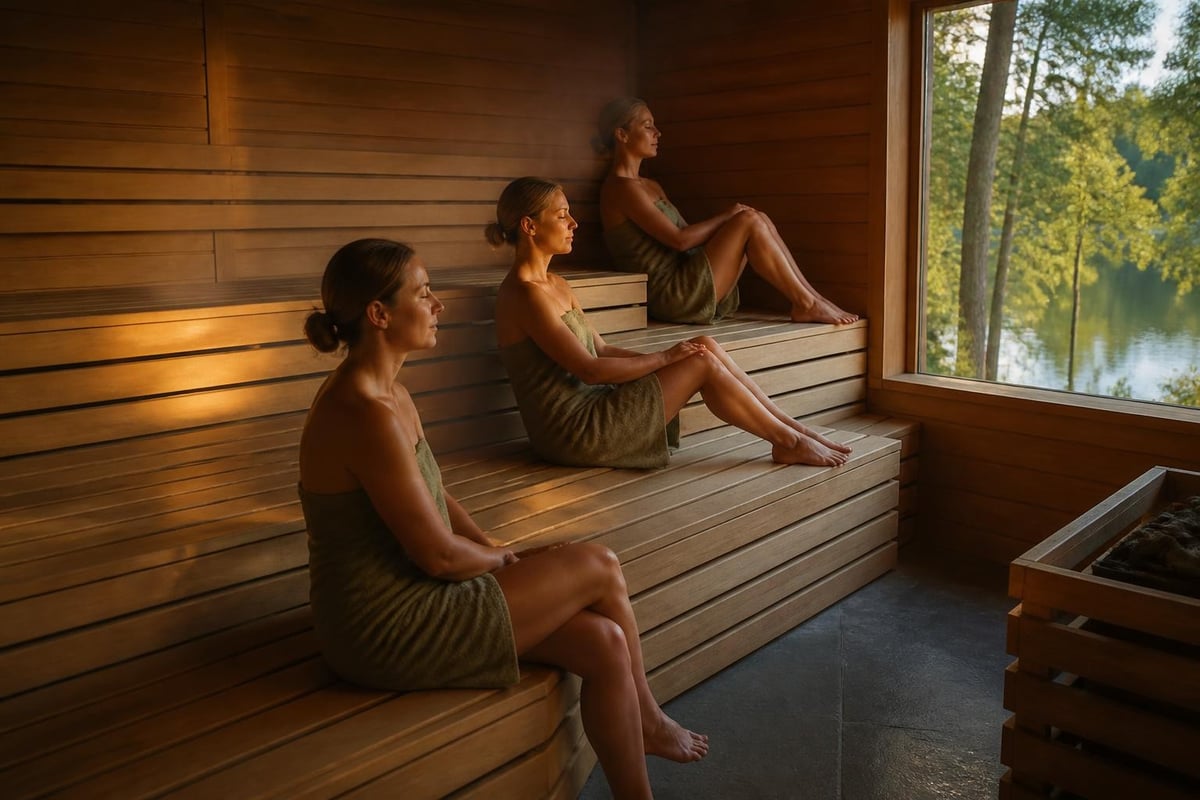
Research links regular hot sauna bathing to cardiovascular and longevity outcomes, though most data comes from observational studies rather than randomized trials. A large Finnish cohort study found that men who used a sauna four to seven times per week had lower all-cause and cardiovascular mortality compared to once-weekly users. The study controlled for lifestyle factors but cannot prove causation.
Acute physiological responses during a hot sauna session include elevated heart rate (similar to moderate exercise), increased skin blood flow and core temperature rise of 1°F to 2°F. These changes mimic mild cardiovascular stress, which may condition the body over time. A 2024 review of passive heat therapies describes mechanisms including improved endothelial function, reduced arterial stiffness and favorable changes in inflammatory markers.
Cardiovascular and Metabolic Responses
Systematic reviews and meta-analyses of randomized controlled trials show that passive heating, including Finnish sauna, may improve vascular function and reduce blood pressure in some populations. Effect sizes remain modest, and individual responses vary widely. Sauna is not a substitute for exercise or medication but may complement other wellness practices.
| Physiological Marker | Observed Change During Hot Sauna |
|---|---|
| Heart rate | Increases 50-80% above resting |
| Systolic blood pressure | Decreases transiently post-session |
| Core temperature | Rises 1-2°F during 15-20 min session |
| Skin blood flow | Increases up to 60% of cardiac output |
These responses depend on session duration, temperature, humidity and individual fitness. Healthy adults tolerate heat stress well; those with cardiovascular conditions should consult a physician before beginning regular hot sauna use.
Safety Practices and Heat-Related Risks
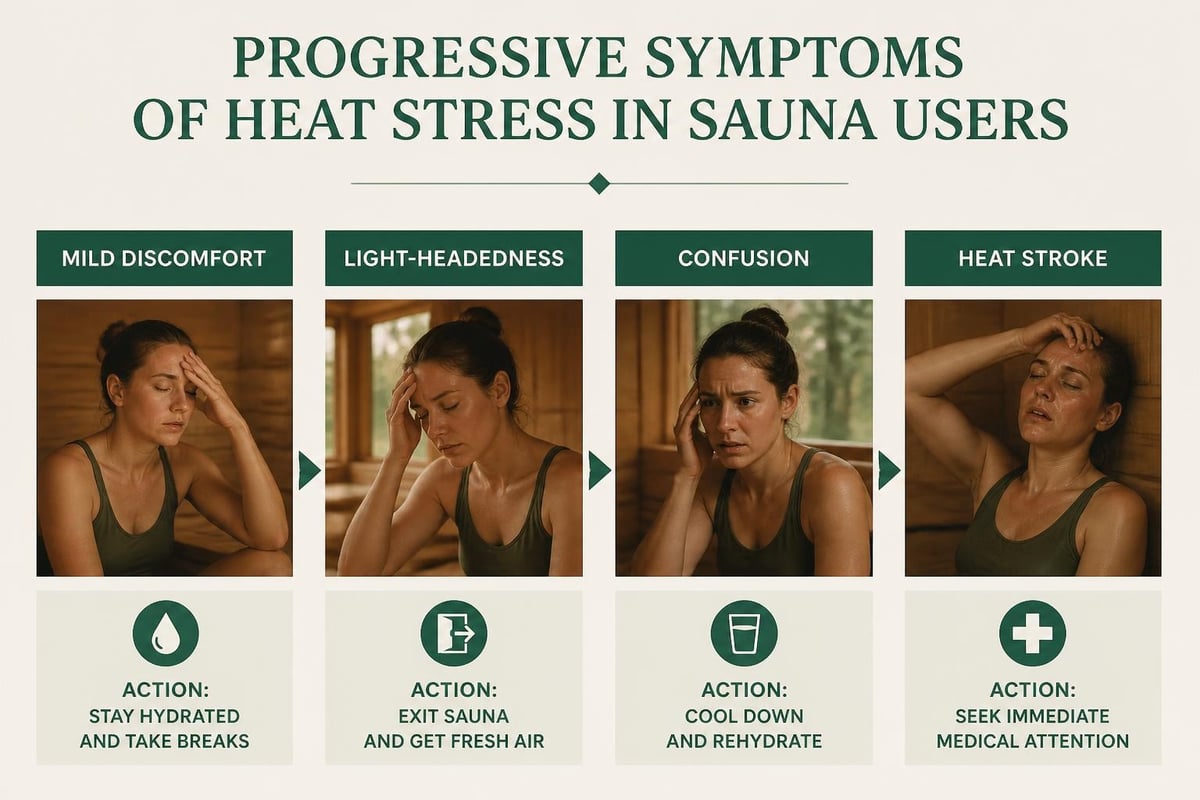
Heat exposure carries real risk when ignored. Heat-related illnesses range from mild heat exhaustion to life-threatening heat stroke. Symptoms include dizziness, nausea, confusion, rapid pulse and cessation of sweating. Sauna-specific incidents often involve alcohol consumption, pre-existing medical conditions or sessions exceeding 20 minutes at extreme temperatures.
Safe hot sauna practice follows simple principles:
- Hydrate before and after each session; drink water, not alcohol
- Limit sessions to 10-20 minutes, especially above 180°F
- Exit immediately if you feel dizzy, nauseous or disoriented
- Cool gradually rather than plunging into ice water without acclimatization
- Avoid sauna when ill, feverish or after heavy alcohol use
Children, pregnant women and individuals with cardiovascular disease, uncontrolled hypertension or neurological conditions require medical clearance. OSHA guidelines on heat exposure provide additional workplace safety context, though residential sauna use falls outside regulatory scope.
Recognizing and Responding to Overheating
Warning signs appear before serious harm occurs. Light-headedness, tingling in extremities and a racing heart signal the body's limit. Exit the sauna, sit or lie down in a cool space and drink water. Most symptoms resolve within minutes.
Heat stroke, while rare in sauna settings, demands immediate medical attention. Confusion, loss of consciousness or hot, dry skin indicate a medical emergency. Never ignore these signs or attempt to "push through" discomfort in a hot sauna.
Wood-Burning Versus Electric Heaters in a Hot Sauna
Wood-fired stoves and electric heaters produce different qualities of heat. A wood-burning sauna reaches higher peak temperatures, often 185°F to 200°F, with radiant heat from the stove body itself. The fire demands attention-adding logs, adjusting airflow-which becomes part of the ritual. Electric heaters maintain consistent temperature with thermostatic control, appealing to users who prefer convenience.
Both systems rely on a mass of stones to store heat and generate löyly. Stone capacity matters more than heater type. A larger stone pile retains heat longer and produces gentler, longer-lasting steam. Insufficient stone mass leads to rapid temperature swings and harsh, short-lived steam.
Choosing Between Heater Types for Backyard Installation
Electric heaters suit most North American backyards. They require only a 240V electrical connection, no chimney and minimal maintenance. Wood-burning stoves deliver a more traditional experience but demand proper venting, regular ash removal and a dry wood supply. Local building codes and fire regulations often dictate which option is feasible.
| Feature | Wood-Burning Heater | Electric Heater |
|---|---|---|
| Peak temperature | 185-200°F | 160-180°F |
| Installation cost | Higher (chimney) | Lower (electrical) |
| Maintenance | Ash removal, chimney cleaning | Minimal |
| Ritual engagement | High (tending fire) | Low (turn on, adjust) |
| Permitting complexity | Higher in urban areas | Lower |
For homeowners planning a backyard sauna, electric heating simplifies installation while preserving authentic heat quality. Wood-burning stoves remain the choice for those seeking the full sensory experience and willing to manage the added complexity.
How Löyly Transforms a Hot Sauna Session
Löyly is the heart of Finnish sauna culture. The word means both the steam created when water meets hot stones and the spiritual essence of the sauna itself. In practice, löyly turns a static hot room into a dynamic heat experience. A ladle of water on 400°F stones produces a wave of steam that envelops the skin, triggering immediate, intense sweating.
Timing and quantity matter. Too much water at once cools the stones and creates harsh, unpleasant steam. Too little produces no noticeable effect. Experienced bathers add small amounts every few minutes, building humidity gradually. The stones must be properly heated-glowing if wood-fired, or after at least 45 minutes for electric heaters.
Technique for Creating Good Löyly
Use clean water, never scented oils or additives on the stones themselves. Essential oils can be added to a separate dish or the sauna walls, never directly on heater rocks. Pour water from a long-handled ladle, standing to the side to avoid the initial steam blast. One small ladle (approximately 4-6 ounces) raises humidity noticeably; wait a minute before adding more.
Stone quality affects löyly longevity. Igneous rocks like olivine, peridotite or Finnish soapstone withstand repeated heating and cooling without cracking. Soft stones or river rock can explode when heated, posing serious injury risk. Use only stones rated for sauna heaters.
Designing a Hot Sauna for Year-Round Comfort
A properly designed hot sauna operates efficiently in Minnesota winters and Texas summers. Insulation, ventilation and heater sizing determine performance. Walls should include at least R-13 insulation in floor and walls, R-19 or higher in the ceiling. Without adequate insulation, heat escapes rapidly, forcing the heater to run continuously and creating uneven temperatures.
Ventilation prevents stuffiness and ensures fresh air circulation. A passive vent near the floor supplies intake air, while an adjustable vent near the ceiling or behind the heater allows moisture and stale air to escape. Mechanical ventilation is unnecessary and often counterproductive, cooling the room too quickly.
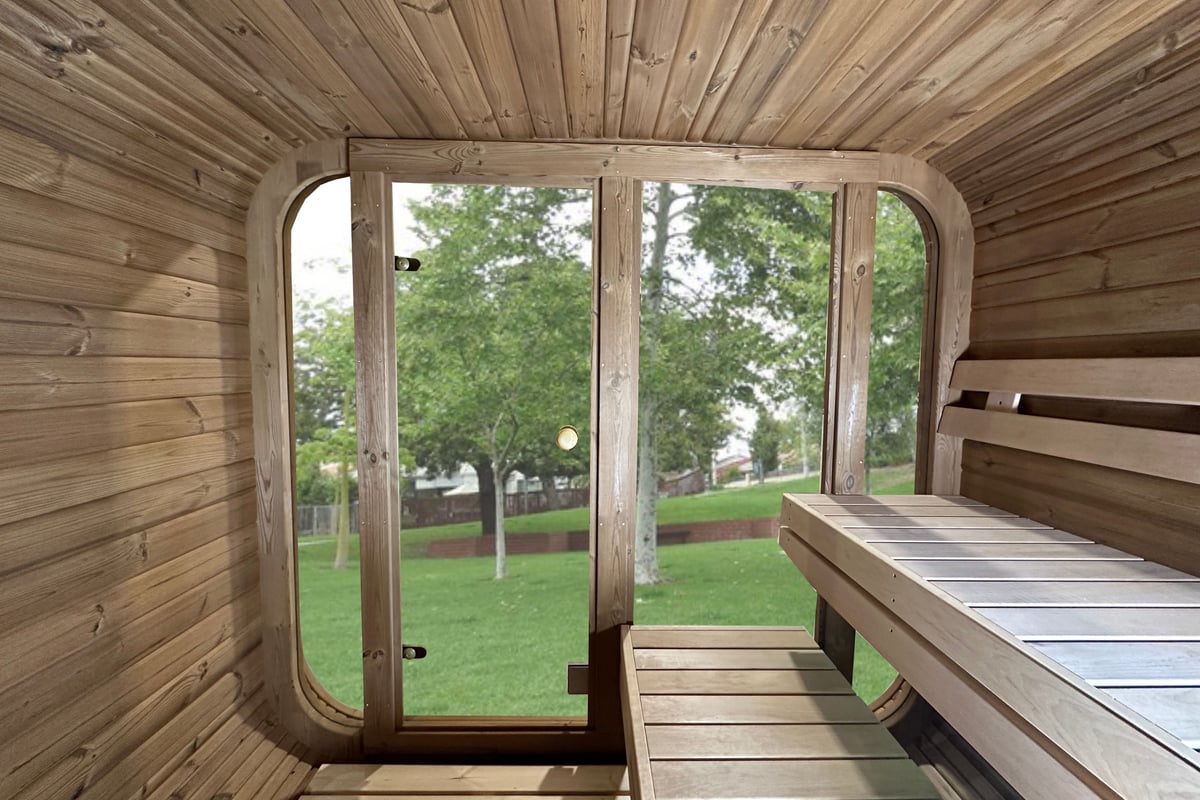
Modern outdoor saunas like the RecoSauna Sisu Square Sauna combine 46 mm solid Thermowood walls with panoramic tinted glazing and insulated roof structures. Thermowood withstands temperature extremes and moisture without rot, maintaining structural integrity across seasons. The spacious square design supports both electric and wood-burning heaters, accommodating two to six users comfortably.
Heater Sizing and Layout Considerations
Heater output should match room volume. A general rule: 1 kW per 45-50 cubic feet of interior space. A 6' × 8' × 7' sauna (336 cubic feet) requires approximately 6-7 kW. Undersized heaters struggle to reach temperature; oversized units cycle on and off too frequently, reducing stone heat retention.
- Heater placement: Centered on longest wall or corner position for even heat distribution
- Stone capacity: Minimum 40-60 lbs for residential saunas; more is better
- Bench distance: 18-24 inches from heater to prevent burns
- Glass and windows: Tempered safety glass rated for 200°F+ temperature swings
Proper planning prevents expensive retrofits. Consult manufacturer guidelines and local electrical codes before finalizing heater selection. For those renovating existing spaces, professional insight from companies like Kreeative Renovations & Design Co. ensures structural and electrical work meets both building standards and sauna-specific requirements.
Interior Materials That Handle High Heat
Not all wood tolerates 190°F and 100% humidity spikes. Cedar, hemlock, aspen and Nordic spruce dominate North American sauna interiors. Each has distinct characteristics. Western red cedar resists moisture and insects but can feel resinous in extreme heat. Aspen and Nordic spruce remain cool to the touch even at high temperature, making them ideal for bench surfaces and backrests.
Black alder, popular in Finnish saunas, combines low thermal conductivity with pleasant aroma when heated. It darkens slightly with use, developing a rich patina over time. Avoid softwoods with high resin content (pine, fir) and any treated lumber. Chemicals outgas when heated, creating toxic fumes.
Flooring should be durable and slip-resistant. Slatted wooden duckboards allow drainage and air circulation. Ceramic tile works in indoor installations but becomes slippery when wet. Concrete, while durable, absorbs heat and feels uncomfortable underfoot.
Bench Design for Comfort in a Hot Sauna
Wide benches (18-24 inches) let bathers recline fully, distributing body weight and reducing pressure points during longer sessions. Two-tier or three-tier designs accommodate different heat preferences. Rounded or softened edges prevent uncomfortable pressure on thighs and calves.
Spacing between slats allows air circulation and prevents moisture accumulation. Slats should run parallel to the longest wall, supporting natural sitting and reclining positions. Backrests angled at 10-15 degrees increase comfort without requiring pillows or added supports.
Quality furniture design principles apply in sauna interiors just as in living spaces. The same attention to ergonomics and material selection found in contemporary furniture from Bauhaus translates to sauna benches-focus on lasting comfort, clean lines and materials that age gracefully.
Combining Hot Sauna with Cold Exposure
The cycle of hot and cold defines traditional Finnish practice. After 10-15 minutes in a hot sauna, stepping into cold water or winter air triggers vasoconstriction, flushing metabolic byproducts and creating a sensation of clarity and energy. This contrast, practiced for two millennia before modern researchers named it contrast therapy, forms the cornerstone of sauna for recovery.
Cold exposure need not be extreme. A cool shower (60-70°F), brief outdoor walk in winter or immersion in a plunge tub provides sufficient contrast. Gradual adaptation works better than shocking the system. Start with lukewarm water and progressively cooler temperatures over weeks.
Contrast timing varies by preference and experience. Some bathers alternate two or three times per session; others finish with a single cold plunge. There is no single correct protocol. Listen to your body and adjust based on how you feel, not rigid rules.
Integrating a Hot Sauna into Home Wellness Routines
Consistency matters more than session length. Fifteen minutes four times per week delivers more cumulative benefit than occasional 45-minute marathons. Build sauna into existing routines: after evening workouts, before bedtime or as a Sunday morning ritual. Anchor the habit to an existing trigger.
Pairing sauna with other recovery practices compounds benefits. Stretching in the heat increases range of motion safely. Breathwork during sauna sessions enhances relaxation response. Post-sauna hydration with electrolyte-rich fluids supports mineral balance.
For homeowners integrating wellness features into renovations or new builds, consider spatial relationships. Positioning a sauna near outdoor living areas or adjacent to a home gym creates functional flow. Even in smaller yards, compact models fit into underutilized corners or replace seldom-used sheds.
Creating a Complete Backyard Wellness Space
A dedicated outdoor sauna anchors a private recovery zone. Add simple elements: a cold plunge, outdoor shower, comfortable seating for post-sauna relaxation. Thoughtful lighting, landscaping and pathways transform functional equipment into a retreat.
When designing multi-room wellness spaces, audio and visual elements enhance the experience without compromising authenticity. Discreet lighting, weather-resistant speakers and climate-appropriate seating turn a utilitarian setup into an inviting environment. Specialists like ANR media work with custom solutions for integrating technology into wellness spaces without overwhelming the simplicity that makes sauna effective.
Maintenance That Preserves a Hot Sauna Over Decades
A well-built hot sauna requires minimal maintenance but benefits from regular attention. Wipe benches after each use to remove sweat and prevent staining. Leave the door open after sessions to allow moisture to escape and wood to dry. This simple step prevents mold and extends interior wood life.
Inspect heater stones annually. Cracked or crumbling stones reduce heat retention and should be replaced. Clean stone surfaces remove mineral deposits from water, maintaining even heat distribution. Electric heaters need periodic element inspection; wood stoves require chimney cleaning at least annually.
Exterior maintenance depends on wood type and finish. Thermowood, used in models like the RecoSauna Lumi and Havu lines, requires no staining or sealing. Its heat-modified structure resists moisture, decay and insects naturally. Unfinished cedar or hemlock benefits from periodic oil treatment to prevent weathering, though many owners prefer the natural silver-gray patina that develops over time.
Long-Term Wood Care and Refinishing
Interior wood rarely needs refinishing if properly maintained. Persistent stains can be sanded lightly with fine-grit sandpaper (180-220 grit), always following the grain. Avoid chemical cleaners or harsh abrasives that damage wood fibers and leave residue.
Exterior wood exposed to sun and rain weathers faster. Reapply exterior wood oil every 1-3 years in harsh climates, less often in protected locations. Corners, joints and horizontal surfaces need more frequent attention than vertical walls. Regular inspection catches small issues before they require major repairs.
Choosing Temperature Targets for Different Users
Beginners often assume hotter is better. The opposite is true. A moderate 160°F session builds heat tolerance without overwhelming the system. After weeks or months of regular use, higher temperatures become comfortable and desirable. Rushing this adaptation creates negative associations and increases dropout.
Children tolerate heat differently than adults. Keep sessions short (5-10 minutes), temperatures moderate (140-160°F) and always supervise. Never force a child to stay in a hot sauna. Let them exit freely, building positive associations with the practice.
Elderly bathers and those with health conditions benefit from conservative temperatures and shorter durations. Heat stress increases with age and certain medications. A 150°F sauna for 10 minutes provides benefits without excessive cardiovascular demand.
Personal Tolerance and Adaptation Over Time
Heat tolerance is trainable. Regular exposure increases sweat efficiency, expands blood plasma volume and improves thermoregulation. What felt unbearably hot in week one becomes comfortable by week eight. This adaptation is individual and non-linear. Some people acclimate quickly; others need months.
Track how you feel, not arbitrary temperature goals. A satisfying session leaves you relaxed and refreshed, not exhausted or lightheaded. Adjust temperature, duration and frequency based on subjective response rather than external benchmarks.
Regional Considerations for Operating a Hot Sauna
Climate affects both operation and energy costs. In Minnesota, a well-insulated outdoor sauna maintains temperature efficiently even at -20°F. In Arizona, summer ambient temperatures require less heater output, though extreme heat may make daytime sessions uncomfortable. Evening or early-morning use solves this.
Coastal regions face humidity challenges. High ambient humidity slows the drying process between sessions, increasing mold risk. Ensure adequate ventilation and leave doors open longer post-session. Interior sealants and proper drainage prevent moisture accumulation in walls and floor.
Energy costs vary by region and heater type. Electric saunas in areas with low electricity rates (hydroelectric regions) cost pennies per session. Wood-burning stoves in areas with abundant firewood reduce operating costs to near zero but require labor and storage space.
A hot sauna delivers physical recovery and mental clarity when temperature, humidity and session timing align with individual tolerance. Research shows associations between regular use and cardiovascular benefits, though proof of causation remains limited. Safety practices-hydration, appropriate duration and recognizing warning signs-ensure sessions remain beneficial rather than risky. At RecoSauna, we help North American homeowners bring authentic Finnish sauna culture home with Thermowood outdoor saunas designed for year-round use, free shipping across the USA and Canada, and personal guidance from founder Petri.
Share:
Home Gym Sauna: Complete Guide for 2026
Best Ice Bath: What Works and What Doesn't in 2026