
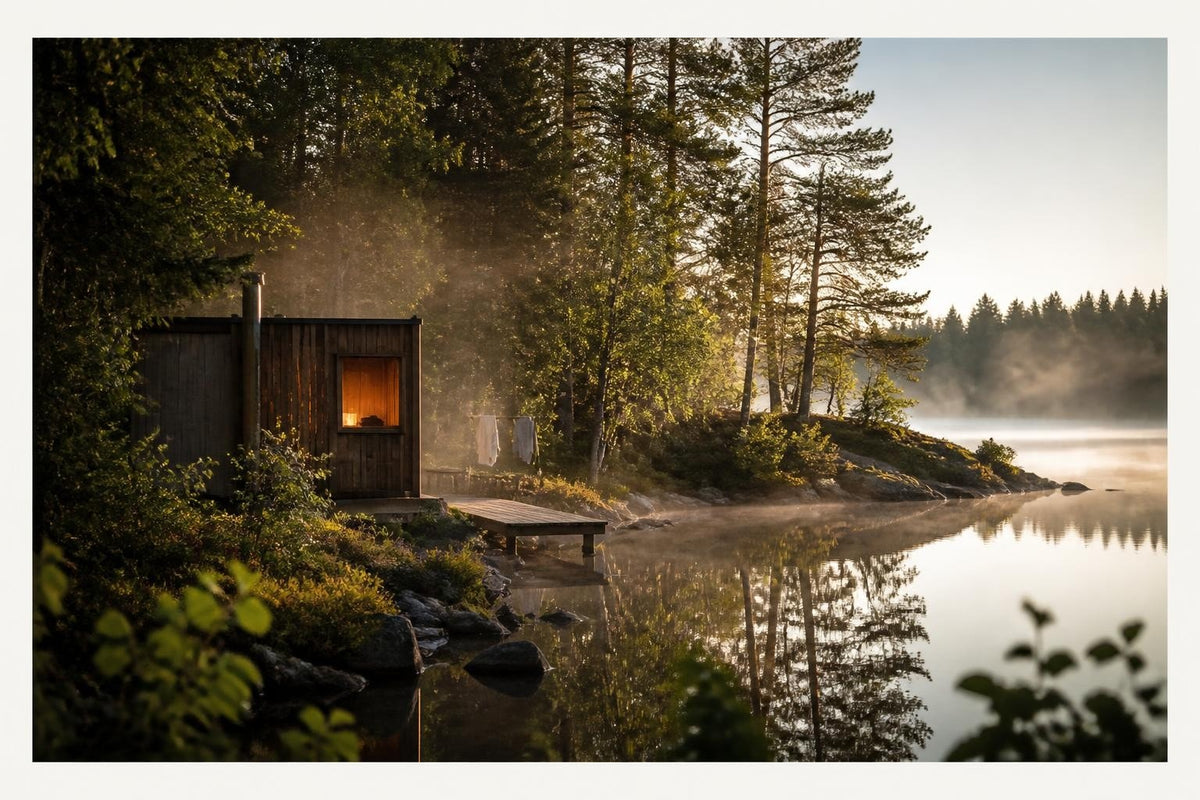
Home wellness starts with your indoor environment and the daily routines you build there. The foundation is air quality, thermal comfort, light, and space for recovery. Research shows these factors associate with better sleep, reduced stress, and improved physical resilience. A home wellness approach is not about adding devices or following protocols. It is about creating conditions where your body can shift from performance to recovery each day.
What Home Wellness Actually Means
Home wellness describes the physical conditions and routines that support recovery and health in your living space. This includes air quality, temperature, humidity, natural light, and dedicated areas for movement or thermal therapy.
The concept gained attention during 2020 when people spent more time at home. But the principles are not new. Finns have structured home life around recovery for generations. A sauna session followed by cold water. Time outdoors. Simple routines repeated daily.
Indoor air quality guidance from the EPA covers ventilation, filtration, and source control. These steps matter more than most realize. Poor air quality associates with disrupted sleep and respiratory irritation.
The Core Elements
Air quality depends on ventilation and filtration. Open windows when outdoor air is clean. Use HVAC filters rated MERV 13 or higher. Avoid synthetic fragrances and aerosol cleaners.
Thermal comfort varies by person and season. Most people sleep better in cooler rooms, between 60 and 67 degrees Fahrenheit. But daytime comfort depends on activity level and clothing.
Natural light helps regulate circadian rhythm. Harvard's research on bedroom environments emphasizes morning light exposure and dimming artificial light after sunset.
Recovery space can be a corner of a basement, a backyard sauna, or a cold plunge beside the deck. What matters is consistency. Daily use builds the benefit.
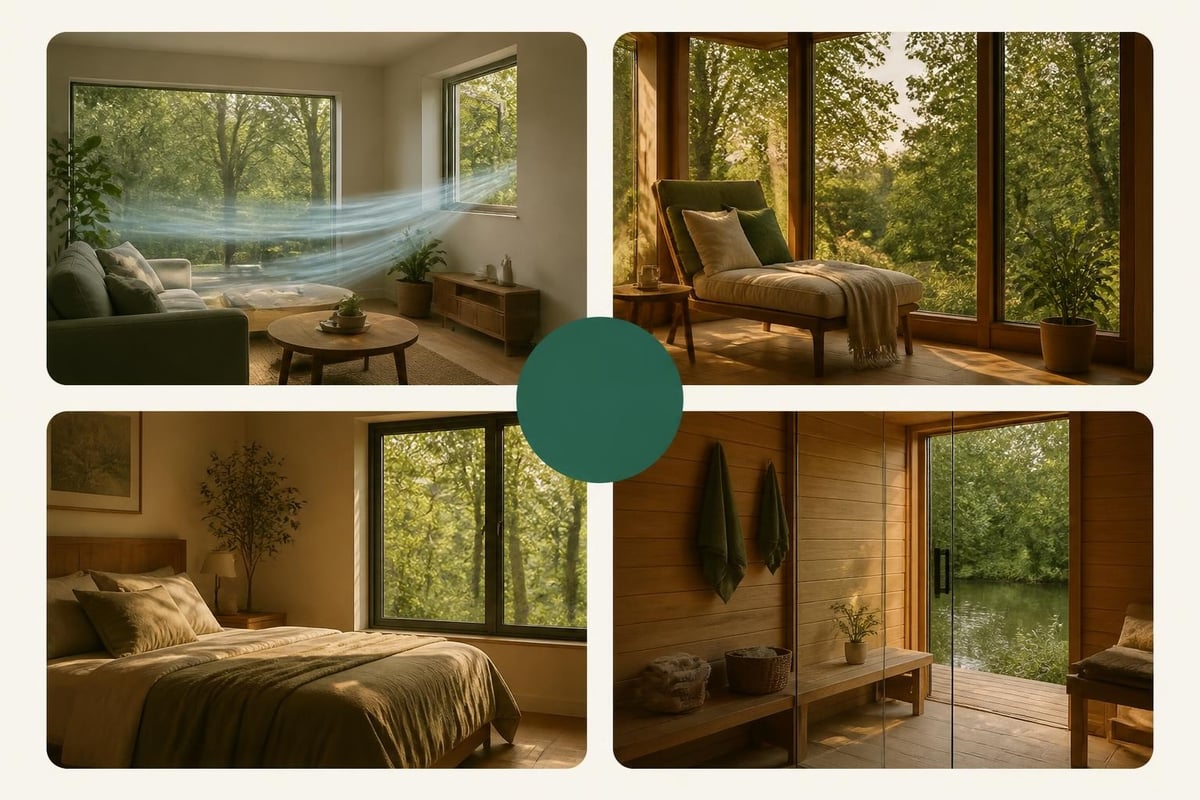
Comparing Home Wellness Spaces
Different spaces serve different needs. Some focus on heat therapy, others on cold exposure or movement. Understanding the differences helps you build what fits your routine.
| Space Type | Primary Benefit | Ideal Location | Maintenance Level |
|---|---|---|---|
| Traditional sauna | Heat and steam recovery | Backyard or basement | Medium (heater, wood care) |
| Infrared sauna | Gentle heat therapy | Indoor spare room | Low (wipe panels, check bulbs) |
| Cold plunge | Cold exposure recovery | Outdoor near sauna | Medium (clean weekly, temp control) |
Traditional saunas use a wood-burning or electric heater to heat stones. You pour water on the stones to create steam. This is löyly, the moment heat becomes recovery. It requires proper ventilation and regular wood maintenance if you choose Eastern White Cedar or Canadian Hemlock.
Infrared saunas heat your body directly with infrared panels. No steam, lower temperature. Easier to install in a spare bedroom or finished basement. Less maintenance but a different experience.
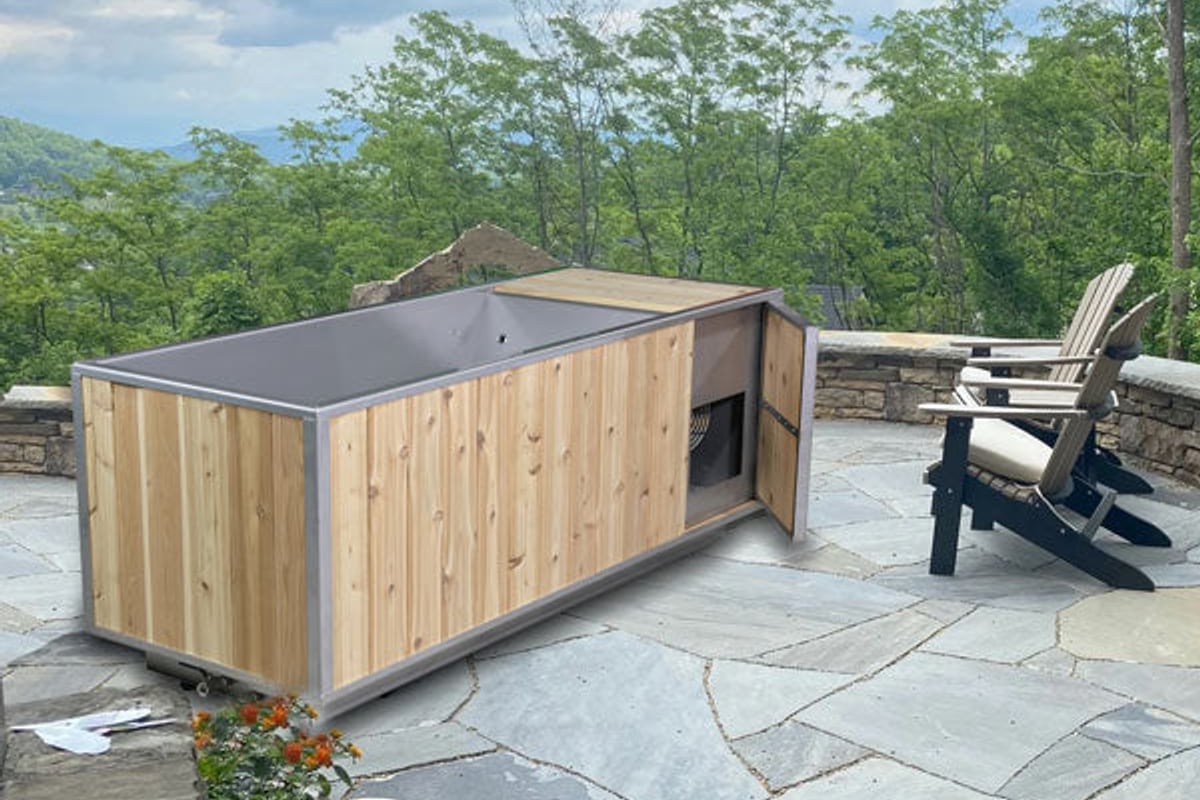
Cold plunge tubs hold 100 to 150 gallons of cold water. Some include chillers, others rely on ice or cold weather. Placement matters. You want easy access from your sauna for contrast therapy.
Choosing the Right Fit
Start with your routine. If you plan to use heat therapy daily, an indoor infrared sauna may fit better. If you prefer deeper sessions on weekends, a backyard traditional sauna makes sense.
Consider your climate. In colder states like Minnesota, Michigan, or upstate New York, an outdoor sauna works year-round. The contrast between hot sauna and cold air is sharp and effective.
Space and budget guide the decision. A two-person infrared sauna fits in a 4x4 foot corner. A barrel sauna with a changing room needs 8x12 feet of yard space.
What to Look for in Sauna Construction
Wood quality determines durability and maintenance. Eastern White Cedar resists moisture and insects naturally. Canadian Hemlock and Thermo Grandis offer similar performance with different grain and color.
Avoid softwoods that splinter or warp quickly. Cheap cedar may not be kiln-dried, leading to gaps and shrinkage.
Heater Sizing and Stone Mass
Electric heater size depends on sauna volume. A 6x6 foot sauna with an 8-foot ceiling requires a 6 to 8 kW heater. Undersized heaters take too long to reach temperature. Oversized heaters cycle on and off, reducing stone heat.
Stone mass matters more than most realize. A 50-pound stone load holds heat longer and produces better steam than 20 pounds. Most quality North American saunas use Harvia heaters or similar Finnish-designed systems. The advantage is not where the heater was made but how the stones are sized and loaded.
Key construction details:
- Tongue-and-groove wall panels for airtight fit
- Insulated ceiling and walls (at least R-13)
- Tempered glass door with tight seal
- Vent near the floor and ceiling for airflow
- Benches wide enough to lie down (24 inches minimum)
If you are comparing models, ask about stone capacity and heater output. If the seller cannot answer, that tells you something about their knowledge.
Creating a Daily Recovery Routine
Home wellness works when it becomes part of your day, not an event you plan. Finns do not schedule sauna sessions weeks in advance. The sauna is there. You use it.
Start with what feels sustainable. Three sauna sessions per week is more useful than planning seven and doing two.
Simple Thermal Routine
- Warm up slowly. Enter the sauna at a comfortable temperature. Let your body adjust for 5 to 10 minutes.
- Add steam if using a traditional sauna. Pour a small ladle of water on the stones. Feel the heat rise.
- Step outside or cool down. Cold air, a cold shower, or a plunge. The contrast is where recovery happens.
- Repeat. Two or three rounds is typical. Adjust based on how you feel.
Some people prefer infrared heat for gentler sessions. No steam, lower temperature, longer duration. Research associates infrared exposure with improved circulation and muscle relaxation, though the mechanisms are still being studied.
Cold exposure after heat has a long history in Scandinavia and Russia. The sudden cold triggers a physiological response. Heart rate rises briefly, then drops. Some studies link regular cold plunges to reduced inflammation markers, but individual response varies.

Integrating Movement and Stretching
A home wellness space is not complete without room for movement. This does not require a home gym. A clear area for stretching or bodyweight exercises is enough.
The American Heart Association recommends 150 minutes of moderate activity per week. That breaks down to 20 minutes per day. Short sessions at home add up.
Useful additions to a wellness space:
- Resistance bands for upper body work
- Yoga mat for stretching and core exercises
- Foam roller for myofascial release
- Pull-up bar if you have doorway clearance
If you have a backyard sauna, the walk to and from the house is part of the routine. In winter, that walk is cold exposure. In summer, it is fresh air and light.
Stretching after a sauna session feels different. Warm muscles respond better to gentle lengthening. Many people find flexibility improves when they stretch post-sauna rather than before exercise.
My Approach to Home Wellness
I grew up on Lake Saimaa in Eastern Finland. The sauna was not a wellness tool. It was how we ended the day. My grandfather heated the sauna every Saturday. In winter, we cut a hole in the ice and jumped in after. That contrast, hot to cold, was normal. Now people call it contrast therapy. We called it Saturday.
When I moved to North America, I noticed people overthink recovery. They research optimal timing, track heart rate variability, measure core temperature. The sauna does not need optimization. It needs use. Consistent, simple use.
For homes in colder states, a backyard sauna and a cold plunge option recreate what I grew up with. You heat the sauna, sit until you feel ready, step into cold water. The routine is the wellness.
Building the Space in Your Home
Location depends on sauna type. Outdoor traditional saunas need level ground, electrical access, and clearance from structures. Most municipalities require at least 3 feet from property lines. Check local codes before you order.
Indoor infrared saunas plug into standard 120V outlets. No special wiring. They fit in basements, spare bedrooms, or converted closets. Ventilation is still important. Crack a window or install a small exhaust fan.
Cold plunges need drainage if you change water frequently. Some people set up beside a hose spigot for easy filling. Others use a submersible pump to drain into the yard.
Setup Checklist
- Electrical: Verify your panel can handle the sauna heater load. Most 240V heaters need a dedicated 30 or 40-amp circuit.
- Ventilation: Outdoor saunas vent naturally. Indoor units need airflow to prevent moisture buildup.
- Flooring: Outdoor saunas sit on gravel, pavers, or a concrete pad. Indoor saunas need a moisture-resistant subfloor.
- Water access: If you plan to add steam or fill a plunge tub, run a hose or install a nearby spigot.
For those exploring options, backyard spa ideas cover layout and design considerations. Placement affects how often you use the space. Too far from the house, and it becomes occasional. Too close, and you lose the sense of retreat.
Smart Home Integration for Wellness
Home automation can support wellness routines without adding complexity. A smart thermostat adjusts bedroom temperature for better sleep. A timer on your sauna heater preheats the space before you arrive home.
Consumer Reports' guide to smart-home devices evaluates privacy and usability. Not all devices are worth the setup. Focus on tools that remove friction from your routine.
Useful automations:
- Sauna preheat timer: Set your sauna to reach temperature 30 minutes before your usual session time.
- Bedroom temperature schedule: Drop the thermostat at 9 PM, raise it at 6 AM.
- Smart lighting: Dim lights gradually after sunset to support melatonin production.
- Air quality monitor: Alert you when indoor CO2 or particulate levels rise.
Avoid overcomplicating the system. If setup requires troubleshooting every week, the device adds stress instead of reducing it.
Some cold plunge models include app-controlled chillers. You set the target temperature remotely. This is helpful if you want consistent cold exposure without adding ice daily.
The LeisureCraft Flow Cold Plunge ships fully assembled with a built-in chiller compartment. Cedar exterior, stainless steel interior. You fill it, set the temperature, and it stays cold. That removes the most common barrier to daily cold plunges: the logistics of keeping water at 45 to 55 degrees.
Air Quality and Filtration
Indoor air quality affects sleep, focus, and respiratory health. Most homes have higher particulate levels than outdoor air, especially in winter when windows stay closed.
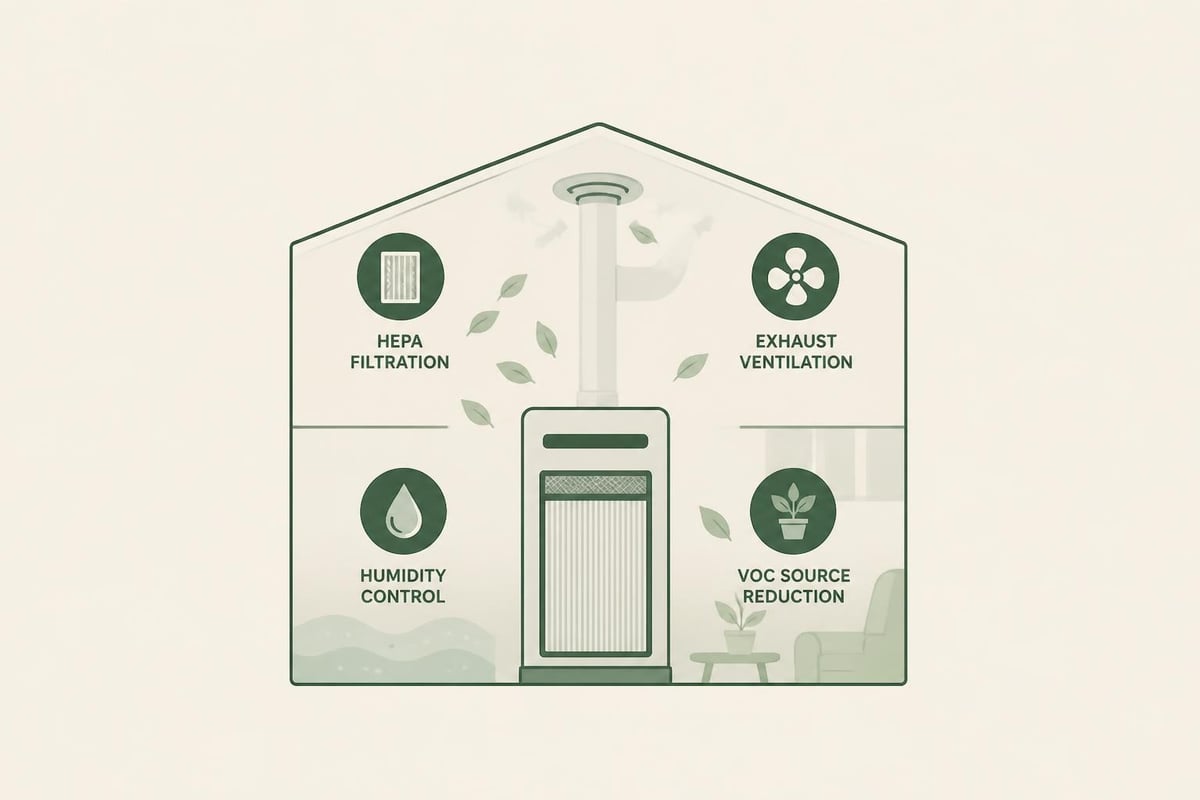
The EPA's air cleaner guidance explains HEPA filtration and CADR ratings (Clean Air Delivery Rate). A higher CADR means the unit filters more air per hour.
For a bedroom or sauna changing area, a portable HEPA filter with a CADR of 150 to 250 is adequate. Replace filters every 6 to 12 months depending on use.
Common Air Quality Issues
| Issue | Source | Solution |
|---|---|---|
| High particulate matter | Cooking, dust, outdoor pollution | HEPA filter, range hood ventilation |
| Excess humidity | Showers, cooking, poor ventilation | Exhaust fans, dehumidifier |
| VOCs (volatile organic compounds) | Paints, cleaners, synthetic materials | Source control, activated carbon filter |
If you add a sauna to your basement, make sure the space has adequate ventilation. Moisture from steam can lead to mold if the air does not circulate. An exhaust fan or open window during sessions is enough.
Sleep Environment and Recovery
Sleep quality depends on temperature, light, and sound. Harvard Health's sleep resources emphasize consistency in sleep and wake times. Your body adapts to routine.
A cooler bedroom supports deeper sleep. Most people sleep best between 60 and 67 degrees. If you use a sauna in the evening, the post-session temperature drop can help initiate sleep. Your core temperature falls after you leave the heat, signaling the body to rest.
Blackout curtains or an eye mask reduce light exposure. Even small amounts of light can disrupt melatonin production. If you need a nightlight, choose red or amber wavelengths.
White noise machines or earplugs block disruptive sounds. Some people prefer a fan for both cooling and sound masking.
Evening Sauna and Sleep
An evening sauna session, 1 to 2 hours before bed, associates with improved sleep onset in some studies. The mechanism is likely related to core temperature regulation. Your body temperature rises in the sauna, then drops afterward. This cooling mimics the natural temperature decline that occurs before sleep.
Timing matters. A sauna session immediately before bed may leave you too alert. The 1 to 2 hour window allows time for your heart rate and temperature to normalize.
Cold plunges in the evening have a different effect. Some people find cold exposure energizing, making it harder to fall asleep. Others report no issue. Test your response and adjust timing.
Maintenance and Upkeep
Home wellness spaces require upkeep. Wood saunas need periodic cleaning and oiling. Cold plunges need water changes and surface scrubbing. Infrared saunas need panel inspections and bulb replacements.
Weekly tasks:
- Wipe sauna benches with a damp cloth
- Rinse cold plunge interior and refill with fresh water
- Check sauna heater stones for cracks or shifting
Monthly tasks:
- Deep clean sauna floor and walls with mild soap
- Inspect door seals and hinges
- Clean air filters in your HVAC system or portable units
Annual tasks:
- Oil exterior cedar on outdoor saunas
- Replace infrared bulbs or panels if output declines
- Inspect electrical connections on sauna heaters
If you skip maintenance, the space degrades. Wood dries out and cracks. Water turns cloudy. Equipment fails earlier than expected. Routine care is part of the wellness practice.
For those new to traditional saunas, understanding how indoor saunas differ from outdoor models helps set realistic expectations for setup and upkeep.
Frequently Asked Questions
How often should I use a sauna for home wellness?
Three to five sessions per week is common. Some people use their sauna daily, others twice a week. Consistency matters more than frequency. Start with what fits your schedule and adjust based on how you feel.
Can I add a sauna to a small home?
Yes. Two-person infrared saunas fit in a 4x4 foot space. They plug into standard outlets and do not require special electrical work. Basements, spare bedrooms, and large closets all work.
Do I need a cold plunge if I have a sauna?
No, but the combination offers a more complete recovery routine. Cold exposure after heat triggers a stronger physiological response than heat alone. A cold shower works if a plunge tub is not an option.
What temperature should I set my sauna?
Traditional saunas run between 150 and 195 degrees Fahrenheit. Infrared saunas operate at 120 to 140 degrees. Start at the lower end and increase as your tolerance builds.
How do I know if my home air quality is affecting my health?
Persistent dry throat, morning headaches, or difficulty sleeping can associate with poor air quality. An inexpensive CO2 monitor or air quality sensor can provide objective data. If levels are high, improve ventilation and filtration before adding other interventions.
Home wellness is not about adding equipment or following a program. It is about creating conditions where your body can recover daily. A sauna, a cold plunge, clean air, and consistent routines. If you are ready to bring this into your home, RecoSauna offers outdoor and indoor saunas, cold plunges, and direct access to Finnish sauna knowledge. I answer every question personally, and we ship free across the USA and Canada. Ask Petri About Your Sauna.
Share:
Outdoor Spa: Guide to Backyard Hot Tubs & Recovery
Wood Fired Sauna: Guide to Traditional Heat in 2026