
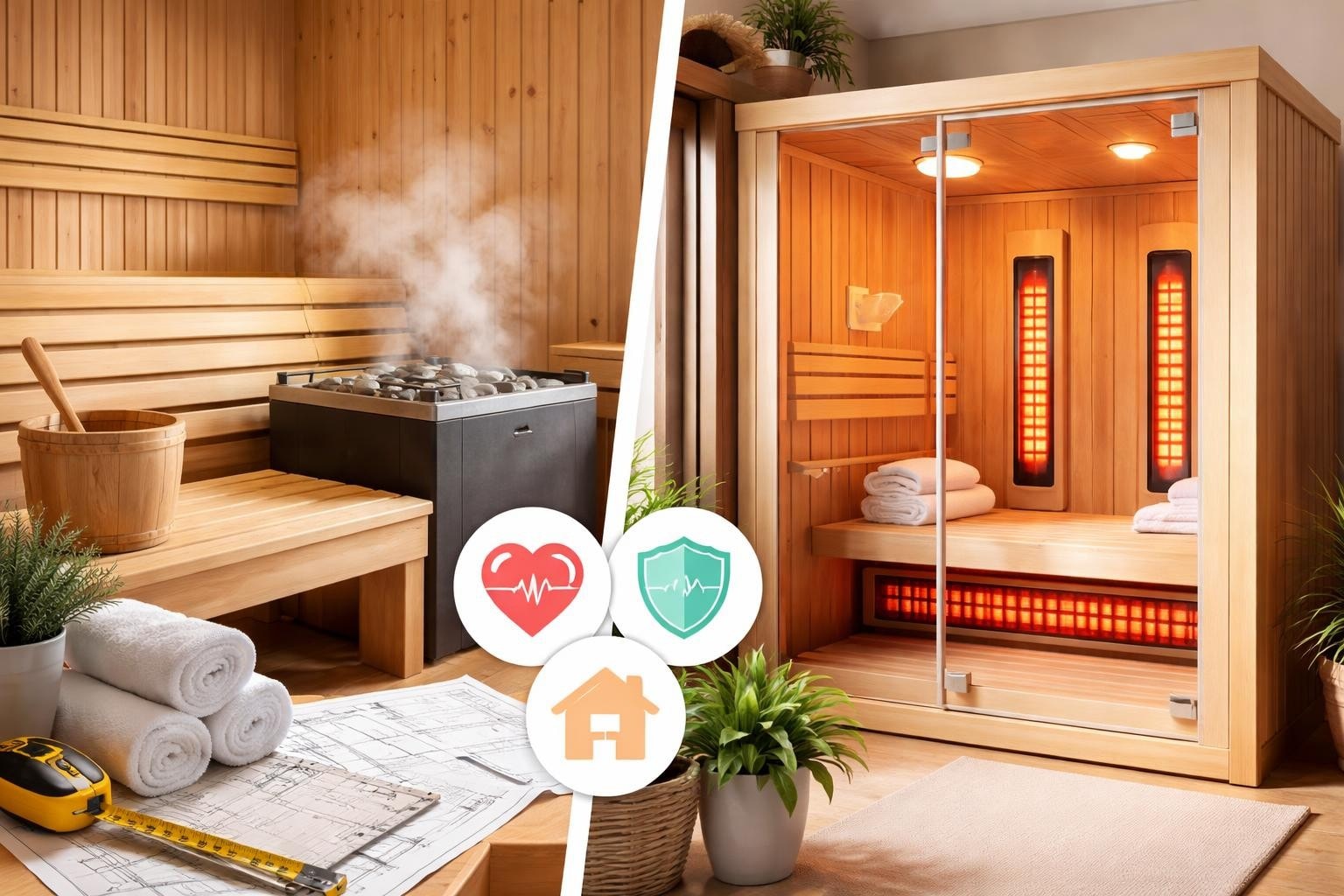
Bringing the wellness benefits of a sauna into your home has never been more accessible or practical. Home saunas indoor have evolved dramatically over the past few years, offering sophisticated heating technology, space-efficient designs, and professional-grade construction that rivals commercial installations. Whether you're considering a traditional Finnish sauna or a modern infrared unit, understanding the key differences, installation requirements, and health benefits will help you make an informed investment in your daily wellness routine.
Understanding Indoor Sauna Types and Technologies
The first decision when selecting home saunas indoor involves choosing between traditional and infrared heating systems. Each technology offers distinct advantages based on your wellness goals, available space, and personal preferences.
Traditional saunas generate heat through electric or wood-burning stoves that warm the air to temperatures between 150°F and 195°F. These units create the classic sauna experience with low humidity and intense dry heat that encourages deep sweating and muscle relaxation. The high temperatures require robust ventilation systems and dedicated electrical circuits, making them a more substantial installation project.
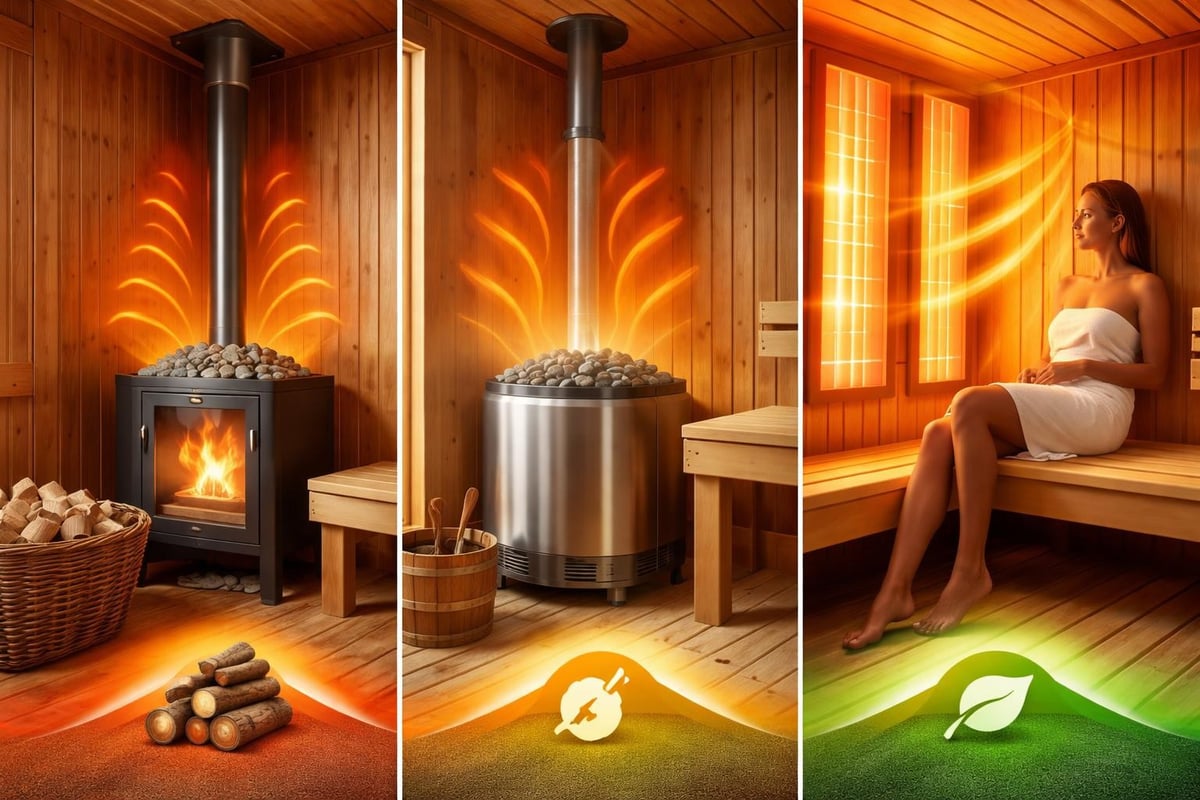
Infrared saunas operate at lower temperatures (120°F to 140°F) while penetrating deeper into muscle tissue through radiant heat waves. According to medical insights on indoor saunas, infrared technology offers targeted therapeutic benefits including improved circulation, enhanced muscle recovery, and cellular-level detoxification.
Space Planning and Dimensional Requirements
Planning your indoor sauna installation begins with accurate space assessment. Most home saunas indoor require surprisingly modest footprints, making them viable for master bathrooms, spare bedrooms, basement corners, or dedicated home gym areas.
Minimum Space Requirements by Capacity:
| Sauna Size | Interior Dimensions | Recommended Room Size | Typical Capacity |
|---|---|---|---|
| Compact | 3' x 3' x 6'H | 5' x 5' minimum | 1-2 persons |
| Standard | 4' x 4' x 6.5'H | 6' x 6' minimum | 2-3 persons |
| Family | 5' x 6' x 7'H | 7' x 8' minimum | 3-4 persons |
| Luxury | 6' x 8' x 7'H | 8' x 10' minimum | 4-6 persons |
Beyond the sauna footprint itself, you'll need clearance space for door swing, ventilation access, and comfortable entry and exit. Most manufacturers recommend maintaining at least 12 inches of clearance on all sides for proper air circulation and maintenance access.
Ceiling height presents another critical consideration. Standard home saunas indoor require minimum ceiling heights of 6.5 to 7 feet, though taller users benefit from 7.5-foot clearances for optimal comfort.
Installation Requirements and Technical Considerations
Successfully installing home saunas indoor demands careful attention to electrical, ventilation, and structural requirements. These technical elements ensure safe operation, efficient performance, and long-term durability.
Electrical and Power Infrastructure
Most infrared saunas operate on standard 120-volt household circuits, drawing between 1,500 and 1,800 watts. This plug-and-play convenience allows straightforward installation without electrical upgrades. Traditional electric saunas typically require dedicated 240-volt circuits with 30 to 60-amp capacity, necessitating professional electrical work and permits.
Before purchasing, verify your home's electrical capacity and consult a licensed electrician about circuit availability. Expert reviews on home saunas emphasize that proper electrical planning prevents costly retrofits and ensures code compliance.
- Dedicated circuit installation costs: $500-$1,200
- Panel upgrade requirements for older homes
- GFCI protection for bathroom installations
- Timer and remote control integration options
Ventilation and Air Quality Management
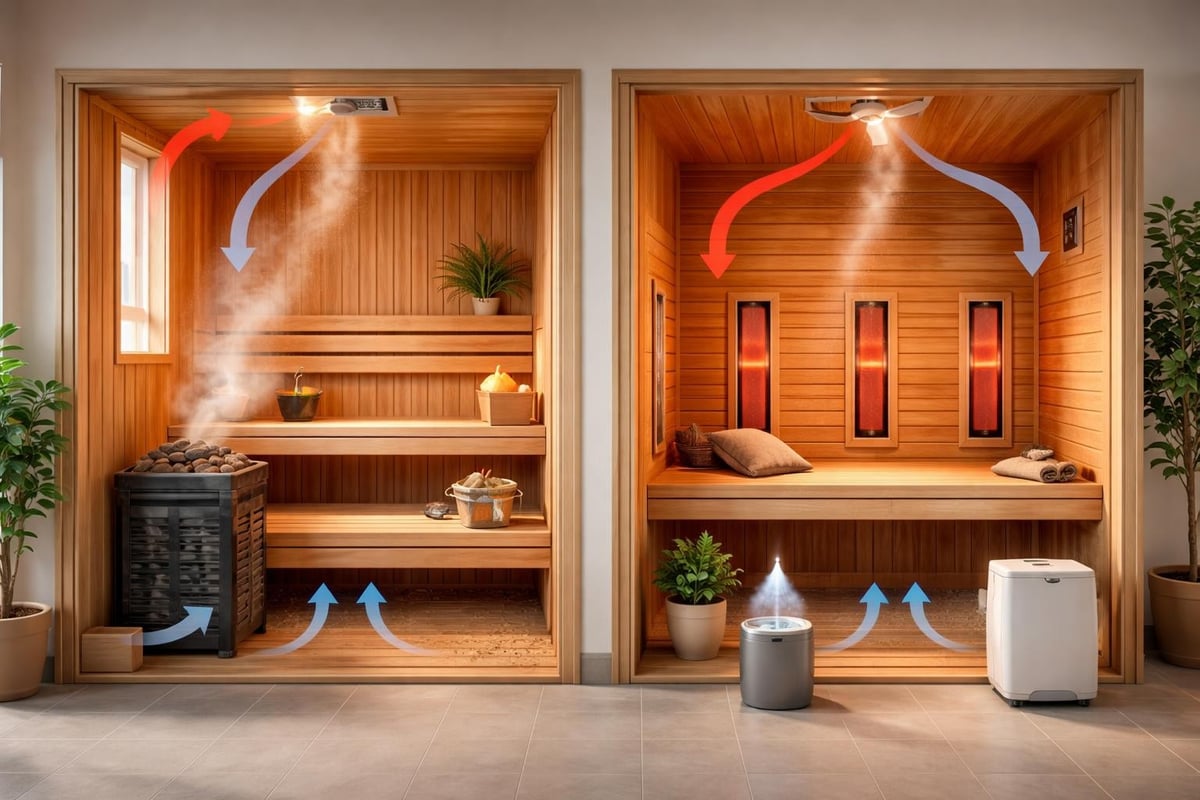
Proper ventilation maintains air quality, prevents moisture damage, and ensures comfortable sauna sessions. Home saunas indoor require fresh air intake near the floor level and exhaust ventilation near the ceiling to create natural convection currents.
Traditional saunas generate more moisture and require robust ventilation systems with 6-8 air exchanges per hour. Many homeowners install dedicated exhaust fans with humidity sensors that activate automatically during and after sessions. Infrared models produce minimal humidity but still benefit from adequate air circulation to prevent stale air accumulation.
Material Selection and Construction Quality
The construction materials of home saunas indoor directly impact durability, maintenance requirements, and the overall wellness experience. Premium wood species offer natural aromatherapy benefits while resisting warping and moisture damage.
Wood Species and Their Characteristics
Canadian Red Cedar stands as the gold standard for sauna construction, prized for its natural resistance to moisture, insects, and bacterial growth. The wood releases pleasant aromatic compounds when heated, enhancing the sensory experience while providing natural antimicrobial properties.
Canadian Hemlock offers a lighter color palette with minimal resin content, making it ideal for those sensitive to strong wood aromas. Its straight grain and stable structure resist splitting and warping under temperature fluctuations.
Eastern White Cedar combines excellent insulating properties with natural durability and a beautiful light finish that brightens interior spaces. This species maintains structural integrity through thousands of heating cycles while requiring minimal maintenance.
Quality manufacturers source timber from sustainably managed forests and use kiln-dried lumber to ensure dimensional stability. Comprehensive sauna buying guides recommend inspecting wood grain patterns, knot placement, and finish quality before making final purchasing decisions.
Health Benefits and Wellness Applications
The therapeutic advantages of home saunas indoor extend far beyond simple relaxation, offering measurable improvements in cardiovascular function, immune response, and mental health.
Regular sauna use promotes cardiovascular conditioning through increased heart rate and improved blood flow. Research indicates that 20-30 minute sessions three to four times weekly can enhance endurance, reduce blood pressure, and improve arterial function similar to moderate exercise.
Detoxification and Metabolic Support
Intense sweating eliminates metabolic waste products, environmental toxins, and heavy metals through the skin. While the body's primary detoxification occurs through the liver and kidneys, sauna-induced perspiration provides a supplementary elimination pathway that may reduce overall toxic burden.
Thermal therapy also supports weight management by elevating metabolic rate during and after sessions. A 30-minute traditional sauna session can burn 300-500 calories as the body works to maintain core temperature through increased heart rate and circulation.
Additional Wellness Benefits:
- Reduced muscle soreness and faster exercise recovery
- Improved sleep quality and duration
- Enhanced immune system function
- Stress reduction and improved mood
- Skin health and complexion improvement
- Joint pain relief and arthritis symptom management
For those seeking a complete recovery solution, infrared heat penetrates deeper into tissue layers, making models like the Maxxus 2 Person Full Spectrum IR Sauna particularly effective for targeted therapeutic applications. This Canadian Red Cedar sauna combines Near, Mid, and Far Infrared wavelengths to address circulation, relaxation, and skin wellness simultaneously.
Design Integration and Aesthetic Considerations
Modern home saunas indoor have transcended purely functional designs to become architectural features that enhance interior aesthetics. Contemporary models incorporate glass panels, LED lighting, and premium finishes that complement diverse design styles from traditional to ultra-modern.
Tempered glass doors and windows create visual openness while allowing natural light penetration. This transparency reduces claustrophobic feelings and enables users to maintain visual connection with surrounding spaces. Tinted glass options balance privacy with openness for installations in shared areas.
Interior lighting has evolved beyond basic bulbs to include chromotherapy systems that cycle through therapeutic color wavelengths. These LED installations consume minimal energy while providing customizable ambiance and potential mood-enhancing benefits through color psychology principles.
Technology Integration and Smart Features
Contemporary home saunas indoor incorporate sophisticated control systems that rival high-end home automation. Digital interfaces allow precise temperature regulation, session timing, and program customization through touchscreen panels or smartphone applications.
Common Smart Features:
- Bluetooth audio connectivity for music streaming
- Chromotherapy lighting programs
- Remote preheating via mobile apps
- Session history tracking and analytics
- Integration with home automation systems
- Voice control compatibility
These technological enhancements transform the sauna experience from simple heat therapy to a fully customized wellness ritual that adapts to individual preferences and schedules.
Cost Analysis and Long-Term Value
Understanding the total investment in home saunas indoor requires examining purchase price, installation expenses, operating costs, and maintenance requirements over the unit's lifespan.
| Cost Category | Infrared Models | Traditional Electric | Wood-Burning |
|---|---|---|---|
| Unit Price | $1,200-$6,000 | $2,500-$12,000 | $3,000-$15,000 |
| Installation | $200-$800 | $800-$2,500 | $2,000-$5,000 |
| Monthly Operating | $10-$25 | $20-$50 | $30-$80 |
| Annual Maintenance | $50-$150 | $100-$300 | $200-$500 |
Infrared models offer the lowest barrier to entry with simple plug-and-play installation and minimal electrical requirements. Traditional electric saunas demand higher upfront investment but provide the authentic Finnish experience preferred by sauna purists. According to detailed brand comparisons, evaluating warranty coverage and safety certifications proves essential for protecting long-term value.
Return on Investment Considerations
Beyond monthly utility costs, home saunas indoor may reduce healthcare expenses through improved wellness and reduced need for therapeutic treatments. Regular users report decreased massage therapy sessions, reduced pain medication consumption, and fewer stress-related medical visits.
Property value impact varies by market, but luxury wellness amenities increasingly appeal to health-conscious buyers. High-quality installations using premium materials and professional construction typically recoup 50-70% of their cost in resale value, particularly in upscale markets where wellness features drive purchasing decisions.
Maintenance and Longevity Strategies
Proper care extends the functional life of home saunas indoor while maintaining hygiene standards and performance efficiency. Establishing consistent maintenance routines prevents costly repairs and ensures safe, pleasant sauna sessions.
Daily maintenance requires minimal effort: wipe down benches with a damp cloth after each use, leave the door open for 15-20 minutes to allow interior drying, and remove any debris or towels. This simple routine prevents moisture accumulation and bacterial growth.
Weekly tasks include vacuuming floor areas, checking drain functionality (if installed), and inspecting heating elements for dust accumulation. Most manufacturers recommend gentle cleaning with pH-neutral solutions rather than harsh chemicals that damage wood finishes or leave residual odors.
Quarterly Maintenance Checklist:
- Inspect all electrical connections and wiring
- Test heating elements at various temperature settings
- Check door seals and weather stripping
- Sand and refinish high-wear bench areas if needed
- Verify ventilation system operation
- Clean or replace air filters
- Inspect structural fasteners and hardware
Annual professional inspections identify developing issues before they escalate into major problems. Certified technicians evaluate electrical systems, heating element performance, structural integrity, and safety compliance.
Common Mistakes and How to Avoid Them
First-time buyers of home saunas indoor frequently encounter preventable issues stemming from inadequate research, improper installation, or unrealistic expectations. Understanding these pitfalls helps ensure satisfaction with your investment.
Common myths about home saunas include concerns about excessive energy consumption, complicated maintenance, and negative impacts on home value. Modern saunas consume less electricity than many household appliances when comparing per-use costs, require simple care routines, and typically enhance property appeal.
Sizing and Capacity Errors
Underestimating space requirements ranks among the most frequent purchasing mistakes. While compact models appeal to space-constrained homeowners, extremely tight quarters create uncomfortable sessions and limit the number of users. Conversely, oversized units in small rooms waste energy and struggle to maintain optimal temperatures efficiently.
Match capacity ratings to realistic usage patterns. A couple seeking daily wellness sessions requires different specifications than a family planning social sauna gatherings. For detailed guidance on selecting indoor saunas, consider both current needs and potential future requirements.
Inadequate Ventilation Planning
Insufficient air circulation leads to stuffy conditions, excessive humidity, and accelerated wood deterioration. This oversight particularly affects bathroom installations where existing ventilation may inadequately handle sauna moisture loads.
Professional HVAC assessment before installation prevents ventilation shortcomings. Dedicated exhaust systems designed specifically for sauna applications provide reliable performance and prevent moisture migration into adjacent spaces.
Selecting the Right Sauna for Your Needs
Determining the optimal home sauna indoor configuration requires balancing multiple factors including budget constraints, available space, wellness goals, and aesthetic preferences. Systematic evaluation of these elements guides you toward the best solution for your specific situation.
Begin by clarifying your primary wellness objectives. Those seeking muscle recovery and athletic performance benefits may prioritize infrared technology's deeper tissue penetration. Individuals drawn to traditional relaxation rituals and social sauna experiences often prefer conventional heating systems that create the authentic Finnish atmosphere.
Space constraints naturally narrow your options. Measure your intended installation area carefully, accounting for door clearances, ventilation requirements, and comfortable access pathways. Small bathrooms or closet conversions suit compact one or two-person infrared units, while basement spaces or dedicated wellness rooms accommodate larger traditional installations.
Budget planning should encompass total project costs rather than unit price alone. Factor in electrical work, ventilation modifications, permit fees, and accessories like backrests, bucket and ladle sets, and thermometers. Expert sauna reviews provide valuable insights into long-term ownership costs and performance expectations across different price ranges.
Quality indicators include timber grade and origin, heating element warranties, electronic control sophistication, and manufacturer reputation. Premium brands offer comprehensive support, replacement part availability, and construction warranties extending 5-10 years. These factors significantly impact satisfaction and total cost of ownership.
For those exploring options, browsing collections from established retailers like RecoSauna provides exposure to diverse models, construction methods, and price points while offering expert guidance tailored to individual requirements.
Installation Timeline and Project Management
Planning a realistic timeline for home sauna indoor installation prevents frustration and ensures quality results. Projects range from simple afternoon assembly for plug-and-play infrared models to multi-week construction for custom traditional installations.
Typical Installation Timeline:
- Planning and Permitting (1-3 weeks): Research options, obtain necessary permits, schedule inspections
- Electrical Preparation (3-7 days): Circuit installation, panel upgrades, wiring runs
- Ventilation Installation (2-5 days): Ductwork, exhaust fan mounting, intake configuration
- Sauna Assembly (1-3 days): Unit construction, bench installation, door mounting
- Electrical Connection (1 day): Heater wiring, control panel installation, testing
- Final Inspection (1 day): Code compliance verification, safety checks
- Seasoning and Testing (2-3 days): Initial heating cycles, temperature calibration
Pre-fabricated kits dramatically reduce installation complexity. These engineered systems arrive with precisely cut panels, pre-wired components, and detailed assembly instructions that enable competent DIY completion. Professional installation remains advisable for traditional units requiring extensive electrical and ventilation work.
Permit requirements vary significantly by jurisdiction. Some municipalities classify home saunas indoor as minor appliances requiring no permits, while others mandate electrical inspections, building permits, and ventilation approvals. Consult local building departments early in the planning process to understand applicable regulations.
Optimizing Your Sauna Experience
Maximizing the benefits of home saunas indoor extends beyond simply turning on the heat. Proper usage protocols, session structuring, and wellness integration strategies enhance both enjoyment and therapeutic outcomes.
Pre-session hydration proves critical for safe, effective sauna use. Consume 16-24 ounces of water 30 minutes before entering to ensure adequate fluid reserves for perspiration. Avoid alcohol consumption before or during sessions, as it impairs thermoregulation and increases dehydration risk.
Session duration and temperature depend on individual tolerance and experience level. Beginners should start with 10-15 minute sessions at moderate temperatures (130-150°F), gradually increasing as adaptation occurs. Experienced users may enjoy 20-30 minute sessions at higher temperatures, though listening to your body remains paramount.
Optimal Session Structure:
- 5-minute warm-up at lower temperature
- 10-20 minutes at target temperature
- Cool-down period with cold shower or outdoor air exposure
- 15-30 minutes rest and rehydration
- Optional second session after full recovery
Post-session care accelerates recovery and enhances benefits. Cool-down gradually through tepid showers rather than immediate cold immersion, which can shock the cardiovascular system. Replenish electrolytes through mineral-rich beverages or whole foods rather than sugary sports drinks.
Consistency delivers superior results compared to sporadic use. Establishing a regular sauna schedule-whether daily, three times weekly, or weekly-allows the body to adapt and derive maximum wellness benefits from thermal therapy.
Home saunas indoor represent a substantial investment in daily wellness that pays dividends through improved health, stress reduction, and enhanced quality of life. By carefully evaluating heating technologies, space requirements, installation demands, and long-term costs, you can select the perfect sauna configuration for your needs and budget. Whether you choose traditional dry heat or modern infrared technology, RecoSauna offers premium options from leading North American manufacturers, combining quality craftsmanship with exceptional customer support to help you create your ideal home wellness retreat. Explore the complete RecoSauna collection today to begin your journey toward better health and relaxation.
Share:
Sauna Cold Plunge: Benefits, Protocols & Safety Tips
Traditional Sauna: History, Benefits & Modern Use