
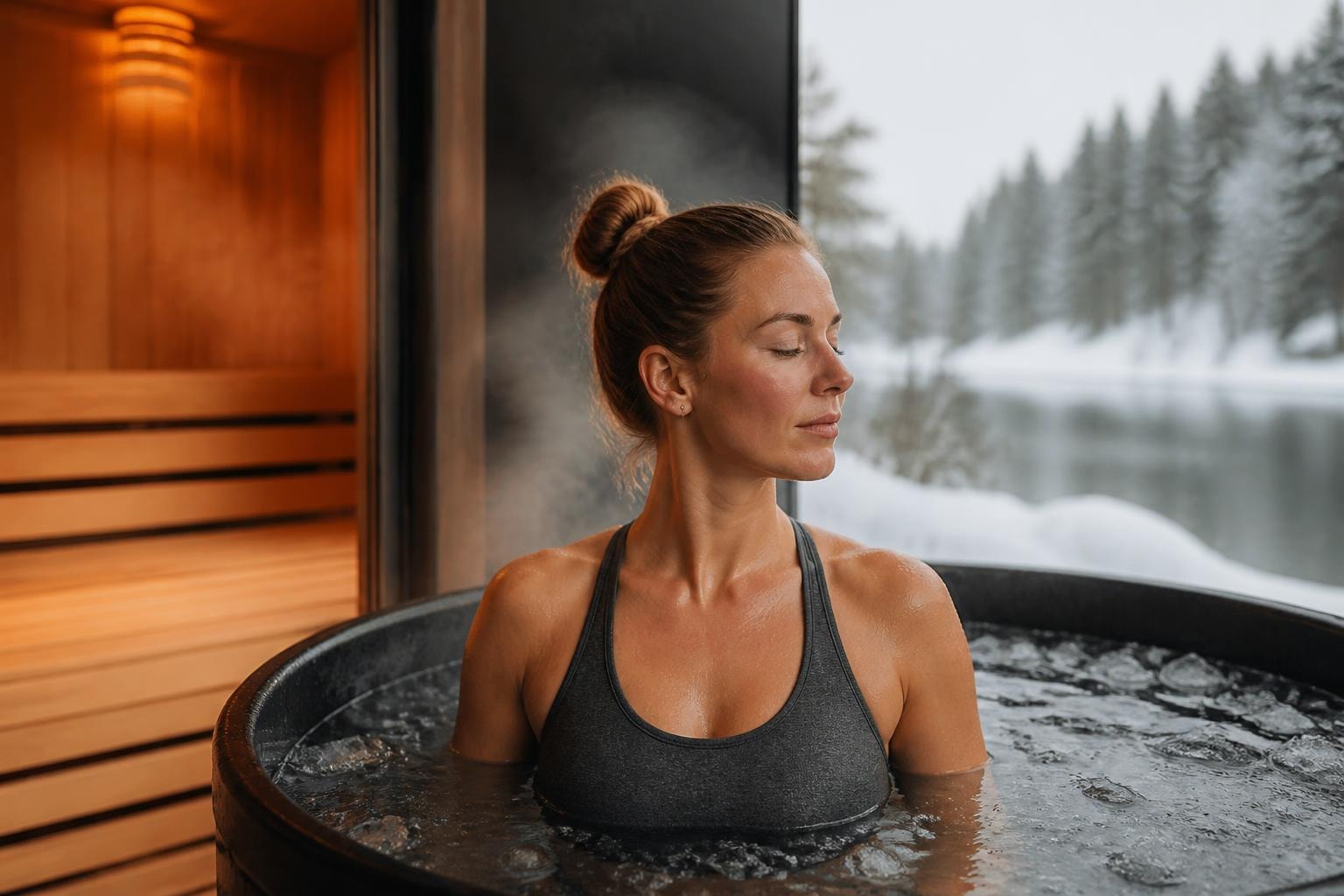
The combination of heat and cold therapy has become a cornerstone of modern wellness routines, with the cold plunge sauna protocol emerging as one of the most effective recovery and health optimization strategies available. This ancient practice, rooted in Scandinavian traditions, leverages the body's natural response to temperature extremes to promote circulation, reduce inflammation, and enhance mental clarity. As more people seek evidence-based approaches to wellness, understanding how to safely and effectively implement a cold plunge sauna routine has never been more relevant.
Understanding the Cold Plunge Sauna Protocol
The cold plunge sauna method involves alternating between extreme heat exposure in a sauna and immediate immersion in cold water. This practice creates a powerful physiological response that affects multiple body systems simultaneously. The typical protocol begins with a sauna session lasting between 15-20 minutes at temperatures ranging from 150-195°F, followed by a cold plunge lasting 1-3 minutes at temperatures between 39-59°F.
The Science Behind Temperature Contrast
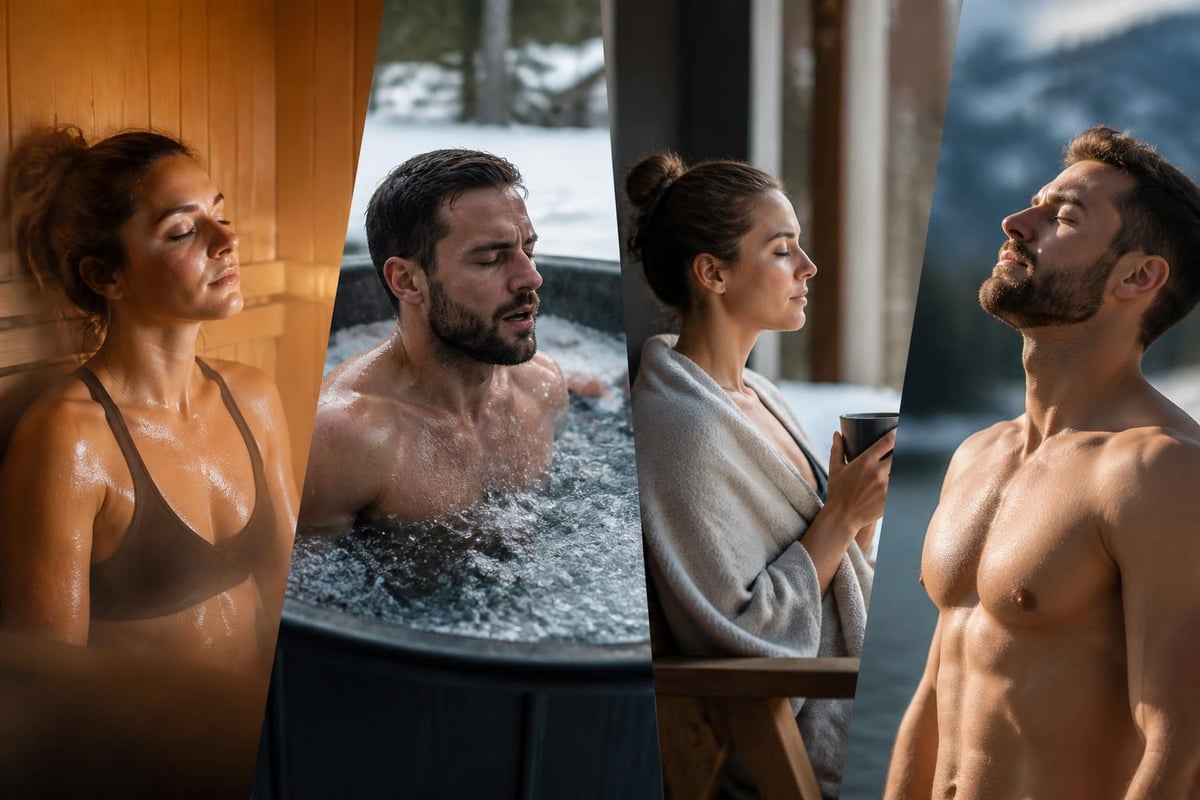
When you transition from sauna heat to cold water, your body undergoes rapid vasoconstriction and vasodilation. The sauna causes blood vessels to expand, increasing circulation to the skin and extremities. The subsequent cold plunge triggers immediate vasoconstriction, forcing blood back to the core and vital organs. According to research on cold plunge benefits, this process can enhance cardiovascular function and metabolic efficiency.
The contrast therapy stimulates the sympathetic nervous system during the cold exposure and activates the parasympathetic system during the recovery phase. This alternating activation helps regulate stress responses and may improve overall autonomic nervous system function.
Key Benefits of Cold Plunge Sauna Therapy
Implementing a regular cold plunge sauna routine offers numerous physiological and psychological advantages. Research continues to validate what traditional practitioners have known for centuries about this powerful wellness combination.
Physical Recovery and Performance Enhancement
Muscle Recovery Benefits:
- Reduced delayed onset muscle soreness (DOMS)
- Faster clearance of metabolic waste products
- Enhanced blood flow to damaged tissue
- Decreased inflammation markers
Circulation and Cardiovascular Health:
- Improved vascular function and elasticity
- Enhanced peripheral circulation
- Strengthened cardiovascular resilience
- Better blood pressure regulation
Athletes and fitness enthusiasts particularly value the cold plunge sauna protocol for its ability to accelerate recovery between training sessions. The temperature contrast helps flush lactic acid and other metabolic byproducts while delivering fresh oxygen and nutrients to fatigued muscles.
Mental Health and Cognitive Function
The psychological benefits of cold plunge sauna therapy extend beyond the immediate euphoria following a session. Studies on cold-water immersion suggest improvements in mood, focus, and stress resilience. The practice triggers the release of endorphins and norepinephrine, creating natural mood elevation that can last for hours.
Regular practitioners report enhanced mental clarity, improved stress management, and greater emotional regulation. The deliberate exposure to controlled stress through cold immersion may build psychological resilience that transfers to other life challenges.
Implementing Your Cold Plunge Sauna Routine
Creating an effective and safe cold plunge sauna practice requires understanding proper protocols, timing, and progression strategies. Beginners should approach this therapy gradually, allowing their bodies to adapt to the temperature extremes.
Beginner Protocol
For those new to contrast therapy, a structured beginner's routine provides the foundation for safe practice:
- Pre-session hydration: Drink 16-24 oz of water 30 minutes before beginning
- Initial sauna exposure: Start with 10-12 minutes at moderate temperature (140-160°F)
- Cool-down transition: Take 1-2 minutes to breathe and prepare mentally
- First cold plunge: Begin with 30-60 seconds at 50-60°F
- Rest period: Allow 5-10 minutes for body temperature to normalize
- Optional second round: Repeat the cycle if comfortable
| Session Component | Beginner Duration | Intermediate Duration | Advanced Duration |
|---|---|---|---|
| Sauna Heat | 10-12 minutes | 15-18 minutes | 18-25 minutes |
| Cold Plunge | 30-60 seconds | 1-2 minutes | 2-4 minutes |
| Rest Period | 10 minutes | 5-8 minutes | 5 minutes |
| Total Rounds | 1-2 | 2-3 | 3-4 |
Advanced Considerations
Experienced practitioners often modify their cold plunge sauna protocols based on specific goals. Recovery-focused sessions might emphasize longer cold exposures with moderate sauna temperatures, while those seeking cardiovascular benefits might use higher heat with shorter, more intense cold plunges.
The timing between sessions matters significantly. Most experts recommend allowing at least 48 hours between intensive cold plunge sauna sessions to permit full recovery and adaptation. However, lighter protocols can be practiced daily for maintenance and wellness support.
Safety Precautions and Contraindications
While cold plunge sauna therapy offers substantial benefits, certain individuals should exercise caution or avoid this practice entirely. Understanding the risks ensures safe implementation and prevents adverse events.
Who Should Avoid Cold Plunge Sauna
Medical conditions requiring physician approval:
- Cardiovascular disease or recent cardiac events
- Uncontrolled hypertension
- Pregnancy or recent childbirth
- Raynaud's disease or severe circulation disorders
- Open wounds or active skin infections
- Severe respiratory conditions
The cardiovascular stress of cold immersion can be significant, particularly for those with existing heart conditions. The sudden temperature change causes a spike in heart rate and blood pressure that may pose risks for vulnerable individuals.
Critical Safety Guidelines
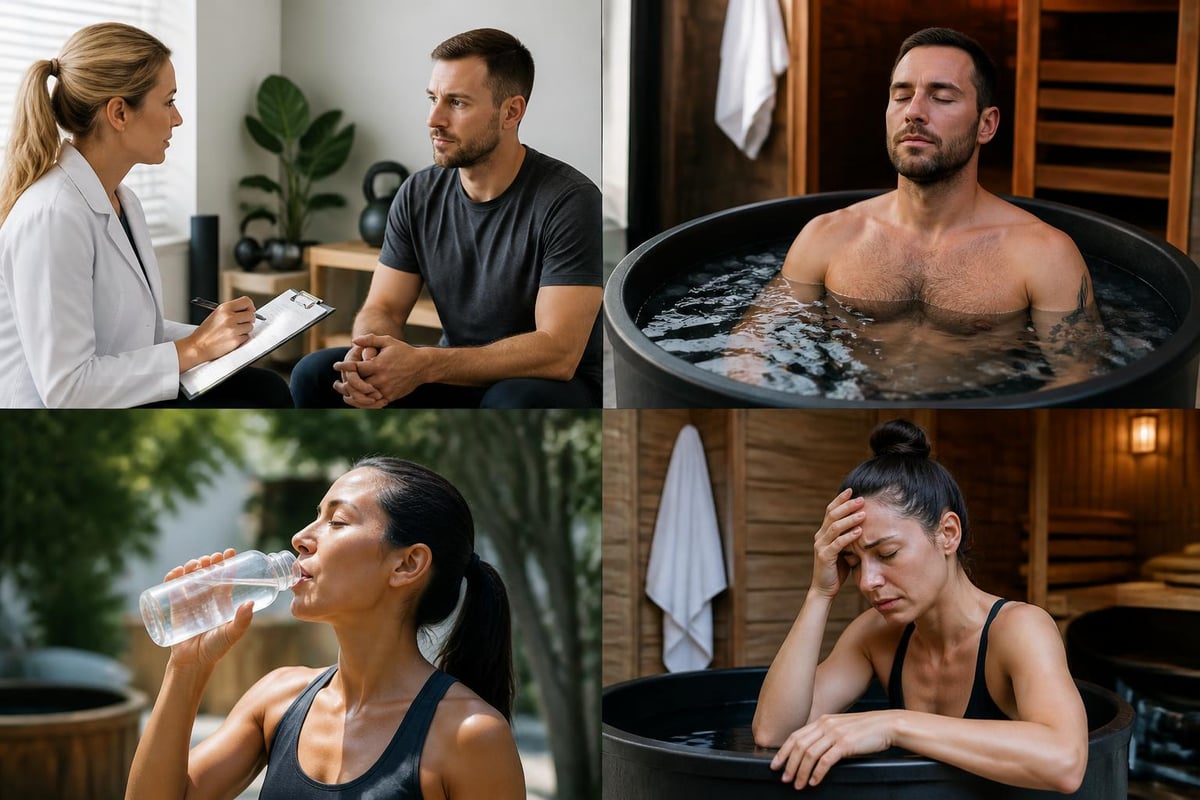
Hydration management is paramount for safe cold plunge sauna practice. The heat exposure causes significant fluid loss through perspiration, while the cold immersion affects kidney function and fluid balance. Drinking water before, during rest periods, and after sessions prevents dehydration-related complications.
Never practice cold plunge sauna therapy alone, especially when beginning. Having a partner ensures assistance if you experience dizziness, confusion, or other warning signs. Always exit the cold water before numbness sets in or if you experience chest pain, severe headache, or difficulty breathing.
Temperature monitoring matters for both the sauna and cold plunge. Extremely cold water (below 50°F) dramatically increases cardiovascular stress and should only be attempted by experienced practitioners under appropriate supervision.
Equipment and Setup Considerations
Creating an effective cold plunge sauna setup requires thoughtful planning whether you're building a home installation or using commercial facilities. Quality equipment ensures safety, comfort, and long-term durability.
Sauna Selection for Contrast Therapy
Different sauna types offer distinct advantages for cold plunge protocols. Traditional Finnish saunas provide the authentic dry heat experience with temperatures ranging from 150-195°F. The lower humidity allows for comfortable extended sessions that maximize the heat adaptation response.
Infrared saunas present an alternative approach, using radiant heat to warm the body directly rather than heating the air. While typically operating at lower temperatures (120-140°F), infrared saunas still provide effective preparation for cold immersion. Browse the selection at RecoSauna to explore both traditional and infrared options suited for contrast therapy.
Barrel saunas have gained popularity for home installations, offering efficient heat retention and space-saving designs perfect for outdoor setups. The curved walls promote natural air circulation and create an immersive experience ideal for pre-plunge heat exposure.
Cold Plunge Options
The cold plunge component can range from simple to sophisticated depending on budget and commitment level. Entry-level practitioners often begin with cold showers or ice baths in standard bathtubs. While effective, these options lack temperature control and consistent depth.
Dedicated cold plunge pools offer superior temperature regulation, typically maintaining water between 39-50°F through refrigeration systems. These units provide consistent cold exposure and eliminate the need for ice management. The Dynamic Cold Therapy Barrel 304 Stainless Steel Cold Plunge combines durability with precise temperature control, making it an excellent choice for serious practitioners seeking reliable cold immersion equipment.
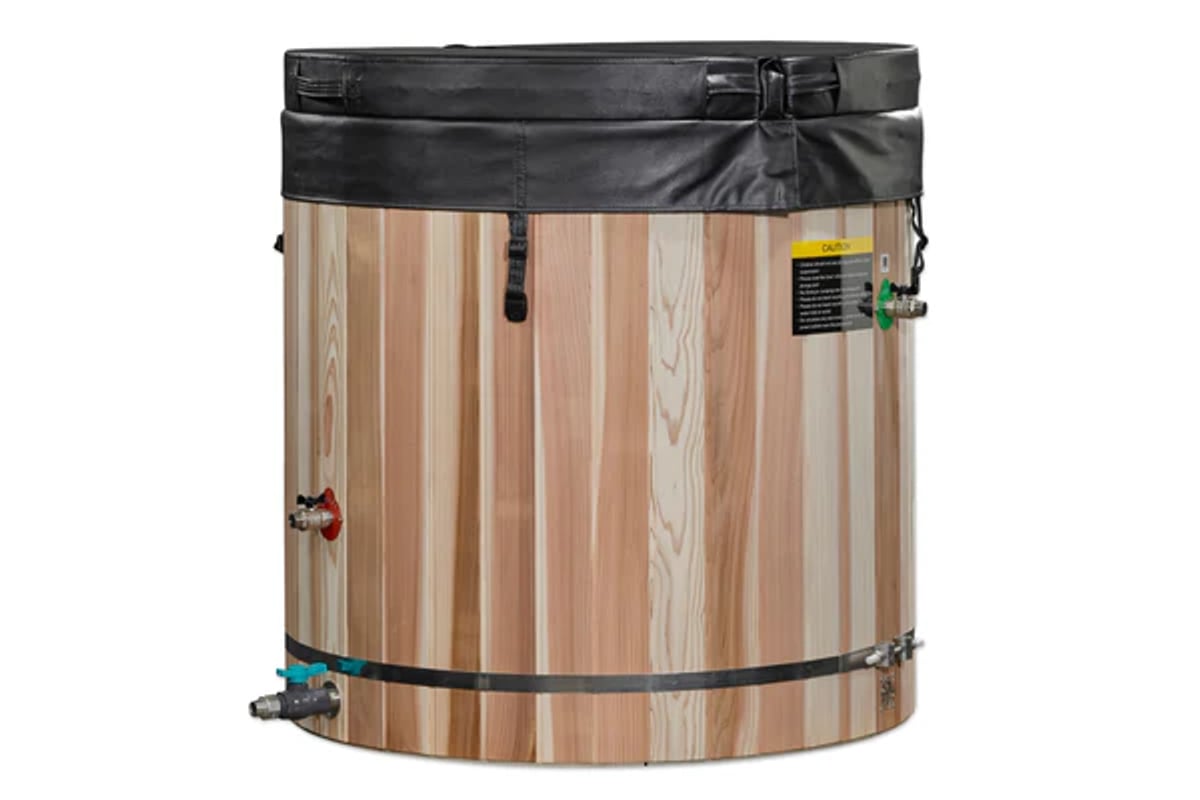
Key features to consider in cold plunge equipment:
- Temperature control precision and range
- Water filtration and sanitation systems
- Insulation quality for energy efficiency
- Size and depth for proper immersion
- Material durability (stainless steel vs. acrylic)
- Ease of maintenance and water changes
Optimizing Your Cold Plunge Sauna Experience
Maximizing the benefits of contrast therapy involves more than simply alternating between hot and cold. Strategic timing, breathing techniques, and recovery protocols enhance the overall effectiveness.
Timing and Frequency
The optimal frequency for cold plunge sauna sessions depends on individual goals and recovery capacity. Athletes in heavy training phases might benefit from 3-4 sessions weekly, while those using the protocol for general wellness typically find 2-3 weekly sessions sufficient.
Session timing considerations:
| Time of Day | Advantages | Best For |
|---|---|---|
| Morning | Energizing, cognitive boost | Mental clarity, focus |
| Afternoon | Pre-workout preparation | Athletic performance |
| Evening | Stress reduction, better sleep | Recovery, relaxation |
| Post-workout | Enhanced muscle recovery | Training adaptation |
Avoid scheduling intense cold plunge sauna sessions immediately before important physical or mental tasks. The temporary energy expenditure and subsequent relaxation response may reduce immediate performance capacity, though long-term benefits include enhanced overall resilience.
Breathing Techniques
Controlled breathing transforms the cold plunge sauna experience from mere tolerance to active therapy. During the sauna phase, slow, deep breathing promotes relaxation and helps the body manage heat stress. The cold immersion requires different strategies.
Wim Hof Method adaptation: Before entering cold water, take 30 deep breaths, then enter the plunge on the final exhale. This controlled breathing technique reduces the initial shock response and allows for calmer immersion.
During cold exposure, resist the urge to hyperventilate. Instead, practice slow, controlled breathing through the nose, extending the exhale slightly longer than the inhale. This activates the parasympathetic nervous system, countering the stress response.
Common Mistakes and How to Avoid Them
Even experienced practitioners can fall into patterns that reduce effectiveness or increase risk. Recognizing these common errors helps optimize your cold plunge sauna practice.
Progressive Overload Errors
The most frequent mistake involves progressing too quickly with either temperature extremes or duration. The body requires time to develop adaptive responses to thermal stress. Rushing this process increases injury risk and reduces the sustainable enjoyment of the practice.
Signs of excessive progression:
- Persistent fatigue lasting beyond session day
- Disrupted sleep patterns
- Increased resting heart rate
- Decreased motivation for sessions
- Prolonged recovery times
If experiencing these symptoms, reduce session intensity, frequency, or duration. The critical examination of cold plunging trends reminds us that individual responses vary significantly, and personalization trumps adherence to rigid protocols.
Hydration and Nutrition Neglect
The cold plunge sauna protocol places significant demands on the body's fluid and electrolyte balance. Sauna sessions can produce sweat losses exceeding two liters per hour, while cold immersion affects kidney function and mineral balance.
Proper hydration strategy includes electrolyte replacement, not just water consumption. Adding minerals like sodium, potassium, and magnesium prevents dilutional hyponatremia and supports optimal cellular function during temperature stress.
Gender-Specific Considerations
Recent research has highlighted important differences in how men and women respond to cold plunge sauna therapy. Studies examining cold plunging effects on women suggest that hormonal fluctuations, body composition differences, and thermoregulatory variations require modified approaches.
Women generally have lower muscle mass and higher body fat percentages than men, affecting heat production and cold tolerance. Additionally, menstrual cycle phases influence core body temperature and thermal comfort. During the luteal phase, when baseline body temperature is elevated, women may tolerate sauna heat differently than during the follicular phase.
Adaptations for Female Practitioners
Menstruating women should monitor their response to cold plunge sauna therapy throughout their cycle. Some find cold exposure more challenging during menstruation, while others report symptom relief from cramping and mood disturbances.
Pregnant women should avoid cold plunge sauna therapy entirely due to the cardiovascular stress and potential impact on fetal development. Postpartum recovery requires gradual reintroduction, typically waiting at least 6-8 weeks after delivery before resuming practice.
Integrating Cold Plunge Sauna Into Broader Wellness
The cold plunge sauna protocol works synergistically with other health practices, creating compound benefits when thoughtfully integrated into a comprehensive wellness routine.
Complementary Practices
Meditation and mindfulness enhance the cold plunge sauna experience by improving stress tolerance and body awareness. Practicing mindful presence during temperature extremes trains the nervous system to remain calm under physiological stress.
Strength training and mobility work benefit from the enhanced recovery that cold plunge sauna therapy provides. Scheduling contrast therapy sessions on rest days or after particularly intense training supports adaptation and reduces injury risk.
The combination with intermittent fasting requires careful consideration. Some practitioners find morning cold plunge sauna sessions in a fasted state enhance mental clarity and fat metabolism. However, this approach may not suit everyone, particularly those sensitive to blood sugar fluctuations.
Long-Term Practice Development
Building a sustainable cold plunge sauna practice requires patience and realistic expectations. The initial novelty and dramatic sensations often give way to more subtle, cumulative benefits over months and years of consistent practice.
Track your progress through measurable markers like resting heart rate, heart rate variability, sleep quality, and subjective wellness scores. These metrics provide objective feedback about adaptation and help identify optimal session parameters for your individual physiology.
Regular reassessment ensures your protocol evolves with changing goals, fitness levels, and life circumstances. What works during a training-intensive phase may differ from maintenance periods or during high-stress work seasons.
The cold plunge sauna combination represents one of the most powerful tools available for enhancing recovery, building resilience, and optimizing overall wellness. By understanding proper protocols, respecting individual limitations, and maintaining consistent practice, you can harness the transformative benefits of contrast therapy. Whether you're building a home setup or exploring commercial options, RecoSauna offers premium sauna solutions perfectly suited for integrating heat therapy into your wellness routine, providing the foundation for an effective cold plunge sauna practice that supports your health goals for years to come.
Share:
Outdoor Sauna and Cold Plunge: Complete Setup Guide
Outdoor Infrared Sauna: Benefits, Installation & Buying Guide