
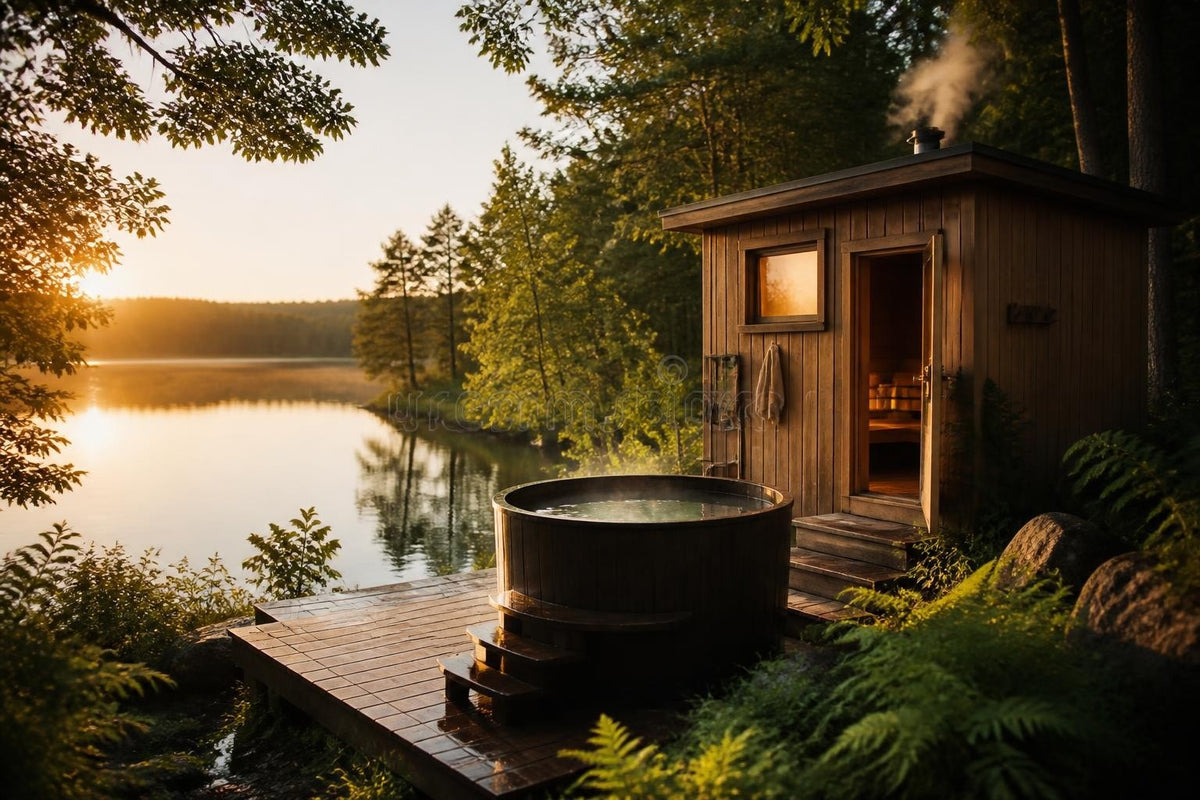
The best cold plunge depends on how you use it. A simple cedar tub works if you add ice before each session. A chiller system maintains temperature without manual work. A fully assembled plunge with built-in chiller needs no installation.
You want a plunge that fits your daily pattern, not your ideal version of yourself. Most people use cold water three to four times per week at the start, then more often once the habit settles in. The choice between manual ice and electric chiller reflects that reality.
What Makes the Best Cold Plunge for Home Use
A cold plunge is a water vessel designed for sustained immersion at temperatures between 39°F and 59°F. The best options share a few characteristics that matter more than brand or appearance.
Key features that define quality:
- Size for full immersion – shoulders and knees submerged, not just feet
- Material durability – cedar, stainless steel, or HDPE that handles daily freeze-thaw cycles
- Temperature stability – either passive insulation or active chilling
- Access and drainage – simple entry and water changes without strain
Manual plunges use ice or cold hose water. You drain and refill between uses. Electric chillers circulate water through a cooling unit to maintain consistent temperature. These systems filter continuously and require less frequent water changes.
Research shows cold exposure affects circulation and nervous system regulation, though individual responses vary. The best cold plunge supports daily use, not just weekend experiments.
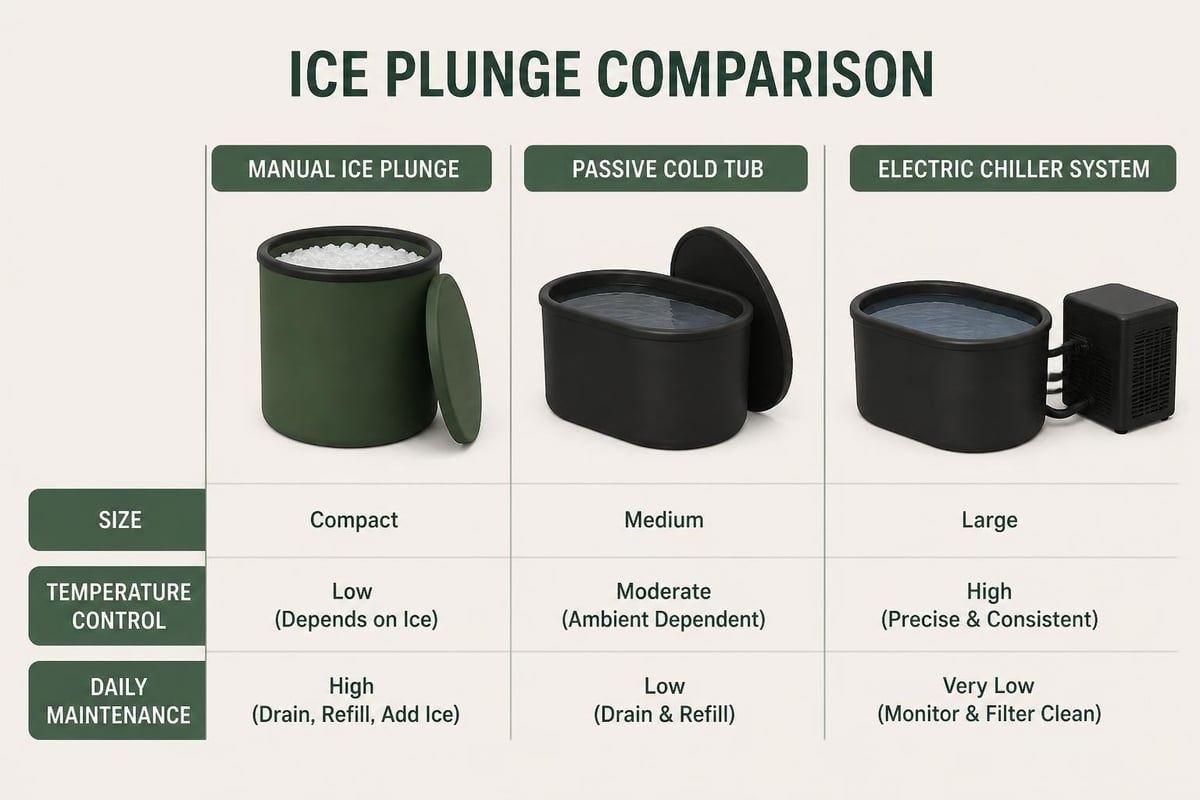
Manual vs. Electric: Cold Plunge Options Compared
| Type | Temperature Control | Daily Effort | Best For |
|---|---|---|---|
| Ice Tub | Manual ice + water | High (daily prep) | Seasonal or sauna pairing |
| Chiller System | Electric cooling | Low (weekly check) | Year-round solo use |
| Assembled Unit | Built-in chiller | Minimal (plug in) | Immediate daily habit |
Manual plunges cost less upfront. You fill from a garden hose, add ice, and drain after use. This works well if you plunge after sauna sessions, when the routine is already established. The cold is sharp and immediate.
Electric chillers keep water at a set temperature. No ice runs. No refilling before each use. These systems filter and clean continuously. You change water every few weeks instead of daily. Cost is higher, but time investment drops.
Fully assembled plunges arrive ready to use. No plumbing. No assembly. Set it down, fill it, plug it in. This reduces the gap between purchase and first plunge, which matters more than people expect when building a new habit.
Choosing the Right Size and Depth
Cold plunge dimensions affect immersion quality and yard fit. A cramped tub forces awkward positions. Too large and water heating costs rise if you occasionally want a warm soak for recovery variety.
Standard sizing ranges:
- Solo plunges – 60 to 80 gallons, one person seated or reclining
- Couple capacity – 100 to 150 gallons, two people or one stretched out
- Group or therapy use – 200+ gallons, multiple users or full float position
Depth matters as much as total volume. Shoulders should sit below the waterline. For most adults, that requires 30 to 36 inches of water depth when seated. Shallow plunges work for legs and lower body but miss the full nervous system response that comes from neck-deep immersion.
The LeisureCraft Baltic Plunge Tub holds 132 gallons and allows full seated immersion with room to shift position during longer sessions. Eastern White Cedar exterior handles freeze-thaw cycles without cracking, and the HDPE liner prevents wood contact with cold water. You can use it with ice for a simple setup or add an external chiller later.
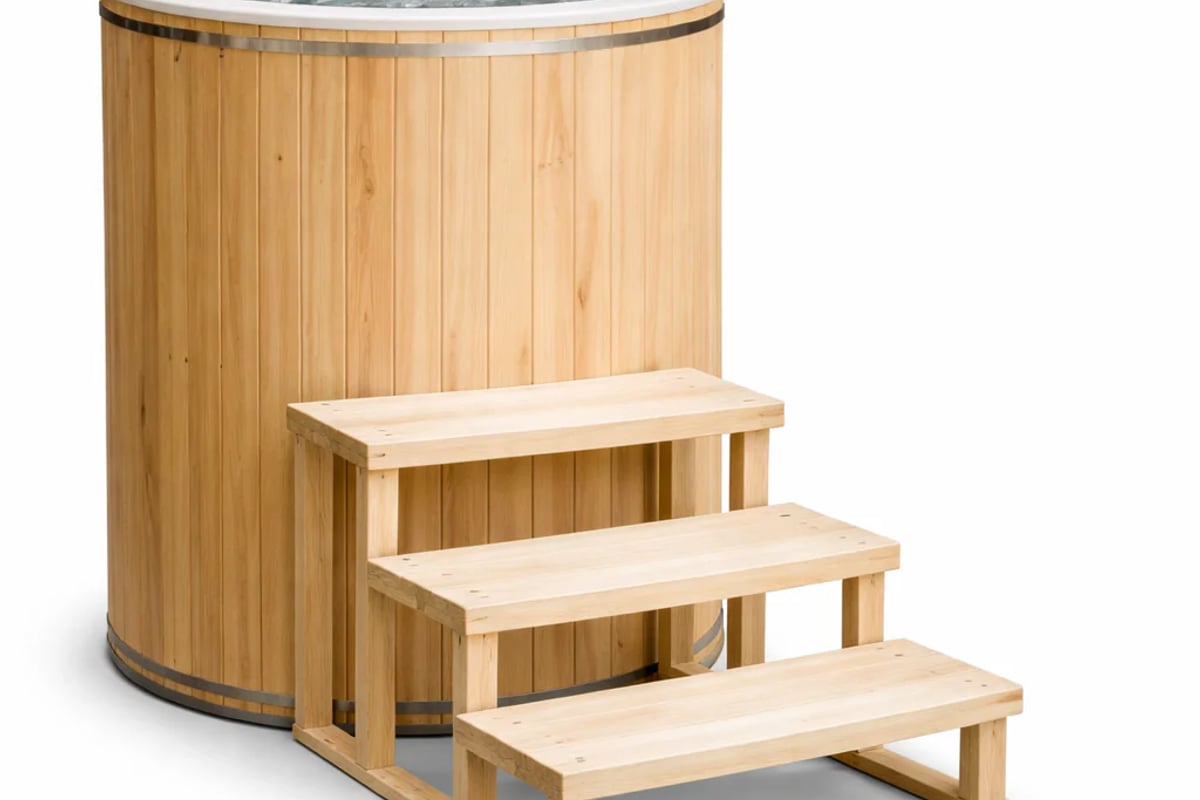
Weight when filled determines placement options. A 100-gallon plunge weighs over 800 pounds when full. Check deck load limits and ground stability before setting up.
Material Durability: Cedar, Steel, and Composite
Cold plunge materials face moisture, temperature swings, and long-term water contact. Each material trades off cost, insulation, and lifespan differently.
Cedar and Natural Wood
Eastern White Cedar and Red Cedar resist rot naturally. Wood provides passive insulation, slowing temperature rise in summer and ice melt in winter. Cedar also brings scent, though some people find it strong in an enclosed space.
Wood requires seasonal care. Annual sealing prevents drying and cracking. Metal bands need tightening as wood expands and contracts. Properly maintained, a cedar plunge lasts 15 to 20 years.
Stainless Steel
Stainless steel is inert, easy to clean, and holds temperature well with added insulation layers. It does not rot, crack, or require sealing. The surface stays smooth and resists algae buildup.
Steel conducts cold quickly, which can feel sharper than wood on initial contact. Some people prefer this. Others find it too abrupt. Steel plunges often integrate with chiller systems more cleanly due to built-in fittings and plumbing channels.
HDPE and Composite Liners
High-density polyethylene liners sit inside wood frames, combining wood's exterior warmth with plastic's water resistance. These systems avoid wood-water contact, extending structural life.
HDPE is durable and flexible. It does not crack with freeze-thaw cycling. Composite plunges are lighter than solid steel, easier to move, and simpler to drain fully.
Built-In Chillers vs. Aftermarket Systems
Electric chillers maintain set temperatures by circulating water through a cooling coil. Some plunges ship with integrated chillers. Others allow you to add third-party units.
Integrated chiller advantages:
- Pre-sized for tank volume
- No compatibility guesswork
- Warranty covers full system
- Cleaner aesthetic, fewer hoses
Aftermarket chiller considerations:
- Flexibility to upgrade or replace independently
- Often more affordable initially
- Requires sizing calculation and installation planning
Chiller capacity is measured in BTU cooling power and gallons per hour flow rate. Undersized chillers struggle in summer. Oversized units cool faster but cost more to run. A 100-gallon plunge typically needs a 1/4 to 1/2 HP chiller for daily use in temperate climates.
Cold plunges may support cardiovascular conditioning when used regularly, though responses vary widely. The consistency an electric chiller enables often matters more than the specific temperature setting.
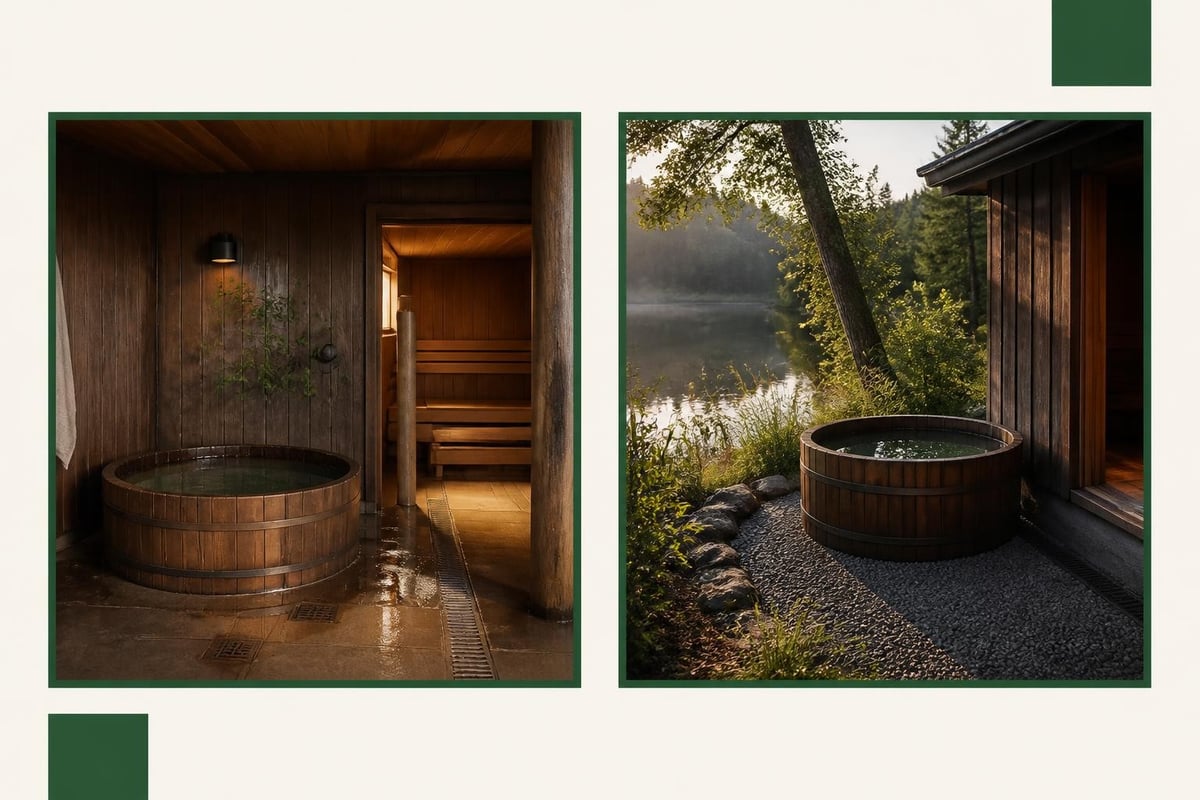
Indoor vs. Outdoor Placement
Indoor plunges offer year-round access and controlled conditions. They need proper drainage and ventilation. Water spills and humidity affect flooring and air quality. A floor drain or sump basin simplifies drainage.
Outdoor plunges handle humidity naturally but face weather exposure. Snow, rain, and sun affect both water chemistry and materials. Covered patios or pergolas extend plunge life and reduce debris in the water.
Proximity to a sauna changes the equation. Contrast therapy alternates heat and cold in repeated cycles. This works best when both are within 20 feet of each other, reducing the gap between hot exit and cold entry.
Outdoor placement checklist:
- Level ground or reinforced deck
- Electrical outlet for chiller (if used)
- Drainage path away from foundation
- Privacy screening or fence line
- Access to hose for filling
Indoor basements work well if ceiling height allows entry and exit without crowding. Concrete floors handle water weight. Some people install indoor plunges in dedicated spa rooms with tile floors and floor drains.
Cold Plunge Routine: Timing and Frequency
Most people start with 30 to 90 seconds in cold water. That feels like enough. Over weeks, tolerance builds to two or three minutes. Some extend to five or more, but there is no evidence longer is better.
Common cold plunge schedules:
- Post-workout – 10 to 15 minutes after exercise, targeting muscle recovery
- Morning activation – before coffee, for mental clarity and wakefulness
- Evening wind-down – surprisingly, cold can improve sleep onset for some people
- After sauna – traditional contrast therapy, alternating heat and cold
Neuroscientist Andrew Huberman explains cold exposure's effects on the nervous system, noting the shift in adrenaline and dopamine that many people feel. That response is real but temporary. It does not replace sleep, nutrition, or other recovery fundamentals.
Water temperature between 45°F and 55°F is common. Colder is not always better. The goal is to stay in long enough to feel the shift from discomfort to calm breathing. That point varies by person and day.
Maintenance: Water Quality and Cleaning
Manual plunges drain after each use. No filtration needed. Fresh water each time means no algae, no biofilm, no chemical balancing.
Chiller systems with standing water require attention. Chlorine or bromine keeps bacteria in check. Test strips monitor levels weekly. Water changes every four to six weeks prevent buildup.
Weekly maintenance tasks:
- Check and adjust sanitizer levels
- Rinse or replace filter cartridge
- Wipe down waterline to prevent scum
- Inspect chiller intake for debris
Stagnant cold water can harbor bacteria despite low temperature. Circulation and filtration prevent this. Some people use ozone or UV systems instead of chemicals, though these add cost and complexity.
Drain and scrub the tub monthly. Vinegar dissolves mineral deposits. A soft brush removes biofilm without scratching. Refill with fresh water and rebalance chemistry.
Costs Beyond the Plunge Itself
A manual cold plunge may cost $2,000 to $4,000 depending on size and material. Chiller systems add $1,500 to $3,500. Fully assembled units with integrated chillers range from $5,000 to $10,000 or more.
Ongoing expenses to consider:
| Expense | Manual Plunge | Electric Chiller |
|---|---|---|
| Ice (per session) | $5–$15 | $0 |
| Electricity | $0 | $30–$60/month |
| Water changes | Frequent | Every 4–6 weeks |
| Chemicals | None | $10–$20/month |
Electric chillers use 500 to 1,500 watts during active cooling. In moderate climates, expect 4 to 8 hours of daily runtime in summer, less in winter. That translates to 120 to 240 kWh per month, or $15 to $40 depending on local rates.
Ice costs vary by location. Bagged ice runs $3 to $5 per 20-pound bag. A 100-gallon plunge needs 40 to 60 pounds of ice to drop from 70°F to 50°F. Daily ice users spend more annually than chiller electricity in most cases.
Installation costs depend on placement. Outdoor setups on level ground cost little beyond delivery. Indoor plunges may require electrical work, drainage installation, or floor reinforcement. Budget $500 to $2,000 for professional installation if plumbing or electrical changes are needed.
Growing Up on Lake Saimaa
I grew up on Lake Saimaa in Eastern Finland, where the sauna was not a wellness trend but part of the week's rhythm. After heat and löyly, we walked to the lake. Winter or summer, the water was there. That shift from hot stones to cold lake taught my body a kind of reset I did not understand as a child but never forgot. Now, helping people bring that same cycle into their yards, I see the same questions I once had. What is cold enough? How long should I stay in? The answer is always the same: start simple, stay consistent, let your body learn. The best cold plunge is the one you use, not the one you research forever.
Frequently Asked Questions
How cold should a cold plunge be?
Most people use water between 45°F and 55°F. Below 40°F increases risk without added benefit for most users. Start warmer, around 55°F to 60°F, then lower temperature as tolerance builds.
Can I use a cold plunge without a sauna?
Yes. Cold plunges work independently. Many people use them after workouts or in the morning for mental clarity. Contrast therapy with a sauna adds another layer, but is not required.
How often should I change the water in a chiller plunge?
With proper filtration and sanitizer, every four to six weeks. Test water chemistry weekly. Drain sooner if water looks cloudy or smells off.
Do I need a dedicated electrical circuit for a chiller?
Most chillers run on standard 120V outlets. Check manufacturer specs. Some larger units need 240V. An electrician can confirm your setup meets requirements.
What is the difference between a cold plunge and an ice bath?
The terms overlap. Ice baths usually refer to temporary setups with added ice. Cold plunges are dedicated vessels, often with temperature control. Both achieve similar cold exposure, but plunges offer more consistent daily use.
The best cold plunge fits your space, budget, and how often you will actually use it. Start with a clear sense of whether you want manual simplicity or electric consistency, then match that to your home setup and recovery goals. Petri answers every question about cold plunges, saunas, and contrast therapy personally. Ask Petri About Your Sauna to find the right fit for your home.
Share:
Sauna Recovery: How Heat Supports Your Body After Training
Backyard Sauna Ideas: 9 Ways to Build Your Own Retreat