
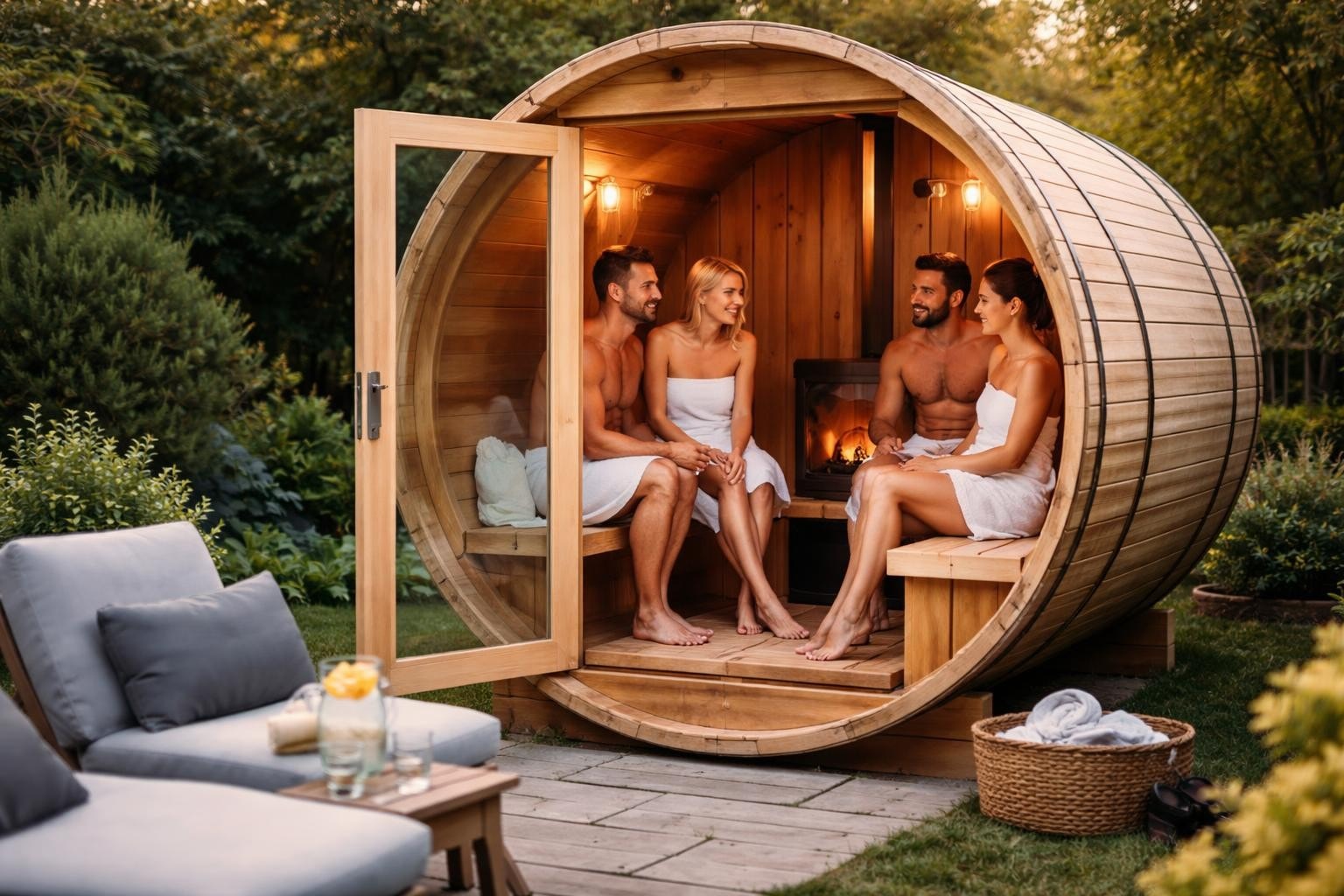
Choosing the right sauna for your backyard means finding the perfect balance between capacity, comfort, and space efficiency. A 4 person outdoor sauna represents the ideal middle ground for families, couples who entertain, and anyone who wants room to stretch out without dedicating excessive yard space to their wellness investment. These mid-sized units offer enough room for shared experiences while maintaining the intimate atmosphere that makes sauna bathing so therapeutic. Understanding your options helps ensure you select a model that fits your lifestyle, budget, and property.
Why Choose a 4 Person Outdoor Sauna
The four-person capacity hits a sweet spot in sauna design. These units provide adequate space for comfortable family sessions without the footprint demands of larger models. Most households find that a 4 person outdoor sauna accommodates their needs perfectly, whether hosting friends for wellness evenings or enjoying solo sessions with ample stretching room.
Space Efficiency and Versatility
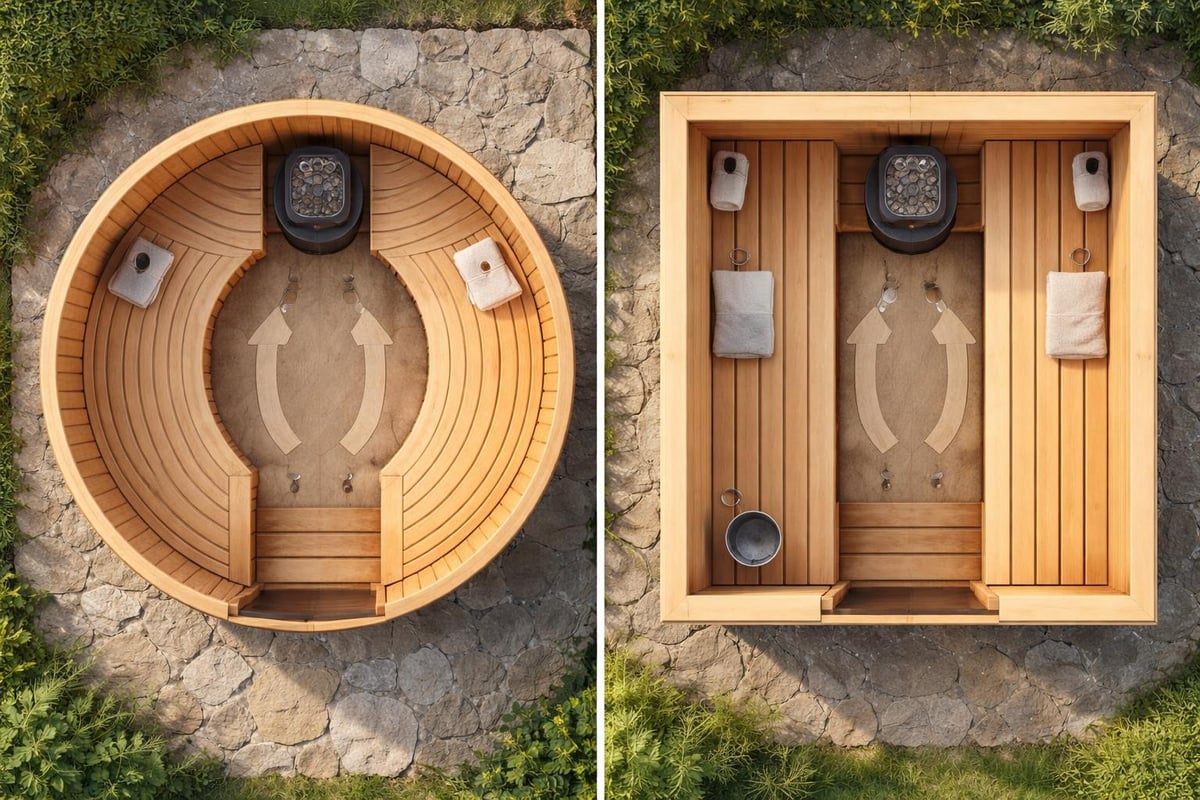
Mid-sized saunas typically measure between 6x6 feet and 7x8 feet, making them manageable for most suburban and rural properties. This footprint allows for comfortable bench configurations while leaving enough floor space for safe movement. The interior layout usually features L-shaped or parallel bench seating that maximizes usable space without creating a cramped environment.
Versatility extends beyond physical dimensions. These saunas work equally well for:
- Couples seeking extra personal space during sessions
- Small families with children who sauna together
- Homeowners who occasionally entertain guests
- Individuals who prefer room to lie down fully extended
Practical capacity planning suggests that while rated for four people, these saunas comfortably accommodate two to three adults for extended sessions. According to comprehensive sizing guides, this breathing room significantly enhances the sauna experience by reducing crowding and improving air circulation.
Heat Distribution and Energy Efficiency
Four-person models benefit from optimal heat-to-space ratios. Electric heaters in the 6-8 kW range efficiently warm these interiors to target temperatures, typically reaching 150-180°F within 30-45 minutes. Wood-fired options deliver similar performance with slightly longer preheat times but enhanced authenticity.
The contained volume means your heating system works efficiently without the energy demands of larger units. This translates to lower operating costs and faster temperature recovery between sessions. Proper insulation and quality construction amplify these benefits, making mid-sized outdoor saunas economical long-term investments.
Design Styles and Configuration Options
The market offers diverse design approaches for 4 person outdoor saunas, each with distinct aesthetic and functional characteristics. Your choice impacts not just appearance but also heat retention, maintenance requirements, and how the sauna integrates with your landscape.
Barrel Saunas
Barrel-shaped designs leverage cylindrical geometry for superior heat circulation. The rounded walls naturally guide hot air in continuous patterns, eliminating cold spots and creating exceptionally uniform temperatures. These iconic structures make bold visual statements while delivering outstanding thermal performance.
Construction typically employs tongue-and-groove stave assembly, similar to traditional barrel-making techniques. Eastern White Cedar and Nordic Spruce rank among the preferred materials for their durability and aromatic qualities. The barrel profile also sheds rain and snow efficiently, reducing moisture-related maintenance concerns.
Barrel saunas in the four-person category generally provide interior dimensions around 6-7 feet in length. While bench space differs from rectangular cabins, the layout accommodates four adults comfortably when configured with opposing or L-shaped seating.
Cabin and Pod Saunas
Traditional cabin-style saunas offer rectangular interiors with vertical walls and peaked or flat roofs. This conventional layout maximizes usable floor space and provides straightforward bench arrangements. The familiar architecture blends seamlessly with existing structures and landscape designs, making cabins popular for suburban installations.
Pod saunas represent modern interpretations of cabin design, featuring rounded corners, contemporary glass elements, and sleek profiles. These units appeal to homeowners seeking architectural distinction while maintaining practical interior dimensions. Materials range from traditional cedar to heat-treated woods that resist weathering without chemical treatments.
| Design Style | Heat Efficiency | Visual Impact | Interior Space | Maintenance |
|---|---|---|---|---|
| Barrel | Excellent | High | Moderate | Low |
| Traditional Cabin | Very Good | Moderate | Maximum | Moderate |
| Modern Pod | Very Good | High | Balanced | Low-Moderate |
Both cabin and pod configurations accommodate standard sauna heaters, lighting systems, and ventilation options. The choice often comes down to personal aesthetic preferences and how the unit will complement existing outdoor features.
Material Selection and Construction Quality
Wood selection profoundly impacts durability, maintenance requirements, and the overall sauna experience. Premium manufacturers source timber specifically for sauna applications, ensuring proper moisture content, grain stability, and resistance to temperature extremes.
Cedar Varieties
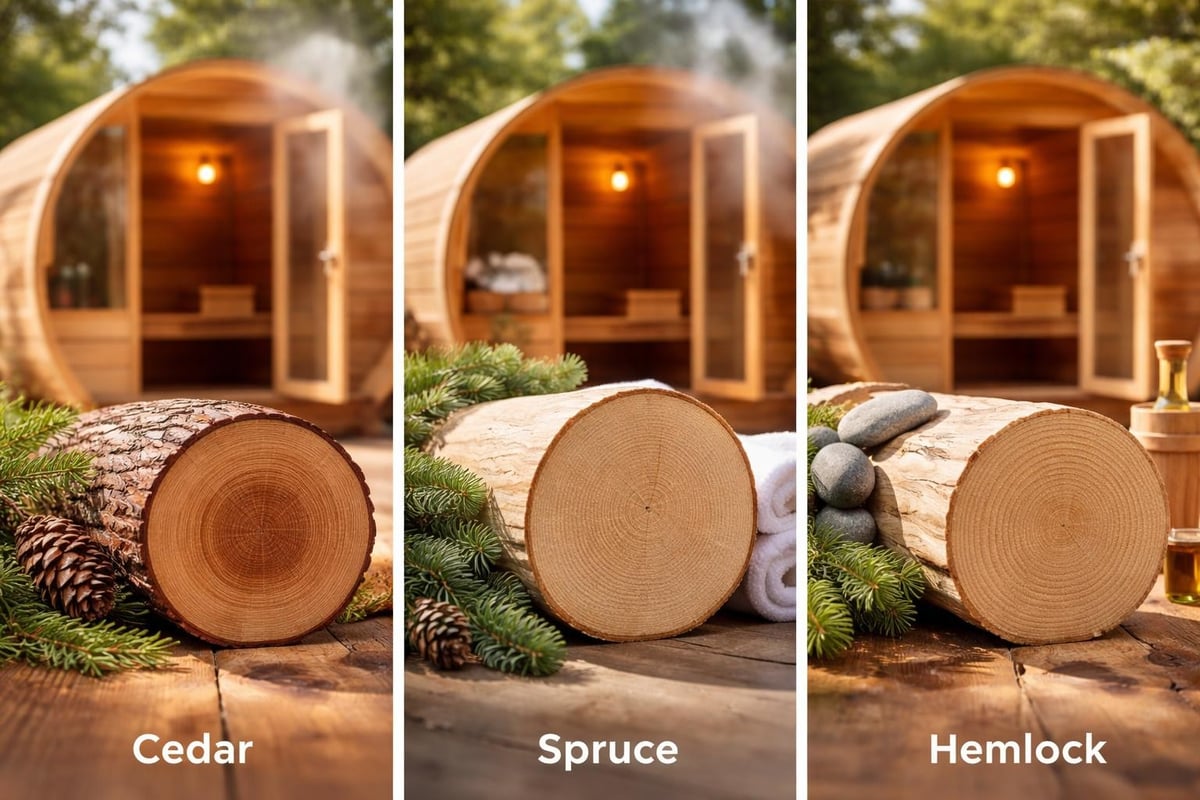
Western Red Cedar and Eastern White Cedar dominate North American sauna construction. These species contain natural oils that resist decay, repel insects, and emit pleasant aromatic compounds when heated. Cedar's low density prevents surface burning while providing excellent insulation properties.
Eastern White Cedar, commonly used in Canadian-built saunas, offers a lighter color and subtle fragrance. Its workability allows for precise joinery and smooth finishing. Western Red Cedar presents richer tones and slightly more pronounced aromatic characteristics. Both varieties age gracefully, developing attractive silver-gray patinas when left untreated outdoors.
The cellular structure of cedar creates natural insulation, helping maintain stable interior temperatures with less energy input. This efficiency becomes particularly valuable in four-person models where proper insulation directly affects operating costs and comfort levels.
Nordic Woods
European manufacturers favor Nordic Spruce and Hemlock for their fine grain and minimal resin content. These woods withstand repeated heating and cooling cycles without warping or splitting. Thermal modification processes further enhance stability by reducing moisture absorption and improving dimensional consistency.
Thermally modified woods resist weathering exceptionally well, maintaining their appearance longer than untreated alternatives. The heat treatment also darkens the wood naturally, eliminating the need for stains or finishes. For homeowners prioritizing low maintenance, thermally modified materials represent compelling choices despite higher initial costs.
Heating Systems and Technology
Heating technology fundamentally shapes the sauna experience, affecting warmth quality, installation complexity, and ongoing operational considerations. Four-person outdoor saunas accommodate all major heating approaches, each offering distinct advantages.
Electric Heaters
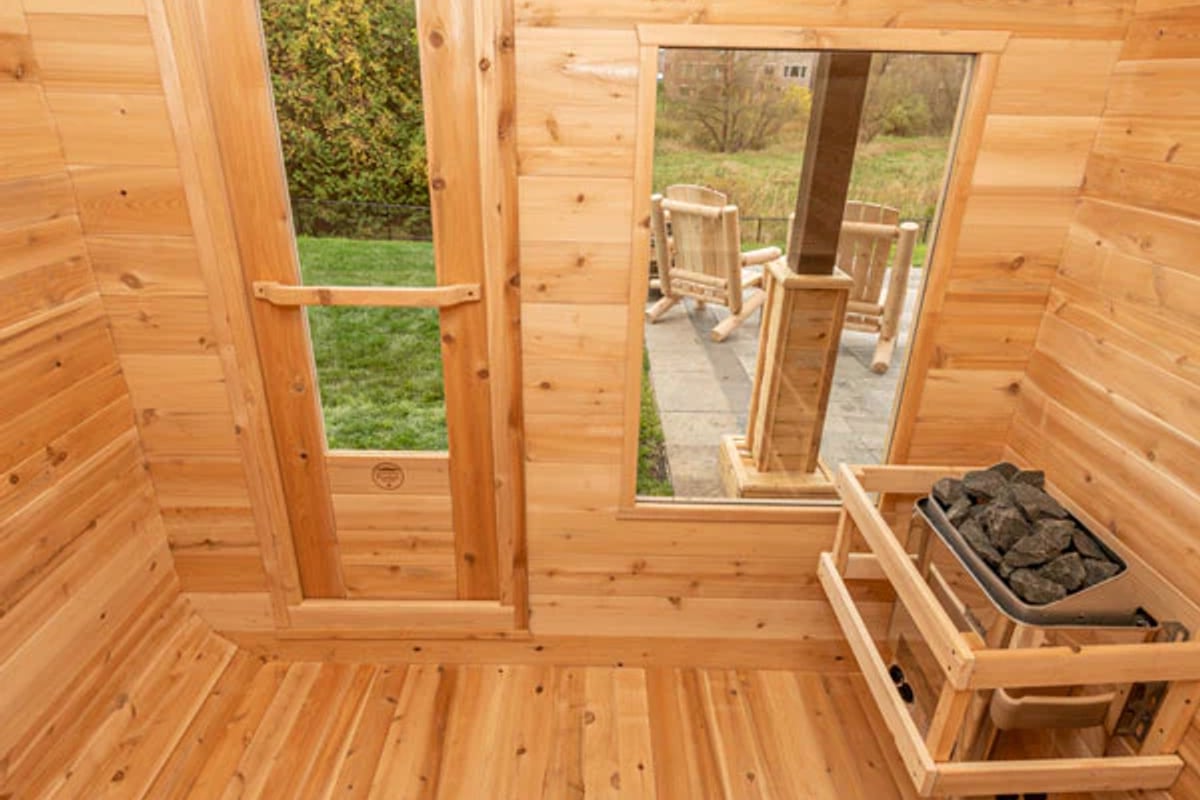
Electric systems dominate residential outdoor sauna installations due to their convenience and controllability. Modern units feature digital controls, programmable timers, and safety certifications for outdoor applications. Power requirements typically range from 6-8 kW for four-person models, translating to 240V electrical service in most cases.
Installation requires proper electrical work, including dedicated circuits and weatherproof connections. Many jurisdictions mandate licensed electrician involvement and permit processes. Professional installation ensures safety and warranty compliance while addressing code requirements specific to outdoor electrical equipment.
Temperature precision represents a key electric heater advantage. Digital thermostats maintain settings within a few degrees, creating consistent conditions session after session. Remote control options now allow preheating via smartphone apps, adding convenience for spontaneous sauna use.
Wood-Fired Options
Traditional wood-burning heaters deliver authentic sauna experiences treasured by purists. The radiant heat from wood fires creates distinct warmth characteristics that electric systems struggle to replicate. Crackling flames and wood smoke aromas enhance the ritualistic aspects of sauna bathing.
Wood-fired systems require chimney installations, proper clearances, and ongoing fuel supplies. Operating costs depend on wood availability and pricing, potentially offering savings in areas with abundant firewood. The hands-on fire management adds labor but provides satisfying engagement that many enthusiasts value.
Environmental considerations vary by region. Clean-burning modern wood stoves minimize emissions, but urban areas may restrict wood burning due to air quality regulations. Checking local ordinances before selecting wood-fired heating prevents compliance issues down the road.
Infrared Technology
Infrared saunas operate at lower temperatures (120-140°F) while delivering therapeutic benefits through radiant heat panels. These systems eliminate traditional heaters entirely, instead lining walls with carbon or ceramic emitters. Four-person infrared models consume less electricity than conventional electric saunas and require only standard 120V power.
The gentler heat suits users sensitive to high temperatures or those seeking longer, more comfortable sessions. Infrared wavelengths penetrate skin more deeply than conventional heat, promoting circulation and muscle relaxation through different mechanisms. Some research suggests enhanced detoxification benefits, though evidence remains debated within wellness communities.
Installation simplicity makes infrared attractive for DIY-inclined homeowners. Plug-and-play designs eliminate electrical upgrades in many cases. However, the experience differs markedly from traditional sauna bathing, making infrared better suited as complementary rather than equivalent options. Detailed insights into 4-person infrared saunas help clarify whether this technology aligns with your wellness goals.
Installation Considerations and Site Preparation
Proper site selection and preparation determine long-term satisfaction with your 4 person outdoor sauna. Thoughtful planning prevents drainage issues, structural problems, and accessibility challenges that compromise the investment.
Foundation Requirements
Stable, level foundations prove essential for outdoor sauna longevity. Weight distribution across four-person models demands solid support to prevent settling and structural stress. Common foundation approaches include:
- Concrete pads: Permanent, maintenance-free bases that handle any sauna weight
- Paver systems: Semi-permanent options allowing future relocation
- Gravel beds: Drainage-optimized foundations suitable for well-draining soils
- Deck mounting: Elevated installations requiring structural capacity verification
Foundation size should extend several inches beyond the sauna footprint on all sides, providing stability and splash protection. Proper slope encourages water runoff away from the structure, preventing moisture accumulation beneath the floor. According to detailed installation guides, foundation preparation represents roughly 20-30% of total installation effort but prevents 80% of potential future problems.
Utility Access and Clearances
Electric saunas need proximity to electrical service or sufficient space for conduit runs. Budget for trenching and wire costs when locating units far from service panels. Minimum clearances from combustible materials vary by model and heating system but typically require 12-24 inches on sides and rear, with greater distances for wood-fired units.
Municipal codes often dictate setbacks from property lines, structures, and overhead utilities. Permit requirements vary widely by jurisdiction, ranging from simple notifications to full plan reviews and inspections. Consulting local building departments early in the planning process prevents costly mid-project surprises.
Accessibility matters for year-round enjoyment. Locating saunas near paths allows safe winter use when snow covers yards. Proximity to changing areas or outdoor showers enhances convenience while reducing interior moisture from wet bodies entering the sauna.
Interior Features and Comfort Elements
Thoughtful interior design transforms functional saunas into true wellness retreats. Four-person models offer enough space for meaningful comfort upgrades without requiring the extensive customization of larger units.
Bench Configuration
Optimal bench layouts balance seating capacity with movement space and heat exposure options. Multi-level benches allow users to choose their preferred heat intensity, with upper levels experiencing temperatures 20-30°F higher than lower positions. This gradient lets multiple people enjoy comfortable conditions simultaneously despite different heat tolerances.
Bench depth affects both comfort and space efficiency. Deeper benches (18-20 inches) accommodate reclining positions, while shallower designs (14-16 inches) maximize floor space. The best four-person layouts combine both dimensions, offering varied seating options within the available footprint.
Ergonomic considerations include:
- Smooth, rounded edges preventing pressure points
- Proper spacing between slats for drainage and air circulation
- Heat-resistant wood species that remain comfortable against bare skin
- Backrest options for supported sitting positions
Lighting and Ventilation
LED lighting systems designed for sauna environments provide ambiance while withstanding temperature extremes and humidity. Chromotherapy options introduce colored lighting sequences some users find enhance relaxation. Dimmable controls allow adjustment from functional brightness for safe movement to subdued levels for meditation and unwinding.
Proper ventilation maintains fresh air without creating uncomfortable drafts. Adjustable vents near floor level introduce cool air while ceiling or upper-wall vents exhaust heated air, establishing circulation patterns that prevent stuffiness. This airflow also manages humidity levels, particularly important in outdoor settings where moisture infiltration poses greater challenges than indoor installations.
Windows and Glass Elements
Tempered glass doors and windows serve multiple purposes beyond aesthetics. Natural light reduces claustrophobia concerns for some users while connecting the interior with outdoor surroundings. Privacy glass options balance openness with discretion, allowing light transmission while obscuring interior views.
Glass elements require careful sizing and installation to maintain energy efficiency. Modern double-pane designs insulate nearly as well as solid walls while providing visual appeal. Some manufacturers offer photochromic glass that darkens when heated, automatically adjusting privacy levels during use.
Maintenance and Seasonal Care
Outdoor saunas face weather exposure that indoor units avoid, making proactive maintenance crucial for longevity. Four-person models balance manageable maintenance demands with durability when properly cared for.
Regular Cleaning Protocols
Interior cleaning focuses on preventing bacterial growth and preserving wood quality. Simple procedures include:
- Wipe benches after each use with clean towels to remove perspiration
- Sweep or vacuum weekly to remove debris and lint
- Deep clean monthly with mild, sauna-approved cleaners
- Sanitize quarterly using hydrogen peroxide or specialized products
- Inspect annually for wear, damage, or needed repairs
Avoid harsh chemicals, bleach-based cleaners, and excessive water that saturates wood. Proper cleaning maintains hygienic conditions and preserves the pleasant wood aroma that chemical residues can overpower.
Exterior Protection
Weatherproofing strategies extend outdoor sauna lifespan significantly. Natural cedar weathers gracefully without treatment, but protective finishes accelerate aging and maintain original coloring. UV-resistant, breathable sealers designed specifically for sauna applications protect while allowing moisture vapor transmission.
Seasonal considerations include:
| Season | Maintenance Tasks | Focus Areas |
|---|---|---|
| Spring | Inspect roof, clean gutters, check seals | Water damage prevention |
| Summer | Reapply protective finishes, verify ventilation | UV protection, airflow |
| Fall | Clear debris, inspect foundation drainage | Moisture management |
| Winter | Monitor snow loads, check door seals | Structural integrity, heat retention |
Foundation drainage deserves particular attention. Standing water accelerates rot and attracts pests. Ensuring proper slope and clearing drain paths prevents most moisture-related deterioration.
Cost Factors and Value Considerations
Understanding the financial aspects of 4 person outdoor sauna ownership helps set realistic budgets and expectations. Total investment extends beyond purchase price to include installation, operation, and maintenance costs.
Initial Investment Ranges
Quality four-person outdoor saunas span wide price ranges based on materials, construction methods, and included features:
- Entry-level kits: $3,000-$5,000 for basic cabin designs with manual controls
- Mid-range models: $5,000-$8,000 featuring quality cedar, digital controls, and lighting
- Premium units: $8,000-$15,000 with superior craftsmanship, luxury features, and extended warranties
- Custom builds: $15,000+ for architect-designed, fully customized installations
Kit pricing typically excludes foundation preparation, electrical work, and delivery fees. Professional installation adds $1,500-$3,500 depending on complexity and regional labor rates. Total project costs realistically run 25-40% above base sauna pricing when all factors are included.
For homeowners ready to invest in premium outdoor wellness, models like the Canadian Timber Luna Sauna exemplify how modern design and traditional materials create striking backyard focal points. Its Eastern White Cedar construction and contemporary styling demonstrate the quality available from established North American manufacturers.
Operating Costs
Electricity represents the primary ongoing expense for electric saunas. A 6 kW heater running 45 minutes for preheating plus 60 minutes of bathing consumes roughly 6.5 kWh per session. At national average electricity rates of $0.14 per kWh, this translates to about $0.90 per use, or $30-$45 monthly for families averaging 4-5 weekly sessions.
Wood-fired operating costs depend entirely on fuel sourcing. Homeowners with free or low-cost firewood access enjoy minimal expenses, while those purchasing premium kiln-dried hardwood may spend $20-$40 monthly. Seasoned wood burns cleaner and hotter than green lumber, making quality fuel worthwhile despite higher costs.
Maintenance expenses remain modest with proper care. Annual costs typically include:
- Cleaning supplies and sanitizers: $30-$50
- Exterior protective treatments: $40-$80 (every 2-3 years)
- Heater rock replacement: $20-$40 (every 3-5 years)
- Minor repairs and replacements: $50-$100 average
Selecting the Right Model for Your Needs
Matching sauna specifications to your specific requirements ensures long-term satisfaction. Four-person capacity provides flexibility, but other factors significantly impact daily enjoyment and practical utility.
Usage Pattern Assessment
Honest evaluation of how you'll actually use the sauna guides smart selection. Consider frequency, typical group size, and session preferences. Daily users prioritize convenience features like quick heating and simple controls, while weekend bathers may emphasize aesthetics and social capacity.
Question prompts include:
- Will sessions typically include 1-2 people or regularly accommodate larger groups?
- Do you prefer high heat and short sessions or moderate temperatures with longer relaxation?
- Is traditional dry heat important, or would infrared technology serve your wellness goals?
- How important are entertainment features versus basic functionality?
Answers reveal whether to prioritize heating power, interior space, technology integration, or design elements. Comprehensive reviews like those found in 4-person sauna buyer's guides help compare specific models against your criteria.
Brand and Warranty Considerations
Manufacturer reputation and support infrastructure matter significantly for outdoor installations. Established brands offer proven designs, readily available replacement parts, and responsive customer service when issues arise. Warranty coverage should include both structural components (5-10 years typical) and electrical systems (1-3 years).
Reading customer reviews reveals real-world performance beyond marketing claims. Pay particular attention to:
- Actual assembly difficulty and time requirements
- Temperature performance in various climates
- Manufacturer responsiveness to warranty claims
- Long-term durability reports from multi-year owners
North American manufacturers like those featured at RecoSauna typically provide superior support compared to imported alternatives, with easier communication, faster parts delivery, and better familiarity with regional building codes and climate conditions.
Site-Specific Factors
Property characteristics influence which sauna designs work best. Sloped yards may favor barrel designs that establish level interiors more easily than rectangular cabins. Limited space makes compact pods attractive, while expansive properties can accommodate dramatic architectural statements.
Climate considerations include:
- Cold regions: Prioritize superior insulation, weatherproof construction, and efficient heating
- Hot climates: Emphasize ventilation, shade compatibility, and cooling-down spaces
- Humid areas: Select rot-resistant woods and designs promoting drainage
- Windy locations: Choose low-profile designs and robust anchoring systems
Visual integration with existing structures guides style selection. Modern homes pair well with contemporary pod designs, while traditional architecture harmonizes with classic cabin saunas. Barrel designs offer universal appeal that complements most settings. Detailed perspectives on outdoor sauna sizing and placement provide valuable planning insights.
Assembly and Professional Installation Options
Most four-person outdoor saunas arrive as kit packages requiring assembly. Understanding involvement levels helps you decide between DIY installation and professional services.
DIY Assembly Considerations
Manufacturers design sauna kits for homeowner assembly, but projects vary considerably in complexity. Pre-cut, pre-drilled components with detailed instructions make some models approachable for moderately skilled DIYers. Others demand carpentry experience, specialized tools, and multiple helpers.
Realistic assessment of your capabilities prevents frustration. Skills needed include:
- Reading and interpreting technical assembly diagrams
- Precise measuring and leveling
- Basic carpentry and fastener installation
- Electrical work (if certified) or contractor coordination
- Problem-solving when components don't align perfectly
Time investments range from 8-16 hours for straightforward barrel designs to 20-40 hours for complex cabin builds. Video resources like visual assembly guides demonstrate processes and reveal potential challenges before purchase.
Professional Installation Benefits
Hiring experienced installers eliminates assembly stress and ensures proper construction. Professionals complete projects faster, handle unexpected issues efficiently, and typically guarantee their workmanship. Licensed contractors also navigate permitting processes and coordinate electrical connections with certified electricians.
Cost-benefit analysis favors professional installation when:
- You lack necessary tools or experience
- Time constraints make extended DIY projects impractical
- Warranty terms require certified installation
- Local codes mandate professional construction
- Complex electrical or gas connections are involved
Quality installers often identify site-specific optimization opportunities that inexperienced builders overlook, potentially improving long-term performance and satisfaction.
Enhancing Your Sauna Experience
Strategic additions transform basic saunas into complete wellness environments. Four-person outdoor models accommodate various accessories and complementary features that elevate every session.
Accessory Recommendations
Essential additions include:
- Thermometer and hygrometer: Accurate temperature and humidity monitoring for optimal conditions
- Bucket and ladle: Traditional water application to sauna rocks creates pleasant steam bursts
- Backrests: Ergonomic support for comfortable extended sessions
- Headrests: Allow fully reclined relaxation on upper benches
- Sand timers: Visual session tracking without electromagnetic interference
Luxury upgrades introduce additional comfort and entertainment:
- Bluetooth sound systems: Moisture-resistant speakers for music and podcasts
- Chromotherapy lighting: Colored light sequences for enhanced relaxation
- Aromatherapy diffusers: Safe introduction of essential oil scents
- Drink holders: Secure beverage placement for hydration access
Complementary Outdoor Features
Creating a complete wellness zone amplifies sauna benefits through temperature contrast and recovery spaces. Cold plunge pools or outdoor showers provide invigorating cooldown options that traditional Scandinavian sauna culture emphasizes. The hot-cold cycle stimulates circulation, enhances immune response, and intensifies the relaxation that follows.
Comfortable gathering spaces near the sauna encourage social interaction and gradual cooling between rounds. Simple benches, shade structures, or pergolas create inviting transition areas. Landscaping with privacy screening ensures comfort during outdoor cooling while adding aesthetic value to your property.
Exploring RecoSauna's full outdoor sauna collection reveals how different models integrate with various outdoor living concepts, from minimalist modern designs to traditional wellness retreats.
Safety Guidelines and Best Practices
Responsible sauna use maximizes health benefits while preventing accidents and injuries. Understanding safety protocols proves especially important for outdoor installations where environmental factors introduce additional considerations.
Temperature and Session Management
While enthusiasts may tolerate 180-200°F, most users find 150-175°F provides optimal comfort and safety. Beginning at lower temperatures and gradually increasing heat tolerance prevents overexposure. Session durations typically range from 10-20 minutes, with multiple rounds separated by cooling periods.
Warning signs of excessive heat exposure include:
- Dizziness or lightheadedness
- Nausea or discomfort
- Rapid heartbeat beyond normal elevation
- Confusion or disorientation
Exiting immediately when these symptoms appear prevents more serious heat-related illness. Adequate hydration before, during breaks, and after sessions supports healthy thermoregulation.
Electrical and Fire Safety
Outdoor electrical installations require weatherproof components, GFCI protection, and compliance with National Electrical Code standards. Amateur electrical work poses serious shock and fire risks. Always employ licensed electricians for sauna power connections.
Wood-fired sauna safety demands:
- Proper clearances from combustible materials
- Approved chimney installations with spark arrestors
- Fire extinguisher availability near the sauna
- Complete fire extinguishment before leaving the sauna unattended
- Regular chimney cleaning to prevent creosote buildup
Never use saunas while impaired by alcohol or drugs. Judgment impairment increases accident risk and dangerous heat exposure. Pregnant women, individuals with cardiovascular conditions, and people taking certain medications should consult physicians before sauna use.
Selecting a 4 person outdoor sauna requires balancing capacity needs, design preferences, heating technology, and budget considerations to create the perfect backyard wellness retreat. Whether you prioritize traditional wood-fired authenticity, modern electric convenience, or therapeutic infrared technology, the right model transforms your property into a personal health sanctuary. RecoSauna offers premium outdoor sauna options from leading North American manufacturers, providing the quality craftsmanship and expert support needed to make your backyard wellness vision a reality.
Share:
2 Person Infrared Sauna: Complete 2026 Buying Guide
Sauna Outdoor Barrel: Complete Guide for 2026